Convert
ILS to USDT Instantly
Israeli New Shekel to Tether (AVAC) at the real-time exchange rate


Purchase USDT (AVAC) with Israeli New Shekel (ILS) easily at Switchere and benefit from fast, secure transactions.
About
USDT (AVAC)
Monitoring the USDT to ILS rate is crucial for Israeli users bridging local fiat to the decentralized finance ecosystem. The exchange rate on an ILS to USDT converter fluctuates based on global liquidity, the broader strength of the Israeli New Shekel, and real-time market demand across exchanges. By choosing to buy USDT with ILS directly on the Avalanche network, users benefit from a leading stablecoin pegged to the US dollar but operating with exceptionally high throughput.
When utilizing a compliant fiat on-ramp in Israel, typical payment methods include local bank transfers, major credit cards, or popular digital wallets like Bit, all subject to standard KYC/AML regulatory compliance. Converting your Shekels seamlessly to this Avalanche-based digital asset requires providing a fully compatible C-Chain wallet address for precise routing.
Receiving your newly converted tokens involves minimal Avalanche network fees compared to legacy blockchains, alongside near-instant transaction confirmation times. Ultimately, this specific fiat-crypto pair is highly favored by Israeli residents looking for fast, cost-effective cross-border settlements or immediate, friction-free access to Avalanche’s rich DeFi protocols without exposing their broader portfolio to unpredictable crypto market price swings.

How to Buy USDT (AVAC)
 Step-by-step guidance
 Easy credit card payments
 Streamlined purchase process
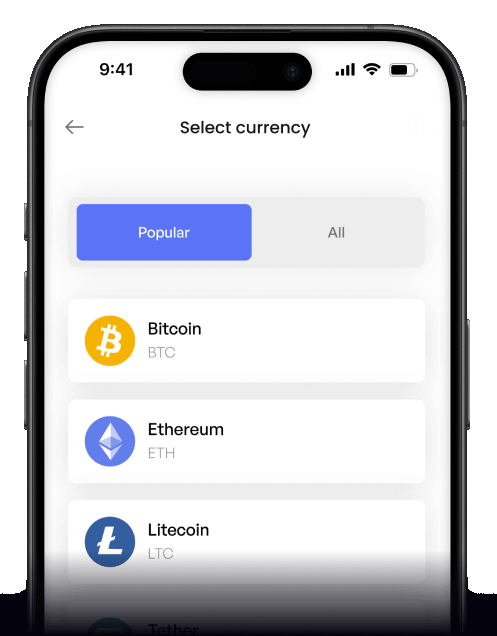
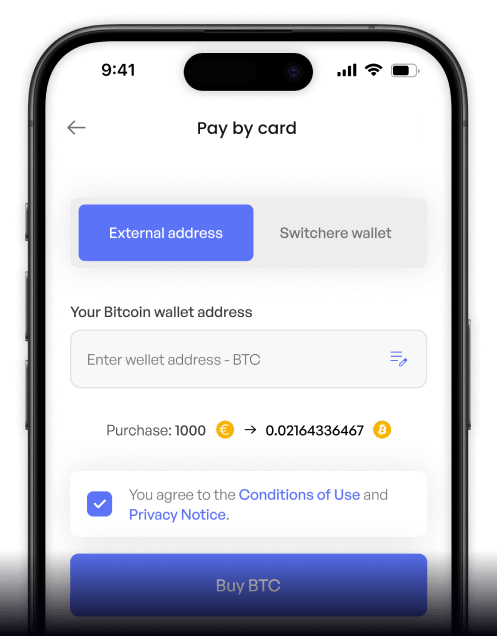
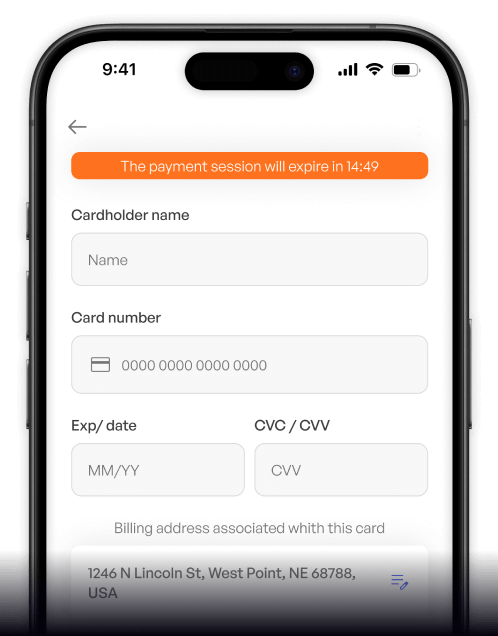
 Web
Popular Coins for Israeli New Shekel (ILS)


Other Coins for Israeli New Shekel (ILS)


Frequently asked questions
-
What is the ILS to USDT (AVAC) trading pair and why is it used as a fiat on-ramp?
The ILS/USDT (AVAC) pair represents the exchange of Israeli New Shekels for Tether (USDT) minted on the Avalanche C-Chain. Utilizing this fiat gateway allows users to convert local currency directly into a fiat-collateralized stablecoin. The Avalanche network offers EVM compatibility, sub-second finality, and significantly lower transaction fees compared to traditional Layer 1 networks, making it a highly efficient entry point into decentralized finance (DeFi). -
What are the most common payment methods to purchase USDT on the Avalanche network using Israeli New Shekels (ILS)?
Users typically fund their cryptocurrency exchange accounts using standard local payment methods. The most cost-effective routes include domestic Israeli bank transfers, which often process quickly during business hours. Alternatively, credit and debit card purchases in Israel provide instant liquidity for acquiring digital assets, though they may carry higher fiat-to-crypto conversion fees on the order book. -
Which digital wallet should I use to securely store my Avalanche-based USDT after purchasing with ILS?
To store USDT (AVAC), you must use an EVM-compatible digital wallet that supports the Avalanche C-Chain, such as MetaMask, Core Wallet, or Trust Wallet. After completing your ILS purchase and KYC/AML compliance on a centralized exchange, withdraw your stablecoins by selecting the AVAX C-Chain network. Ensure you have a small amount of native AVAX in your wallet to cover future gas fees for smart contract execution. -
How do transaction speeds and network fees for USDT (AVAC) compare to other blockchain networks when transacting from ILS?
Once the initial ILS fiat conversion clears, moving USDT on the Avalanche C-Chain is exceptionally fast and cost-effective. Avalanche's consensus mechanism provides high throughput and near-instant transaction finality. Consequently, the gas fees for transferring stablecoins or interacting with dApps are fractions of a cent, avoiding the network congestion and high costs often associated with older smart contract platforms. -
What are the primary use cases for USDT on Avalanche once converted from ILS?
Converting ILS to Avalanche-native USDT unlocks immediate access to the broader Avalanche DeFi ecosystem. Traders use this stable liquidity to participate in decentralized exchanges (DEXs), yield farming protocols, and lending platforms across the C-Chain. Furthermore, because USDT is pegged to the US Dollar, it serves as a secure store of value and a stable base asset for trading volume against volatile altcoins without off-ramping back to fiat.

Buy on the go
Anywhere. Anytime.
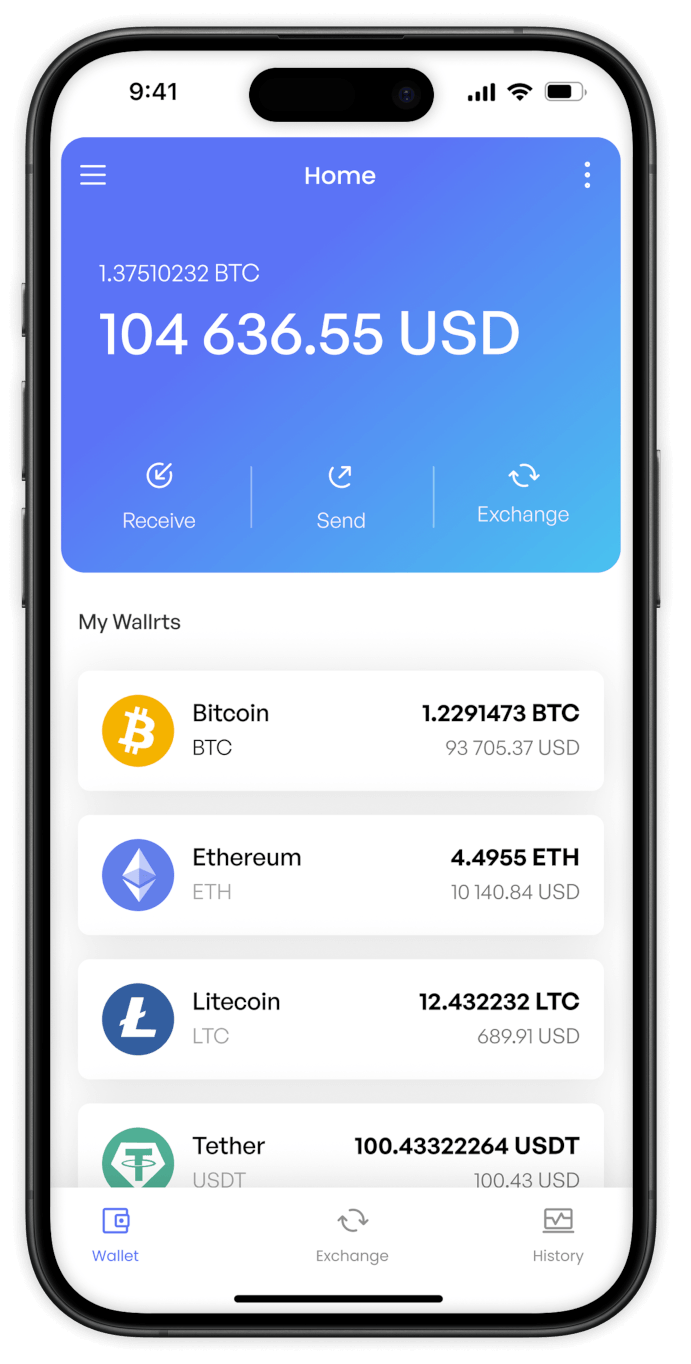
Buy crypto with your credit card from anywhere. Live rates, transparent fees, and 3D Secure on every order - the full Switchere card-buy experience in your pocket.



Scan to download the app iOS and Android