Convert
ILS to USDT Instantly
Israeli New Shekel to Tether (FA2) at the real-time exchange rate


Purchase USDT (FA2) with Israeli New Shekel (ILS) easily at Switchere and benefit from fast, secure transactions.
About
USDT (FA2)
Using an ILS to USDT converter allows users holding Israeli New Shekels to transition seamlessly into the stablecoin ecosystem on the Tezos blockchain. The USDT to ILS rate is primarily influenced by the stability of the US Dollar peg against the fluctuating exchange rate of the Shekel in global forex markets, alongside the specific liquidity of this fiat-crypto pair.
To securely buy USDT with ILS, users typically utilize a fiat on-ramp supporting credit card payments, debit cards, or international wire transfers, adhering to standard KYC and AML regulations. When initiating these transactions, processing fees and the current fiat exchange rate play a vital role in the final amount received.
Tether (USDT) operates as a leading fiat-collateralized stablecoin, and acquiring it as an FA2 token leverages the Tezos network's efficiency. This specific token standard ensures users benefit from extremely low network fees and rapid transaction confirmation times. Before executing the trade, it is crucial to verify that your receiving wallet address explicitly supports the Tezos FA2 token standard to ensure a safe and successful transfer of your digital assets.

How to Buy USDT (FA2)
 Step-by-step guidance
 Easy credit card payments
 Streamlined purchase process
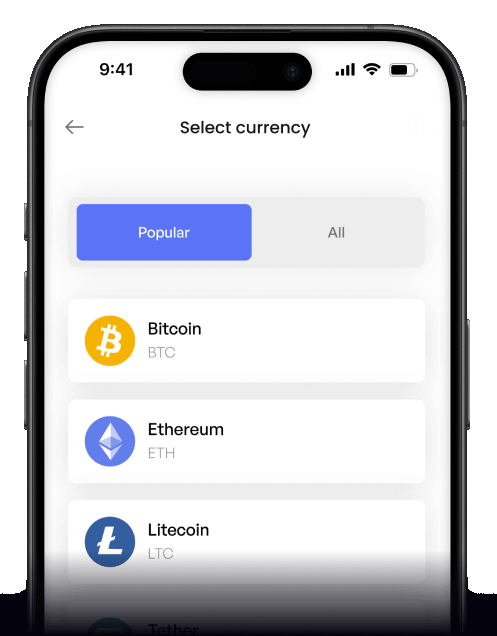
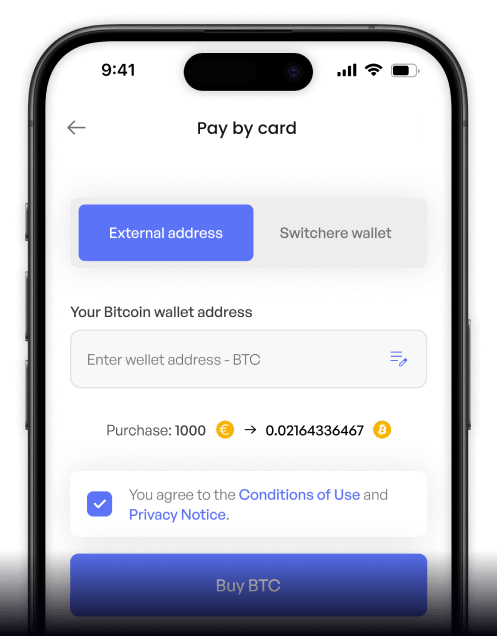
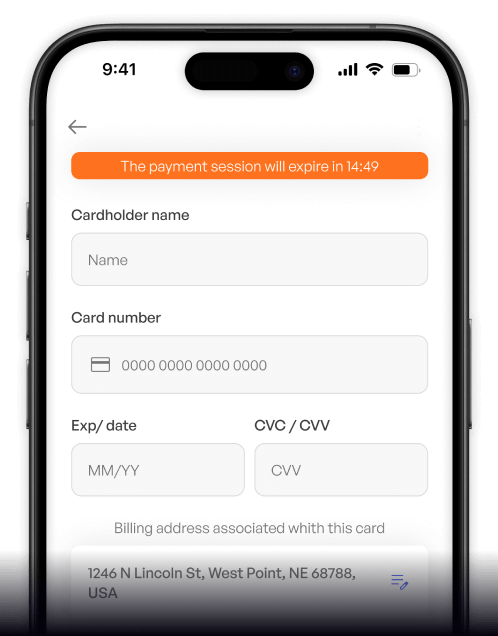
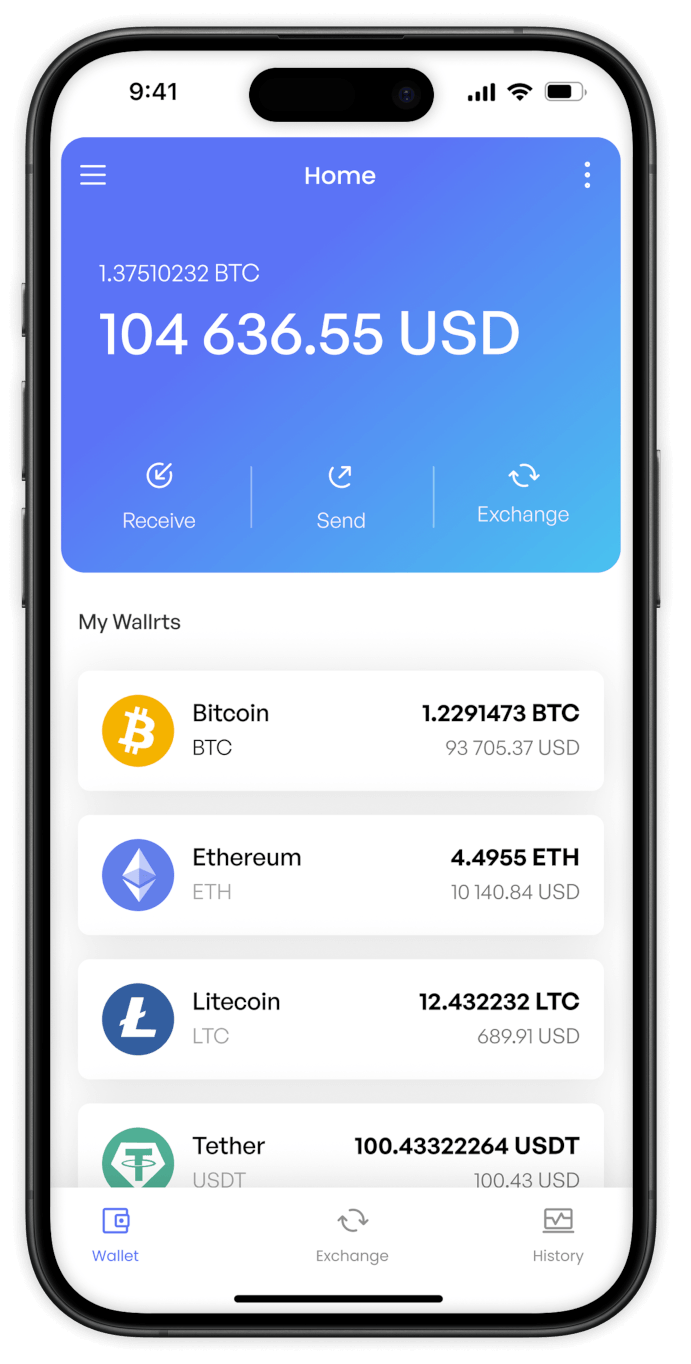
 Web
Popular Coins for Israeli New Shekel (ILS)


Other Coins for Israeli New Shekel (ILS)


Frequently asked questions
-
How can I buy FA2-based USDT using Israeli New Shekel (ILS)?
To purchase USDT minted on the Tezos FA2 token standard using ILS, you typically need to use a localized cryptocurrency exchange or a fiat on-ramp that supports both the Israeli New Shekel and the Tezos ecosystem. Users can initiate a fiat deposit via standard Israeli bank transfers or credit cards. Once the ILS is credited to your digital wallet on the trading platform, you can execute a market or limit order to swap your fiat currency directly for the Tether stablecoin. -
What is the advantage of trading the ILS/USDT pair on the Tezos network?
Trading ILS for FA2 USDT leverages the underlying Tezos blockchain, which operates on a highly efficient Liquid Proof-of-Stake (LPoS) consensus mechanism. This means your blockchain transactions benefit from significantly lower network fees and faster settlement times compared to legacy smart contract platforms. Furthermore, interacting with the FA2 standard provides enhanced security and seamless integration with Tezos-based decentralized applications (dApps) and DeFi protocols. -
Are there specific KYC requirements when converting ILS to USDT?
Yes, when utilizing a fiat gateway to convert Israeli New Shekels into a digital asset like USDT, strict Know Your Customer (KYC) and Anti-Money Laundering (AML) compliance is mandatory. Regulated exchanges operating in Israel require identity verification, which usually involves submitting government-issued ID and proof of address before you can access liquidity pools or place orders on the order book. -
Which digital wallets support USDT as a Tezos FA2 token?
Since this specific USDT variant is built on the FA2 standard, you must store it in a compatible Tezos wallet rather than an ERC-20 or TRC-20 wallet. Popular non-custodial options include Temple Wallet and Kukai. These secure digital wallets allow you to manage your stablecoin holdings, interact directly with Michelson-based smart contracts, and easily connect to decentralized exchanges within the Tezos ecosystem after executing your ILS fiat on-ramp transaction. -
What are the typical fees associated with the ILS to FA2 USDT transaction?
The total cost involves two components: the fiat gateway fee and the blockchain transaction fee. Depositing ILS via domestic wire transfer is often low-cost, while credit card purchases may incur higher percentage-based fees from the payment processor. The subsequent on-chain transfer of the FA2 token is extremely cost-effective, typically costing fractions of a cent due to the optimized gas fees inherent to the Tezos network architecture.

Buy on the go
Anywhere. Anytime.
Buy crypto with your credit card from anywhere. Live rates, transparent fees, and 3D Secure on every order - the full Switchere card-buy experience in your pocket.



Scan to download the app iOS and Android