Convert
Danish Krone (DKK) to Celsius (CEL) Instantly
Purchase Celsius (CEL) with Danish Krone (DKK) easily at Switchere and benefit from fast, secure transactions.
About
Celsius (CEL)
Celsius Network, with its native CEL token, emerged as a major centralized finance (CeFi) platform designed to bridge the gap between traditional banking and the world of digital assets. Its primary function was to offer users the ability to earn yield on their cryptocurrency holdings and to take out crypto-collateralized loans. The platform operated on a custodial basis, managing user funds to generate interest income through lending activities to institutional borrowers. This model positioned it as a user-friendly alternative for crypto holders seeking to put their assets to work without navigating complex DeFi protocols.
The CEL token was the core of its loyalty and rewards system. As a utility token, holding and using CEL provided tangible benefits within the Celsius ecosystem, such as preferential interest rates for both earning and borrowing. Users could receive higher yields on their deposited assets and lower rates on loans, with rewards often distributed weekly in the form of CEL. This tokenomics structure was designed to incentivize user loyalty and drive demand for the native asset. However, the platform faced significant operational challenges and market pressures, which ultimately led to a Chapter 11 bankruptcy filing, profoundly impacting its users and reshaping the narrative around risk in the CeFi lending industry.
How to Buy Celsius (CEL)
Popular Coins for Danish Krone (DKK)
Other Coins for Danish Krone (DKK)
Frequently asked questions
-
What are the common methods to buy Celsius (CEL) with Danish Krone (DKK)?
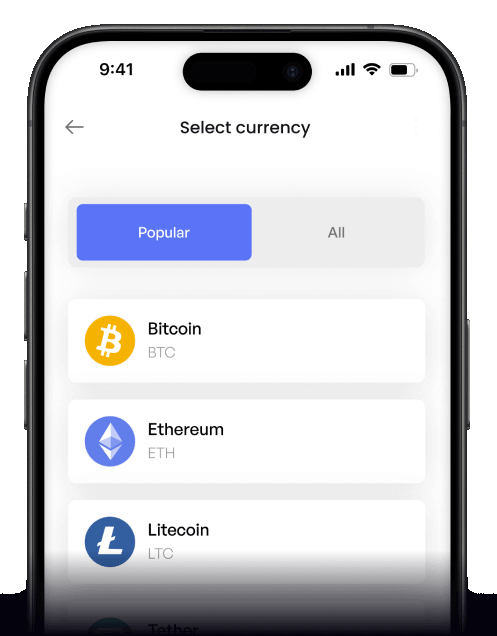
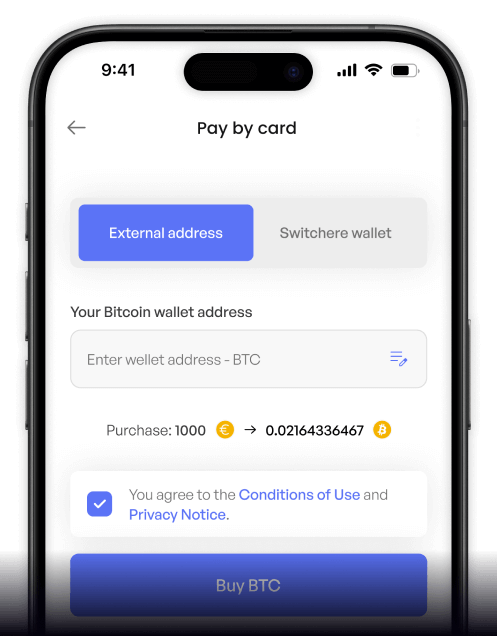
Buying CEL directly with DKK is rare. Typically, the process involves using a fiat on-ramp exchange that accepts DKK deposits via SEPA transfer or debit/credit card to buy a major cryptocurrency like Bitcoin or Ethereum. Afterwards, you would transfer that digital asset to an exchange where the CEL token is listed and trade it. However, due to the Celsius Network's Chapter 11 bankruptcy, trading CEL is extremely high-risk and many exchanges have delisted the token. -
What was the original utility of the CEL token in the Celsius Network ecosystem?
The CEL token was an ERC-20 utility token integral to the Celsius crypto lending platform. Its primary utility was to provide users with enhanced benefits. By holding CEL and choosing to earn interest in CEL, users could receive higher yield rates on their deposited digital assets and get discounts on loan interest payments. It functioned as a loyalty token designed to incentivize participation within the platform's earn and borrow services. -
Why is the DKK/CEL trading pair considered a high-risk digital asset transaction?
The primary reason is the insolvency and Chapter 11 bankruptcy filing of its parent company, Celsius Network. This event effectively stripped the CEL token of its core utility, as the platform's earn and loan services ceased. Consequently, any trading of CEL is purely speculative, driven by market sentiment around the bankruptcy proceedings rather than any fundamental value or utility. The risk of further price collapse and delistings from exchanges is exceptionally high. -
What type of digital wallet is needed to securely store CEL tokens outside of an exchange?
Since CEL is an ERC-20 token built on the Ethereum blockchain, you need a digital wallet that supports Ethereum and ERC-20 tokens. For maximum security and self-custody, a hardware wallet is highly recommended. Alternatively, a non-custodial software wallet (mobile or desktop) that gives you control over your private keys can also be used. Storing assets in a personal digital wallet is crucial, especially given the Celsius platform's failure, which highlighted the risks of not controlling your own keys. -
Are there specific KYC/AML regulations to consider when using Danish Krone for crypto purchases?
Yes, any cryptocurrency exchange or fiat gateway operating in Denmark or serving Danish customers must comply with EU Anti-Money Laundering Directives (AMLD) and Danish financial regulations. This requires mandatory Know Your Customer (KYC) and Anti-Money Laundering (AML) checks. Users must verify their identity by providing official documents before they can deposit DKK via methods like SEPA transfer or use a Dankort for a digital asset purchase.