Convert
Danish Krone (DKK) to Standard (STND) Instantly
Purchase Standard (STND) with Danish Krone (DKK) easily at Switchere and benefit from fast, secure transactions.
About
Standard (STND)
Standard Protocol (STND) is a decentralized finance (DeFi) protocol built on blockchain technology, designed to establish a new paradigm for collateralized stablecoins. Its primary objective is to create a highly stable and capital-efficient ecosystem where users can leverage a diverse range of tokenized assets. The protocol addresses the need for a more flexible stablecoin issuance model by allowing various forms of on-chain collateral, bridging the gap between traditional digital assets and potential future real-world assets within the Web3 infrastructure.
The core of the protocol operates through a system of multi-collateral vaults, governed by smart contracts. Users can deposit accepted digital assets, such as cryptocurrencies or LP tokens, into these vaults to mint the protocol's native stablecoins, like S-Euro. This process relies on a robust over-collateralization mechanism to ensure the stablecoin's peg and the overall security of the decentralized network. This architecture provides a permissionless platform for lending and borrowing, with an automated liquidation system to maintain protocol solvency and manage risk across its digital ledger.
The STND token is the native utility and governance token of the Standard Protocol. As a governance token, STND empowers holders to participate in on-chain decision-making, voting on key parameters like collateral types, stability fees, and system upgrades. Furthermore, the tokenomics are designed for staking, where users can lock their STND to receive a share of the protocol fees, aligning holder incentives with the long-term health and growth of the DeFi application. This dual function makes STND integral to both the operation and strategic direction of the platform.
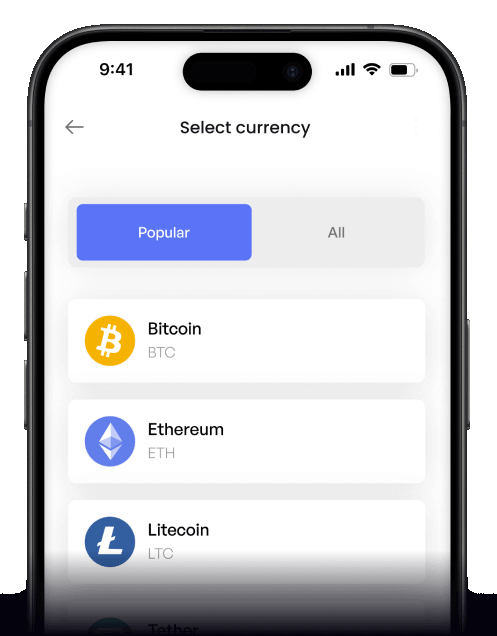
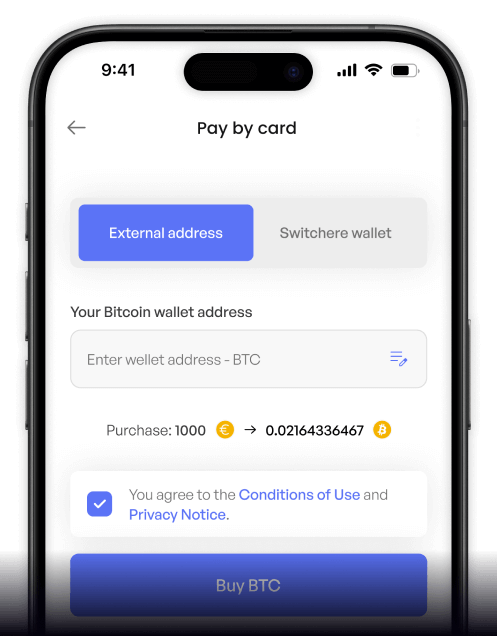
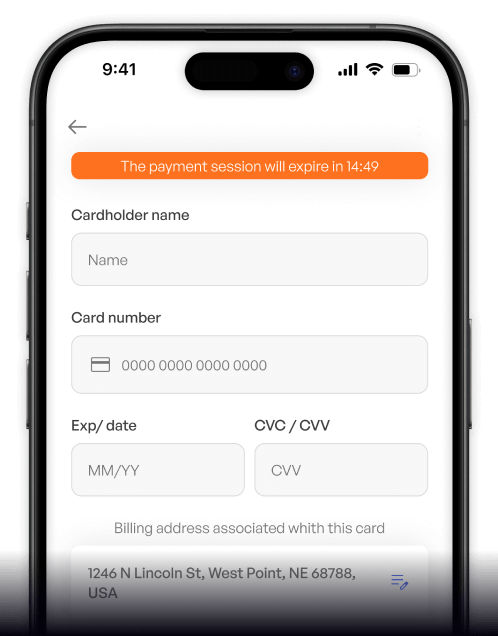
How to Buy Standard (STND)
Popular Coins for Danish Krone (DKK)
Other Coins for Danish Krone (DKK)
Frequently asked questions
-
What is the primary method for purchasing Standard (STND) with Danish Krone (DKK)?
The primary method is to use a centralized cryptocurrency exchange that lists the STND token and offers a DKK fiat on-ramp. Users typically need to complete KYC/AML verification, then deposit DKK via a SEPA transfer or a debit/credit card. Once the DKK is credited, you can place an order for STND on the platform's spot market, effectively converting your fiat into this digital asset within the Polkadot ecosystem. -
What is the function of the STND token within its native Standard Protocol?
STND is the primary governance token of the Standard Protocol, a Collateralized Rebasable Stablecoin (CRS) system built on a Polkadot parachain. Holders of the STND token can participate in governance by voting on key protocol parameters and upgrades. It is also used to help secure the network and is integral to the mechanism for generating synthetic assets and the protocol's stablecoin, Meter (MTR), through collateralized debt positions. -
What kind of digital wallet do I need for storing STND tokens after a DKK transaction?
Since STND is a token within the Polkadot ecosystem, you will need a digital wallet that is compatible with the Substrate framework. Popular choices include Polkadot.js, Fearless Wallet, or other wallets that support Polkadot parachain assets. For enhanced security of your digital asset holdings, using a hardware wallet like Ledger, in conjunction with a compatible software interface, is highly recommended. -
Are there strategic advantages to converting DKK directly to STND?
Yes, converting DKK to STND serves as a direct fiat gateway into the governance of a specific DeFi protocol within the Polkadot ecosystem. It allows holders to immediately gain exposure and participate in the Standard Protocol's governance votes. This is more direct than converting DKK to a major cryptocurrency like BTC or ETH first, which would require an additional trade and potentially more fees to acquire STND. -
What fees are associated with trading the DKK/STND pair on a crypto exchange?
Several fees can apply. First, there may be a deposit fee for funding your account with DKK via SEPA or card. Second, the exchange will charge a trading fee when you execute your DKK to STND order, which is often a percentage of the transaction value and depends on the platform's order book liquidity. Finally, when you move your STND to a private digital wallet, a network withdrawal fee is charged, which is determined by the Polkadot network's current transaction costs.