


Convert
Danish Krone (DKK) to SKALE Network (SKL) Instantly


Purchase SKALE Network (SKL) with Danish Krone (DKK) easily at Switchere and benefit from fast, secure transactions.
About
SKALE Network (SKL)
SKALE Network (SKL) is a decentralized, elastic blockchain network designed to significantly enhance the scalability and user experience of Ethereum-based decentralized applications (dApps). It operates as a multichain network of interconnected, application-specific sidechains known as SKALE Chains. These chains offer high throughput, near-instant finality, and, critically, zero gas fees for end-users, addressing major bottlenecks on the Ethereum mainnet. SKALE achieves this through a pooled security model, leveraging a large set of validator nodes that run SKALE Chains using containerization technology and a variant of Asynchronous Binary Byzantine Agreement (ABBA) for its consensus mechanism.
The native utility token, SKL, is an ERC-777 token crucial for the network's operation and security. Its primary functions include staking by validators to secure the network and earn rewards, delegation by token holders to validators, and payment for SKALE Chain subscriptions by developers. SKL also facilitates on-chain governance, allowing token holders to vote on protocol parameters. SKALE's architecture provides EVM compatibility, enabling seamless migration of Ethereum dApps. By offering a configurable and cost-effective Web3 infrastructure, SKALE Network positions itself as a key layer-2 scaling solution, fostering growth in DeFi applications, blockchain gaming, and NFT marketplaces seeking robust performance and an improved digital asset experience without the burden of unpredictable transaction costs.

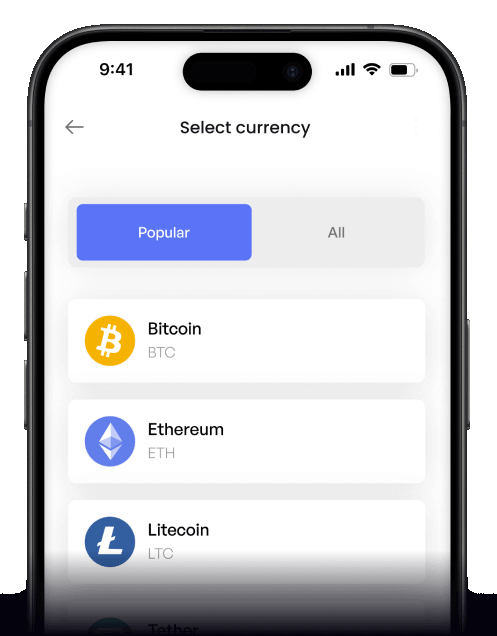
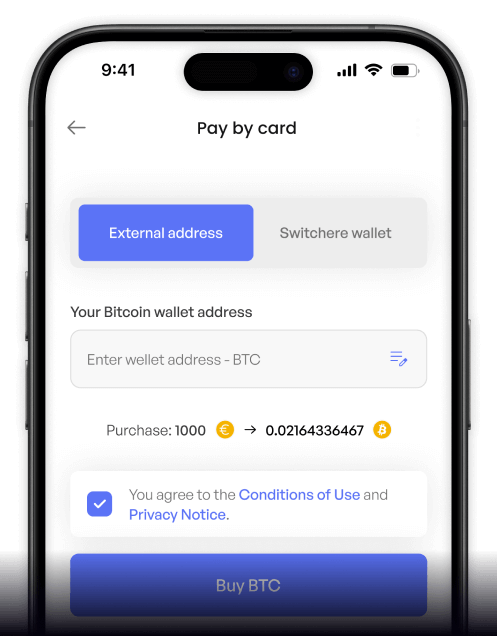
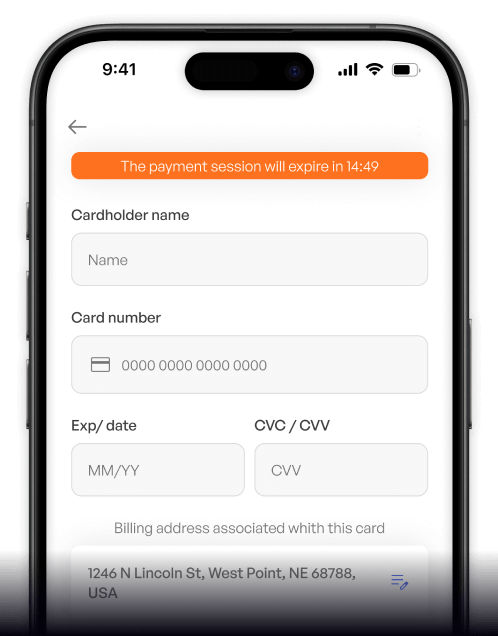
How to Buy SKALE Network (SKL)
 Step-by-step guidance
 Easy credit card payments
 Streamlined purchase process
 Web
Web
Popular Coins for Danish Krone (DKK)




Other Coins for Danish Krone (DKK)




Frequently asked questions
-
What does the DKK to SKL trading pair represent for investors?
The DKK/SKL pair represents a direct fiat on-ramp for converting Danish Krone (DKK) into SKALE Network's native utility token, SKL. This is significant for Danish users seeking access to an Ethereum scalability solution. By purchasing SKL, they can engage with a network that offers developers elastic sidechains designed to run decentralized applications (dApps) with high performance and zero gas fees for end-users. -
How can I buy SKALE Network (SKL) tokens using Danish Krone (DKK)?
To buy SKL with DKK, you typically need to use a cryptocurrency exchange that supports DKK deposits. Common methods include SEPA bank transfers, credit/debit card purchases denominated in DKK, or using Danish-friendly payment systems where available. All reputable platforms will require you to complete KYC/AML compliance checks before processing your digital asset purchase. -
What is the core function of the SKL token after acquiring it with DKK?
Once acquired, the SKL token's primary utility is within the SKALE Network ecosystem. Token holders can stake their SKL with network validators to help secure the network through its pooled security model and earn rewards. The SKL token is also used for network governance and as a payment mechanism for subscriptions to the elastic SKALE Chains. -
After converting DKK to SKL, will I pay high gas fees on the SKALE Network?
A key advantage of the SKALE Network is its architecture designed for zero gas fees for end-users. While you use DKK to acquire the SKL token, subsequent transactions within a dApp running on a SKALE Chain do not incur gas fees in the way they do on the Ethereum mainnet. This makes the platform highly efficient for high-throughput decentralized applications. -
What is the most secure way to store my SKL tokens after a DKK purchase?
For maximum security after your DKK to SKL transaction, it is highly recommended to move your SKL tokens from the cryptocurrency exchange to a personal digital wallet where you control the private keys. As an Ethereum-based token, SKL can be stored in any EVM-compatible wallet, with hardware wallets (cold storage) offering the best protection against online threats for long-term holding.

Buy on the go
Anywhere. Anytime.
Buy crypto with your credit card from anywhere. Live rates, transparent fees, and 3D Secure on every order - the full Switchere card-buy experience in your pocket.



Scan to download the app iOS and Android

