


- Startseite
- Konverter
- Korean Won (KRW) zu USDC (ARB)

Konvertieren
Korean Won (KRW) zu USDC (ARB) Sofort


Kaufen Sie USDC (ARB) mit Korean Won (KRW) einfach bei Switchere und profitieren Sie von schnellen und sicheren Transaktionen.
Über
USDC (ARB)
USD Coin (USDC) auf Arbitrum ist ein entscheidender Bestandteil der Web3-Infrastruktur und fungiert als Fiat-besicherter Stablecoin, der speziell auf diese prominente Layer-2-Skalierungslösung überbrückt wurde. Ausgegeben von Circle und verwaltet vom Centre-Konsortium, ist jeder USDC-Token darauf ausgelegt, eine 1:1-Bindung an den US-Dollar aufrechtzuerhalten, gedeckt durch vollständig reservierte Vermögenswerte. Seine Präsenz im Arbitrum One-Netzwerk adressiert direkt die Skalierbarkeitsprobleme des Ethereum-Mainnets, wie hohe Gasgebühren und langsamere Transaktionsgeschwindigkeiten. Durch die Nutzung der Optimistic-Rollup-Technologie von Arbitrum werden USDC-Transaktionen erheblich schneller und kostengünstiger, was seine Nützlichkeit als digitales Asset für den täglichen Handel und DeFi-Anwendungen erhöht.
Innerhalb des aufstrebenden Arbitrum-Ökosystems dient USDC als grundlegendes digitales Asset und primäres Tauschmittel. Es wird ausgiebig als Sicherheit in Leih- und Darlehensprotokollen verwendet, stellt Liquidität in dezentralen Börsen (DEXs) bereit und fungiert als stabile Rechnungseinheit für Yield Farming und andere DeFi-Strategien. Die Fähigkeit, diesen stabilen Wert effizient über eine Blockchain mit hohem Durchsatz zu bewegen, macht ihn für Benutzer, die mit dApps im Netzwerk interagieren, unverzichtbar. Diese Version von USDC ist für jeden unerlässlich, der am DeFi-Landschaft von Arbitrum teilnehmen möchte, während er die Volatilität anderer kryptografischer Vermögenswerte und die hohen Transaktionskosten der Ethereum-Basisschicht meidet.

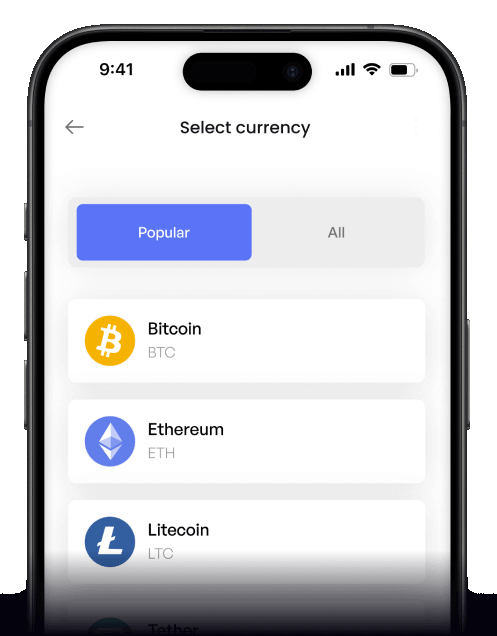
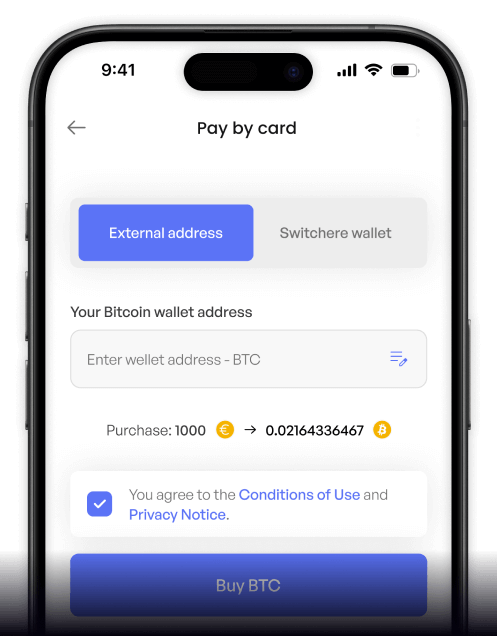
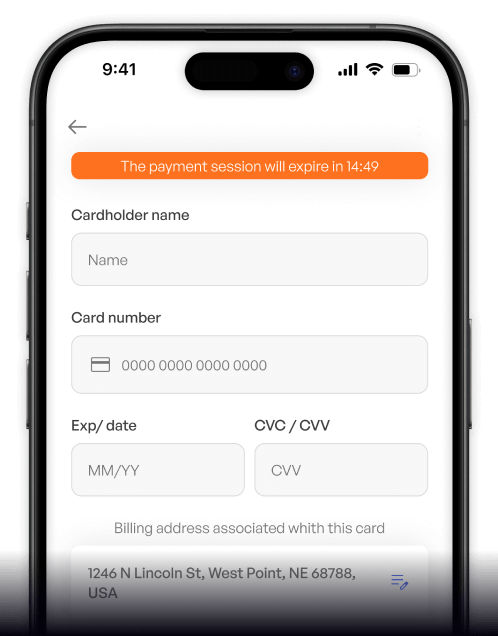
Wie man USDC (ARB) kauft
 Schritt-für-Schritt-Anleitung
 Einfache Zahlungen mit Kreditkarte
 Rationalisierter Kaufprozess
 Web
Web
Beliebte Münzen für Korean Won (KRW)




Andere Münzen für Korean Won (KRW)




Häufig gestellte Fragen
-
Was ist die primäre Methode, um USDC auf Arbitrum mit südkoreanischen Won (KRW) zu kaufen?
In der Regel gibt es keine direkte Fiat-On-Ramp von KRW zu Arbitrum USDC. Der gebräuchlichste Weg besteht darin, eine regulierte südkoreanische Kryptowährungsbörse zu nutzen, um ein wichtiges digitales Asset wie ETH oder BTC mit KRW per lokaler Banküberweisung zu kaufen. Anschließend würden Sie das Asset in eine selbstverwaltete digitale Wallet abheben, eine Blockchain-Brücke verwenden, um es auf das Arbitrum Layer-2-Netzwerk zu übertragen, und es dann auf einer dezentralen Börse (DEX) gegen ARB-natives USDC tauschen. -
Was sind die Vorteile der Verwendung von USDC im Arbitrum-Netzwerk gegenüber dem Ethereum-Mainnet?
Die Hauptvorteile der Verwendung von USDC auf Arbitrum, einer optimistischen Rollup-Layer-2-Lösung, sind deutlich niedrigere Transaktionsgebühren und schnellere Bestätigungszeiten. Die Interaktion mit DeFi-Protokollen und dApps auf Arbitrum kostet nur einen Bruchteil dessen, was es im Ethereum-Mainnet kosten würde, was es für häufige Transaktionen effizienter macht. Darüber hinaus vermeidet ARB-natives USDC, das direkt von Circle im Netzwerk ausgegeben wird, die Sicherheitsrisiken, die mit Blockchain-Brücken von Drittanbietern verbunden sind. -
Welche Gebühren sollte ich bei der Umrechnung von KRW in Arbitrum USDC erwarten?
Der Prozess umfasst mehrere Stufen, jede mit potenziellen Gebühren: 1) Eine Handelsgebühr an der ursprünglichen koreanischen Börse für den KRW/Krypto-Handel. 2) Eine Abhebungsgebühr, um das gekaufte Asset von der Börse zu bewegen. 3) Eine Netzwerkgebühr für die Nutzung einer Blockchain-Brücke, um Gelder in das Arbitrum-Netzwerk zu verschieben. 4) Eine Tauschgebühr an der dezentralen Börse (DEX) auf Arbitrum, zuzüglich einer kleinen Netzwerk-Gasgebühr, die an den Arbitrum-Sequenzer für die Verarbeitung der Transaktion gezahlt wird. -
Ist die Einhaltung von KYC/AML erforderlich, wenn KRW zum Erwerb von Arbitrum USDC verwendet wird?
Ja, in der anfänglichen Fiat-On-Ramp-Phase. Alle regulierten Kryptowährungsbörsen in Südkorea sind von der Financial Intelligence Unit (FIU) verpflichtet, strenge Know Your Customer (KYC) und Anti-Geldwäsche (AML) Verfahren durchzusetzen. Sie müssen Ihre Identität überprüfen und ein Bankkonto mit echtem Namen verknüpfen, um KRW einzuzahlen und den Prozess zu starten. Die nachfolgenden Schritte auf dezentralen Plattformen erfordern in der Regel keine persönliche Identifizierung. -
Was ist 'ARB-natives USDC' und warum ist es wichtig?
ARB-natives USDC ist die offizielle Version des USDC-Stablecoins, die direkt von Circle auf der Arbitrum-Blockchain ausgegeben wird. Dies unterscheidet sich von 'überbrücktem USDC' (oft als USDC.e bezeichnet), bei dem es sich um einen Ethereum-basierten USDC-Token handelt, der in einem Smart Contract gesperrt und auf Arbitrum repräsentiert wird. Die Verwendung der nativen Version ist entscheidend für eine bessere Sicherheit, da sie nicht von der Integrität des Smart Contracts einer Brücke abhängt und eine nahtlose Kompatibilität und Liquidität innerhalb des Arbitrum-dApp-Ökosystems gewährleistet.

Unterwegs kaufen
Überall. Jederzeit.
Kaufen Sie Kryptowährungen mit Ihrer Kreditkarte von überall aus. Aktuelle Kurse, transparente Gebühren und 3D Secure bei jeder Bestellung – das komplette Switchere-Erlebnis beim Kauf mit Kreditkarte immer griffbereit.



Scannen Sie den QR-Code, um die App für iOS und Android herunterzuladen

