


Convert
Korean Won (KRW) to Reserve Rights (RSR) Instantly


Purchase Reserve Rights (RSR) with Korean Won (KRW) easily at Switchere and benefit from fast, secure transactions.
About
Reserve Rights (RSR)
Reserve Rights (RSR) is the volatile utility and governance token of the Reserve Protocol, a decentralized network designed to combat the effects of currency devaluation and hyperinflation. The protocol's primary mission is to provide access to a stable, asset-backed digital currency as a reliable alternative to volatile fiat currencies. This is achieved through a sophisticated dual-token model, where the Reserve Protocol enables the creation of various stablecoins, known as RTokens, each backed by a distinct basket of tokenized assets held and managed by smart contracts on the blockchain.
The core of this Web3 infrastructure relies on a system of over-collateralization to ensure stability. RTokens are designed to maintain their peg through a process of arbitrage, where market participants can redeem RTokens for the underlying collateral or mint them by depositing the required assets. The RSR token plays a crucial role in this system's cryptographic security. Its primary function is to insure RTokens against collateral default. This unique recapitalization mechanism provides a robust backstop for the stablecoins built on the protocol, enhancing the integrity of the digital ledger.
As a utility token, RSR has two main functions. Firstly, RSR holders can stake their tokens on specific RTokens to earn a portion of the revenue generated by that stablecoin's collateral. Secondly, and most critically, in the event of a collateral asset failure, the staked RSR is seized and sold to restore the RToken's peg, making its holders whole. This staking and insurance model, combined with RSR's use in on-chain governance for protocol upgrades, makes it an essential component for the long-term health and decentralization of the Reserve DeFi ecosystem.

How to Buy Reserve Rights (RSR)
 Step-by-step guidance
 Easy credit card payments
 Streamlined purchase process
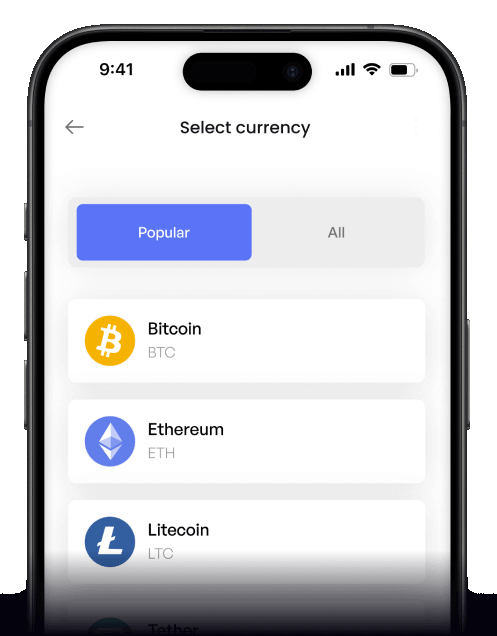
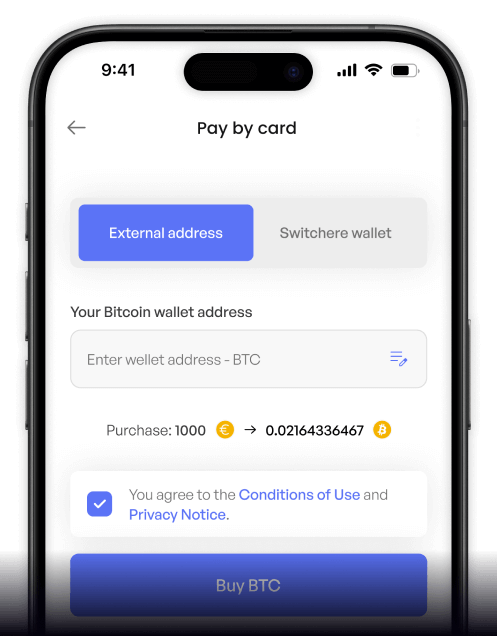
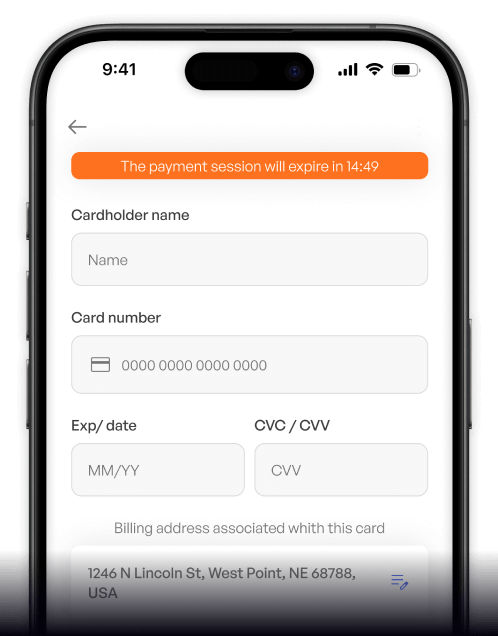
 Web
Web
Popular Coins for Korean Won (KRW)




Other Coins for Korean Won (KRW)









Frequently asked questions
-
What is the KRW/RSR trading pair and its significance in the market?
The KRW/RSR pair represents the exchange rate between the South Korean Won (KRW) and the Reserve Rights (RSR) token. Its significance lies in providing a direct fiat on-ramp for one of Asia's most active crypto markets into the Reserve Protocol ecosystem. RSR is the utility token that backs and governs the platform's decentralized stablecoins, known as RTokens, through a system of overcollateralization and staking. -
What is the typical process to buy RSR using South Korean Won (KRW)?
To buy RSR with KRW, you typically need to use a regulated South Korean cryptocurrency exchange that lists the RSR/KRW pair. The process involves creating an account, completing mandatory KYC/AML verification with a real-name domestic bank account, depositing KRW via a bank transfer, and then placing a buy order for RSR on the exchange's order book. -
What is the core function of RSR tokens when staked in the Reserve Protocol?
The core function of staked RSR is to provide overcollateralization for the Reserve Protocol's RTokens. If any of the collateral assets backing an RToken depeg and fall in value, the protocol can sell staked RSR to recapitalize the system and ensure the RToken remains fully backed. In return for taking on this risk, RSR stakers can earn a portion of the revenue generated by the collateral assets. -
Are there specific security practices to follow after purchasing RSR with KRW?
Yes. After acquiring RSR on an exchange, it is highly recommended to transfer the digital asset to a personal, non-custodial wallet where you control the private keys. Options include hardware wallets (like Ledger or Trezor) for maximum security or reputable software wallets that support ERC-20 tokens. This mitigates the risk of losing your assets due to an exchange hack or failure. -
What kind of fees should I expect when trading KRW for RSR?
When trading KRW for RSR on a South Korean exchange, you'll typically encounter several fees: a deposit fee for funding your account with KRW (often minimal for bank transfers), a trading fee based on a maker-taker model which is a small percentage of the trade value, and a withdrawal fee if you move your RSR tokens off the exchange to a private wallet.

Buy on the go
Anywhere. Anytime.
Buy crypto with your credit card from anywhere. Live rates, transparent fees, and 3D Secure on every order - the full Switchere card-buy experience in your pocket.



Scan to download the app iOS and Android

