


Convert
Korean Won (KRW) to Rocket Pool (RPL) Instantly


Purchase Rocket Pool (RPL) with Korean Won (KRW) easily at Switchere and benefit from fast, secure transactions.
About
Rocket Pool (RPL)
Rocket Pool (RPL) is a pioneering decentralized Ethereum staking protocol, meticulously designed to democratize participation in Ethereum's Proof-of-Stake (PoS) consensus mechanism. It aims to solve the high capital and technical barriers typically associated with running an Ethereum validator node, thereby fostering greater network decentralization. The protocol's core infrastructure leverages audited smart contracts to manage staking pools, enabling users to stake ETH and receive rETH, a liquid staking derivative token. This rETH token represents their staked ETH and accumulated on-chain rewards, crucially allowing users to maintain liquidity for use in other DeFi applications while securing the Ethereum network through this innovative blockchain technology.
The native utility and governance token, RPL, is integral to the Rocket Pool ecosystem. Aspiring permissionless node operators are required to stake RPL as collateral alongside ETH when creating a minipool (requiring only 8 or 16 ETH from the operator), which serves as a form of insurance for the protocol. This RPL staking mechanism, part of its robust tokenomics, bolsters the cryptographic security and integrity of the decentralized network. Furthermore, RPL empowers its holders with governance rights, enabling participation in DAO decisions that guide the protocol's evolution. As a leading digital asset in the Ethereum liquid staking sector, Rocket Pool significantly contributes to the robustness and accessibility of Web3 infrastructure built on this foundational digital ledger.

How to Buy Rocket Pool (RPL)
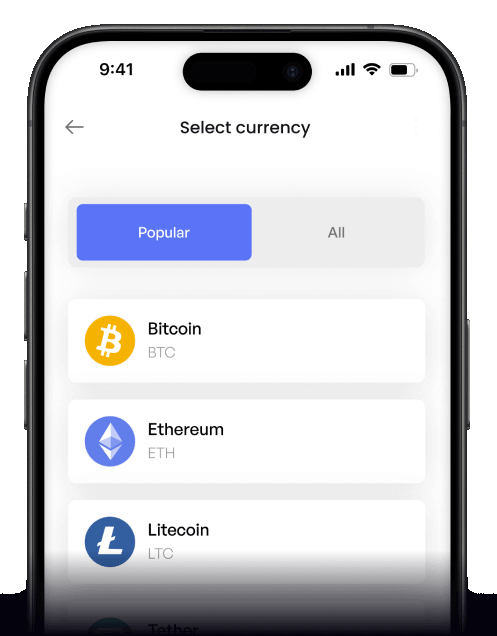
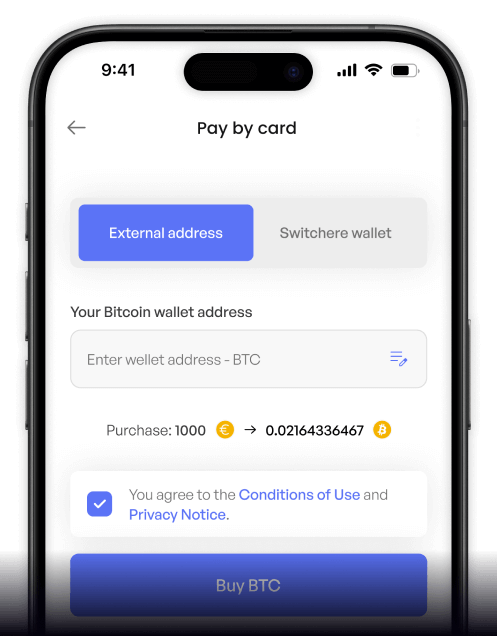
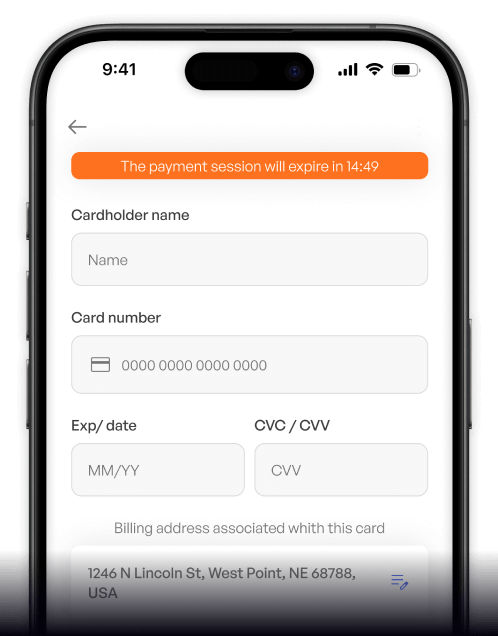
 Step-by-step guidance
 Easy credit card payments
 Streamlined purchase process
 Web
Web
Popular Coins for Korean Won (KRW)





Other Coins for Korean Won (KRW)





Frequently asked questions
-
What are the common methods to buy Rocket Pool (RPL) with Korean Won (KRW)?
Typically, you would first use a regulated South Korean cryptocurrency exchange as a fiat on-ramp to deposit KRW via a local bank transfer. On this platform, you'd buy a major digital asset like Ethereum (ETH). Then, you would transfer that ETH to a global exchange that lists the ETH/RPL trading pair to acquire RPL tokens for participation in the decentralized liquid staking protocol. -
What is the primary function of the RPL token within the Rocket Pool ecosystem?
The RPL token is an ERC-20 utility token essential for operating a node in the Rocket Pool protocol. Node operators must stake RPL as collateral, which acts as a form of insurance for the ETH they stake on behalf of the protocol. This ensures honest behavior and secures the network. RPL also functions as a governance token, allowing holders to participate in protocol decisions. -
What is 'rETH' and how does it relate to my RPL purchase?
While RPL is the protocol's utility token, rETH is the liquid staking derivative you receive when you stake ETH through Rocket Pool. It represents your staked ETH plus accrued staking rewards. Though you buy RPL to potentially run a node, many users interact with Rocket Pool simply to exchange ETH for rETH, which allows them to stay liquid and participate in DeFi while earning Ethereum staking rewards. -
What are the typical fees when using KRW to acquire RPL?
The process involves several potential fees: 1) A KRW deposit fee from your bank or the Korean exchange. 2) A trading fee on the Korean exchange to buy ETH. 3) A withdrawal fee to move ETH off the Korean exchange. 4) A trading fee on the global exchange for the ETH/RPL pair. 5) Finally, a blockchain transaction fee (gas fee) to withdraw your RPL tokens to a secure, self-custody digital wallet. -
Why might a user choose Rocket Pool for permissionless staking over other solutions?
Rocket Pool's key advantage is its commitment to decentralization and permissionless access. It allows anyone to become a node operator with only 16 ETH (plus RPL collateral), half the amount required to run a solo validator. This lowers the barrier to entry, promoting a more distributed and resilient set of Ethereum validators compared to centralized or more restrictive liquid staking solutions.

Buy on the go
Anywhere. Anytime.
Buy crypto with your credit card from anywhere. Live rates, transparent fees, and 3D Secure on every order - the full Switchere card-buy experience in your pocket.



Scan to download the app iOS and Android

