


Convert
Korean Won (KRW) to Dent (DENT) Instantly


Purchase Dent (DENT) with Korean Won (KRW) easily at Switchere and benefit from fast, secure transactions.
About
Dent (DENT)
Dent (DENT) is a pioneering digital asset project leveraging blockchain technology to create a decentralized global marketplace for mobile data. Its primary objective is to disrupt the traditional telecommunications industry by enabling a peer-to-peer network where users can buy, sell, and donate their unused telco assets. Operating as an ERC-20 token on the Ethereum blockchain, Dent utilizes smart contracts to address critical issues like costly data roaming and the forfeiture of unused data allowances. This innovative model aims to liberalize the mobile data market, making global connectivity more efficient, accessible, and transparent for consumers worldwide through its decentralized network.
The DENT token serves as the core utility token and the exclusive currency within the Dent ecosystem, which includes the Dent App and the Dent Exchange. All transactions, from purchasing mobile data packages to acquiring eSIM profiles for roaming-free internet access, are conducted using DENT. This positions the digital asset as the central medium of exchange for tokenized bandwidth. The platform’s integration of eSIM technology is a key feature, allowing users to instantly connect to mobile networks in numerous countries. As a Web3 infrastructure project, Dent is a unique application of a digital ledger to solve a tangible, real-world problem in the multi-trillion dollar telco space.

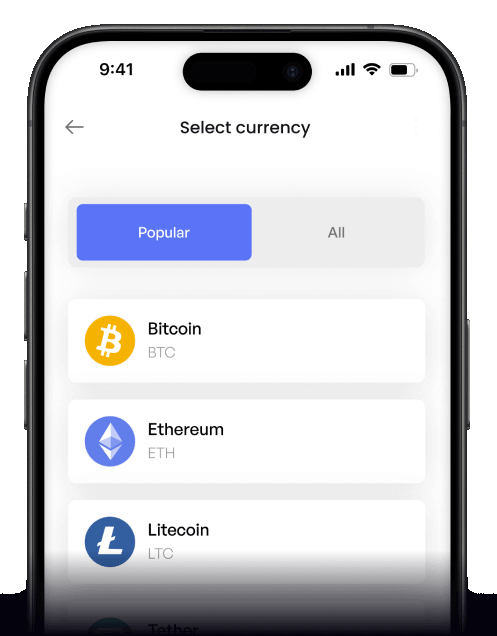
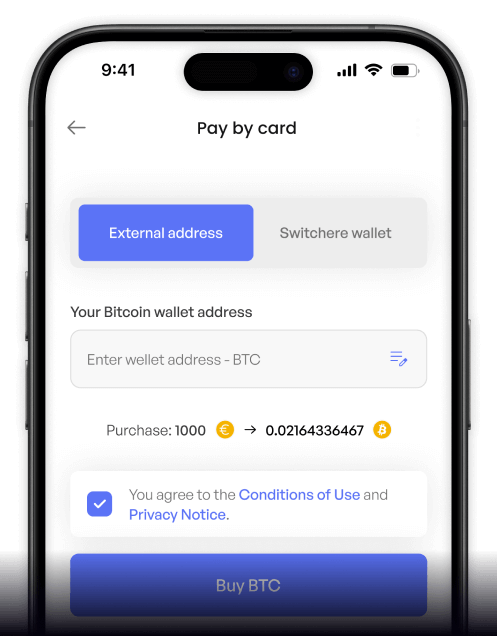
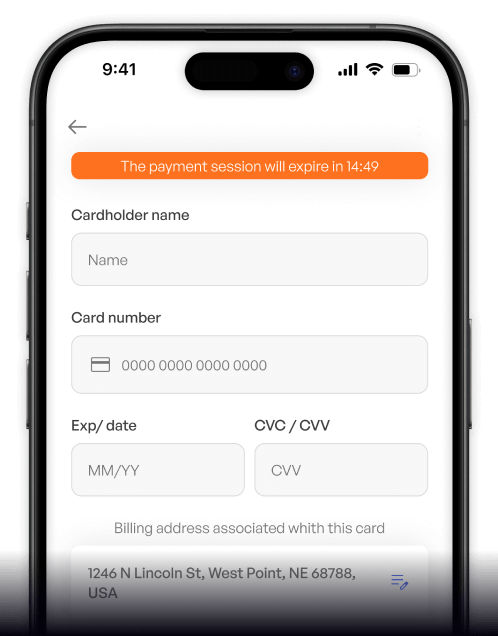
How to Buy Dent (DENT)
 Step-by-step guidance
 Easy credit card payments
 Streamlined purchase process
 Web
Web
Popular Coins for Korean Won (KRW)




Other Coins for Korean Won (KRW)








Frequently asked questions
-
What is the KRW/DENT trading pair and its significance in the South Korean market?
The KRW/DENT pair allows users to directly trade South Korean Won (KRW) for DENT tokens. Its significance in South Korea lies in providing a direct fiat on-ramp for local users to acquire this digital asset, which powers a decentralized mobile data market. This allows them to participate in the Dent Wireless ecosystem, which focuses on eSIM technology and reducing roaming fees, using their local currency on regulated Korean exchanges. -
What is the process for buying DENT with South Korean Won on a cryptocurrency exchange?
To buy DENT with KRW, you must first register on a regulated Korean crypto exchange that lists the KRW/DENT pair. The process involves completing a strict KYC/AML verification and linking a real-name bank account from a partnered domestic bank. After your account is verified, you can deposit KRW via a bank transfer. Finally, navigate to the KRW/DENT order book to place a buy order for the desired amount of this ERC-20 token. -
What is the core utility of the DENT token within its ecosystem?
DENT is an ERC-20 token that functions as the native currency for the Dent Wireless ecosystem. Its primary utility is to facilitate transactions on the DENT Exchange, a marketplace for buying and selling mobile data packages and eSIM data plans. The project aims to create a global data sharing economy, allowing users to monetize their unused mobile data and avoid expensive roaming fees, with all transactions settled in DENT tokens. -
Are there specific security measures to consider when trading the KRW/DENT pair?
Yes. When trading KRW/DENT, use only regulated Korean exchanges that require real-name bank accounts, as this enhances AML compliance and security. Always enable two-factor authentication (2FA) on your exchange account. For storing DENT long-term, it's best practice to withdraw the ERC-20 tokens from the exchange to a personal digital wallet where you control the private keys, such as a hardware wallet. This minimizes the risk from exchange-related security breaches. -
How does the liquidity of the KRW/DENT market impact trading?
Market liquidity for KRW/DENT directly affects the ease and cost of trading. High liquidity, characterized by a high trading volume and a deep order book, results in a tight bid-ask spread. This allows traders to execute large orders without significantly impacting the market price. Conversely, low liquidity leads to a wider spread and higher slippage, making transactions more expensive and potentially difficult to fill at the desired price.

Buy on the go
Anywhere. Anytime.
Buy crypto with your credit card from anywhere. Live rates, transparent fees, and 3D Secure on every order - the full Switchere card-buy experience in your pocket.



Scan to download the app iOS and Android

