


 Web
Web






Miner du XRP : Mythe ou Réalité ?
 Farouk Ahmed
|
Farouk Ahmed
|
sept. 16, 2026

Achetez Ripple (XRP) avec Korean Won (KRW) facilement sur Switchere et bénéficiez de transactions rapides et sécurisées.
Ripple (XRP) est un actif numérique spécialement conçu pour optimiser les paiements mondiaux, en se concentrant sur la facilitation de transactions financières internationales sécurisées, instantanées et peu coûteuses. Il s'attaque à la latence inhérente et aux frais élevés associés aux systèmes bancaires traditionnels correspondants en utilisant sa blockchain native, le XRP Ledger (XRPL). Le XRPL utilise un mécanisme de consensus unique, souvent appelé protocole de consensus du XRP Ledger, qui diffère de la preuve de travail ou de la preuve d'enjeu traditionnelles, permettant la validation des transactions en 3 à 5 secondes environ. Cette architecture garantit que le grand livre numérique est hautement évolutif et efficace pour le traitement de gros volumes de paiements, un principe fondamental de sa tokenomics.
Le jeton XRP joue un rôle crucial dans l'écosystème Ripple, principalement en tant que monnaie de transition pour faciliter les règlements transfrontaliers et fournir une liquidité à la demande (ODL) pour les institutions financières sur le réseau RippleNet. Cette utilité permet aux entités de transférer de la valeur à l'échelle mondiale sans avoir besoin de comptes nostro préfinancés, ce qui réduit les besoins en capitaux et les délais de règlement. Le XRP est également utilisé pour payer les frais de transaction minimes sur le grand livre XRP. L'accent mis par Ripple sur les solutions d'entreprise et son protocole de paiement le positionne comme un actif numérique important dans le domaine des systèmes de règlement brut en temps réel (RTGS), visant à établir une infrastructure financière mondiale plus efficace et interconnectée en tirant parti de la technologie blockchain pour la communication interbancaire et le transfert de valeur.

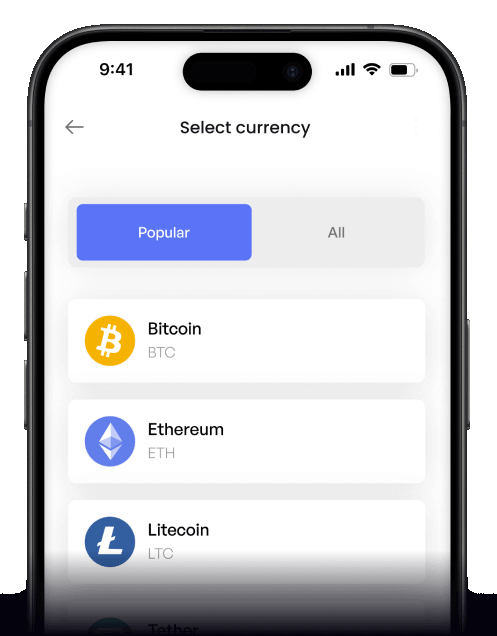
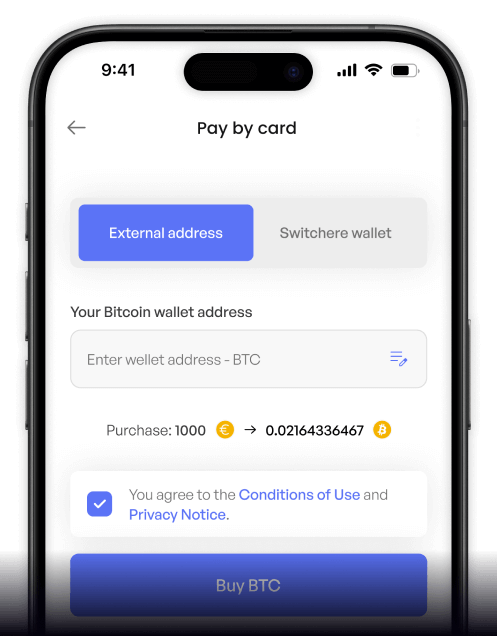
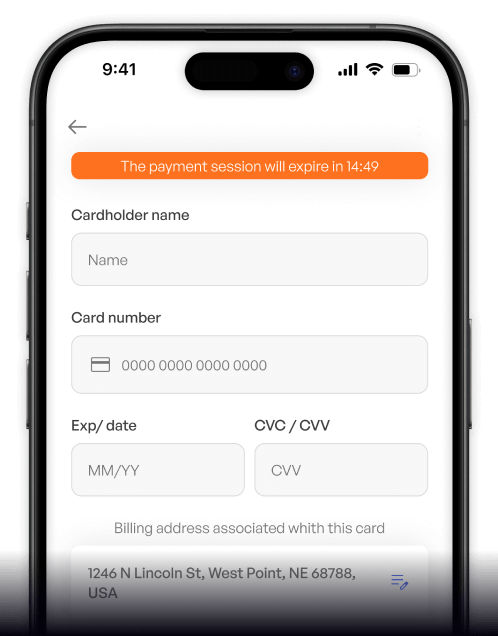
 Conseils étape par étape
 Paiements faciles par carte de crédit
 Processus d'achat simplifié
Farouk Ahmed
|
Processus d'achat simplifié
Farouk Ahmed
|
 Alexey Morozov
|
Alexey Morozov
|
 Oliver Grant
|
Oliver Grant
|
Achetez des cryptomonnaies avec votre carte bancaire où que vous soyez. Taux de change en temps réel, frais transparents et 3D Secure pour chaque commande : toute l'expérience d'achat par carte Switchere à portée de main.



Scannez le code pour télécharger l'application sur iOS et Android

Notre site web utilise des cookies. Notre politique en matière de cookies
