


Convert
Korean Won (KRW) to Dai (DAI) Instantly


Purchase Dai (DAI) with Korean Won (KRW) easily at Switchere and benefit from fast, secure transactions.
About
Dai (DAI)
DAI (DAI) stands as a pioneering decentralized stablecoin soft-pegged to the US Dollar, operating on the Ethereum blockchain as an ERC-20 token. Its primary purpose is to provide a censorship-resistant and transparent digital asset that maintains a stable value, offering a crucial building block for the decentralized finance (DeFi) ecosystem. Governed by the MakerDAO community through the MKR governance token, DAI's stability is achieved through a sophisticated system of over-collateralization. Users generate DAI by locking up approved crypto assets, such as ETH or WBTC, into smart contracts known as Maker Vaults (formerly Collateralized Debt Positions or CDPs). This process ensures that every DAI in circulation is backed by a greater value of collateral, mitigating volatility risks.
The core technology relies on Ethereum's smart contract capabilities to manage these Vaults, automate liquidations if collateral value drops below a certain threshold, and maintain the peg through various stability mechanisms, including Stability Fees and the Dai Savings Rate (DSR). The DSR allows DAI holders to earn yield on their holdings directly on-chain. DAI's utility token function is primarily as a stable medium of exchange, a unit of account, and a store of value within countless DeFi applications, including lending protocols, decentralized exchanges, and yield farming strategies. As one of the most widely integrated crypto-backed stablecoins, DAI is a foundational element of Web3 infrastructure, enabling peer-to-peer transactions and complex financial instruments without reliance on traditional intermediaries.
How to Buy Dai (DAI)
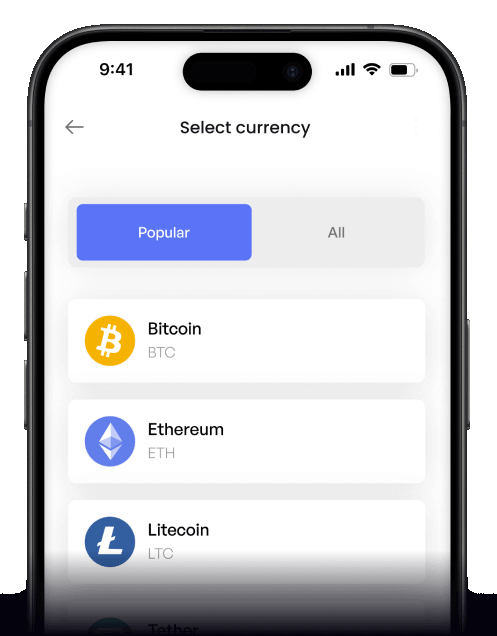
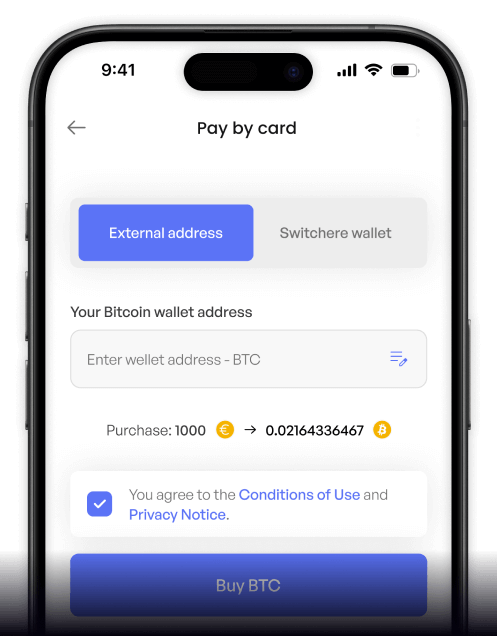
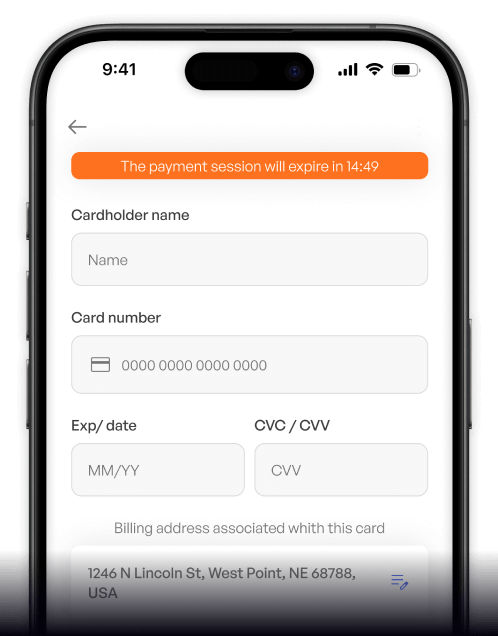
 Step-by-step guidance
 Easy credit card payments
 Streamlined purchase process
 Web
Web
Popular Coins for Korean Won (KRW)




Other Coins for Korean Won (KRW)





Frequently asked questions
-
What are the common methods to buy Dai (DAI) with South Korean Won (KRW)?
The primary method is through a centralized cryptocurrency exchange that supports KRW deposits. In South Korea, regulations require users to link a real-name verified bank account to their exchange account for fiat on-ramping. Once your KRW is deposited via a local bank transfer, you can use the KRW/DAI trading pair on the order book. Remember that DAI is an ERC-20 token, so you'll be purchasing a digital asset on the Ethereum blockchain. -
Why is the decentralized stablecoin DAI a strategic choice for KRW holders?
DAI offers a stable store of value as it is soft-pegged to the US Dollar. For KRW holders, converting to DAI provides a hedge against both KRW volatility and the volatility of other digital assets. As a decentralized stablecoin governed by MakerDAO, it operates transparently on smart contracts, relying on a system of over-collateralized assets in Vaults rather than a central entity, which can be a key security benefit. -
What technical knowledge is needed to manage DAI after purchasing with KRW?
Since DAI is an ERC-20 token, you need a basic understanding of the Ethereum ecosystem. This includes using an Ethereum-compatible digital wallet (like MetaMask or a hardware wallet) to securely store your private keys. You should also be aware of Ethereum network transaction fees, known as 'gas fees' (paid in ETH), which are required to move your DAI from an exchange to your personal wallet or to interact with DeFi applications like the Oasis app for the Maker Protocol. -
How does the MakerDAO protocol ensure the stability of DAI when traded against KRW?
The stability of DAI is not directly related to its KRW trading pair but is maintained by the underlying Maker Protocol on Ethereum. DAI is generated when users lock up approved digital assets (like ETH, WBTC) as collateral in smart contracts called Vaults. This collateral is always valued higher than the DAI issued, creating an over-collateralized system. Stability fees and governance by MKR token holders are used to manage risk and maintain the peg to the USD, which indirectly stabilizes its value against all fiat currencies, including KRW. -
Are there specific KYC/AML compliance requirements for the KRW to DAI fiat on-ramp?
Yes, South Korea has stringent KYC/AML regulations enforced by its Financial Services Commission (FSC). To use a KRW fiat on-ramp, you must complete a thorough identity verification process on a licensed domestic exchange. This includes linking a real-name bank account from a partnered local bank to your exchange account. All transactions are monitored, making the KRW to DAI conversion process highly regulated and traceable.

Buy on the go
Anywhere. Anytime.
Buy crypto with your credit card from anywhere. Live rates, transparent fees, and 3D Secure on every order - the full Switchere card-buy experience in your pocket.



Scan to download the app iOS and Android

