


- Startseite
- Konverter
- Korean Won (KRW) zu ETHPoW (ETHW)

Konvertieren
Korean Won (KRW) zu ETHPoW (ETHW) Sofort


Kaufen Sie ETHPoW (ETHW) mit Korean Won (KRW) einfach bei Switchere und profitieren Sie von schnellen und sicheren Transaktionen.
Über
ETHPoW (ETHW)
ETHW (ETHW) ist eine harte Abspaltung der Ethereum-Blockchain, die nach Ethereums Übergang von einem Proof-of-Work (PoW) zu einem Proof-of-Stake (PoS) Konsensmechanismus initiiert wurde, ein Ereignis, das allgemein als "The Merge" bekannt ist. Der Hauptzweck von ETHW besteht darin, die ursprüngliche Ethereum-PoW-Kette beizubehalten und damit der bestehenden Gemeinschaft von Minern und Nutzern, die das PoW-Modell bevorzugen oder erhebliche Investitionen in die PoW-Mining-Infrastruktur getätigt haben, eine Fortsetzung zu bieten. Dieses dezentralisierte Netzwerk behält den Ethash-Mining-Algorithmus bei und verlässt sich darauf, dass Miner Transaktionen validieren und die Blockchain-Technologie durch Rechenarbeit absichern - ein grundlegender Aspekt des digitalen Ledgers von Ethereum vor dem Merge.
Der native ETHW-Token ist entscheidend für die Funktionalität des Ökosystems. Er dient als primärer digitaler Vermögenswert für die Zahlung von Transaktionsgebühren, allgemein als Gas bezeichnet, die für die Ausführung von Smart Contracts und die Interaktion mit dezentralen Anwendungen (dApps) auf der ETHW-Kette erforderlich sind. Darüber hinaus werden ETHW-Token als Belohnungen für das Mining verteilt, um Anreize für Miner zu schaffen, ihre Hash-Power zur Aufrechterhaltung der Netzwerkintegrität und der Sicherheit auf der Kette beizutragen. ETHW zielt darauf ab, ein Segment der Ethereum dApp-Landschaft und der damit verbundenen Tokenomics zu unterstützen und eine alternative Plattform für Entwickler und Nutzer zu bieten, die sich dem Proof-of-Work-Konsens verschrieben haben, und positioniert sich als eigenständiger Zweig innerhalb der breiteren Web3-Infrastruktur.

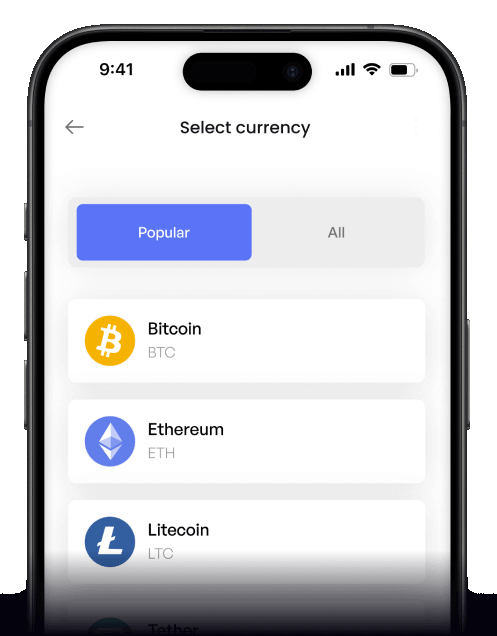
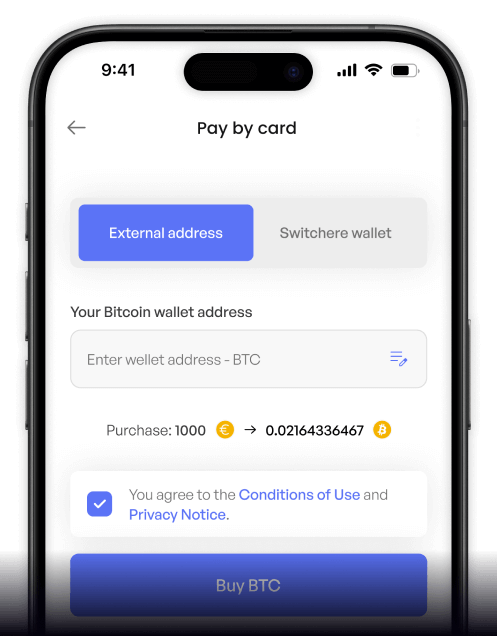
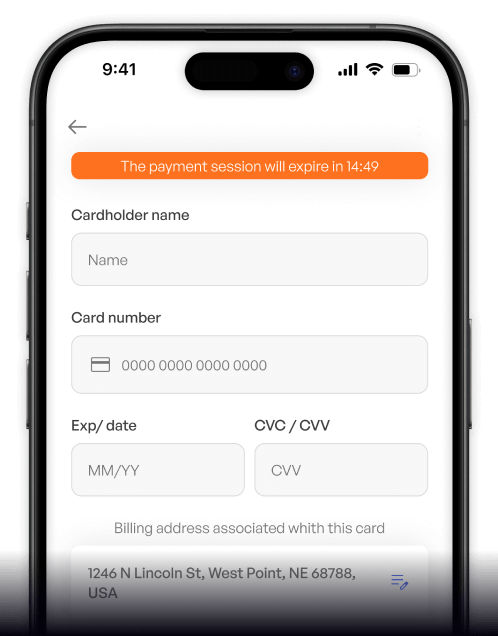
Wie man ETHPoW (ETHW) kauft
 Schritt-für-Schritt-Anleitung
 Einfache Zahlungen mit Kreditkarte
 Rationalisierter Kaufprozess
 Web
Web
Beliebte Münzen für Korean Won (KRW)





Andere Münzen für Korean Won (KRW)









Häufig gestellte Fragen
-
Was ist das Handelspaar KRW/ETHW und was stellt es dar?
Das KRW/ETHW-Paar ist ein Fiat-zu-Krypto-Gateway, das es Ihnen ermöglicht, ETHPoW (ETHW) direkt mit südkoreanischen Won (KRW) zu kaufen. Es stellt einen direkten Markt an einer Kryptowährungsbörse für südkoreanische Benutzer dar, um in ETHW zu investieren, dem Token für den Ethereum-Fork, der den ursprünglichen Proof-of-Work (PoW)-Konsensmechanismus nach 'The Merge' beibehält. -
Was sind die Voraussetzungen für den Handel von ETHW mit KRW an koreanischen Börsen?
Um ETHW mit KRW zu handeln, müssen Benutzer an südkoreanischen Kryptowährungsbörsen eine strenge KYC/AML (Know Your Customer/Anti-Money Laundering)-Verifizierung durchlaufen. Eine wesentliche Anforderung ist die Verknüpfung eines auf den echten Namen lautenden Bankkontos einer lokalen Partnerbank mit Ihrem Börsenkonto. Dies ist für alle KRW-Ein- und Auszahlungen obligatorisch und gewährleistet die Transaktionstransparenz. -
Wie sichert der Proof-of-Work-Konsens von ETHW das Netzwerk?
ETHW verwendet den Proof-of-Work (PoW)-Konsensmechanismus, bei dem Miner Rechenleistung einsetzen, um komplexe mathematische Probleme zu lösen. Der erste Miner, der die Lösung findet, darf den nächsten Block von Transaktionen zur Blockchain hinzufügen und erhält Mining-Belohnungen in ETHW. Dieser Prozess, bekannt als Mining, macht es für böswillige Akteure rechenintensiv und schwierig, die Transaktionshistorie zu ändern, und sichert so das Netzwerk. -
Was sind die Hauptunterschiede zwischen ETHW und ETH (Ethereum)?
Der grundlegende Unterschied ist der Konsensmechanismus. ETHW behält das ursprüngliche Proof-of-Work (PoW)-Modell bei, das auf Minern beruht. Im Gegensatz dazu ist ETH (Ethereum) während 'The Merge' zu einem Proof-of-Stake (PoS)-Modell übergegangen, das Validatoren verwendet, die ETH staken. Dies führt zu unterschiedlichen Methoden der Netzwerksicherheit, Token-Ausgabe und des Energieverbrauchs. Auch die Entwickler- und dApp-Ökosysteme für jede Kette sind nun getrennt und eigenständig. -
Gibt es Sicherheitsrisiken wie Replay-Angriffe, die speziell beim Handel mit einer geforkten Münze wie ETHW auftreten?
Ja, geforkte Münzen können anfällig für Replay-Angriffe sein, wenn sie keinen angemessenen Replay-Schutz haben. Dies geschieht, wenn eine Transaktion auf einer Kette (z.B. ETHW) auf einer anderen (z.B. ETH) 'wiederholt' wird. ETHW hat einen Replay-Schutz implementiert, indem eine eindeutige Chain ID (10001) erzwungen wird, die verhindert, dass Transaktionen im Hauptnetzwerk von Ethereum gültig sind. Stellen Sie immer sicher, dass Sie eine digitale Brieftasche oder Börse verwenden, die die eindeutige Chain ID für ETHW korrekt handhabt, um dieses Risiko zu mindern.

Unterwegs kaufen
Überall. Jederzeit.
Kaufen Sie Kryptowährungen mit Ihrer Kreditkarte von überall aus. Aktuelle Kurse, transparente Gebühren und 3D Secure bei jeder Bestellung – das komplette Switchere-Erlebnis beim Kauf mit Kreditkarte immer griffbereit.



Scannen Sie den QR-Code, um die App für iOS und Android herunterzuladen

