


Convert
Korean Won (KRW) to Harmony (ONE) Instantly


Purchase Harmony (ONE) with Korean Won (KRW) easily at Switchere and benefit from fast, secure transactions.
About
Harmony (ONE)
Harmony (ONE) is a layer-1 blockchain platform engineered to solve the critical trilemma of scalability, security, and decentralization. Its primary purpose is to facilitate the creation and use of decentralized applications (dApps) by offering a high-throughput, low-latency, and low-fee environment. The core innovation of the Harmony protocol is its state sharding architecture, which partitions not only network communication and transaction validation but also the blockchain state itself. This deep sharding approach allows for horizontal scalability, enabling the network to process transactions in parallel across multiple shard chains, significantly increasing its capacity as the network grows. This infrastructure is designed to support the next generation of Web3 and DeFi applications.
The network's security and efficiency are anchored by its novel consensus mechanism, Effective Proof-of-Stake (EPoS). EPoS is designed to prevent stake centralization while providing robust security and fair reward distribution for validators. Combined with its Fast Byzantine Fault Tolerance (FBFT) consensus, Harmony achieves remarkable two-second transaction finality. The native utility token, ONE, is integral to the ecosystem. It is used for paying transaction fees, participating in on-chain governance, and for staking, which secures the decentralized network. With its EVM compatibility and secure cross-chain bridges, Harmony positions itself as a key player in fostering interoperability and providing a scalable foundation for a multi-chain future.

How to Buy Harmony (ONE)
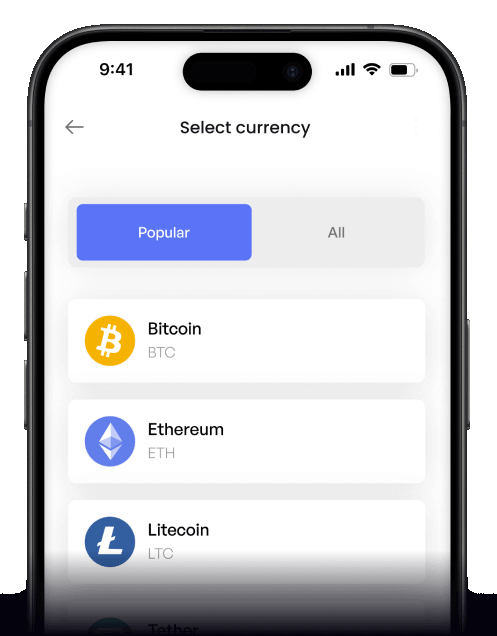
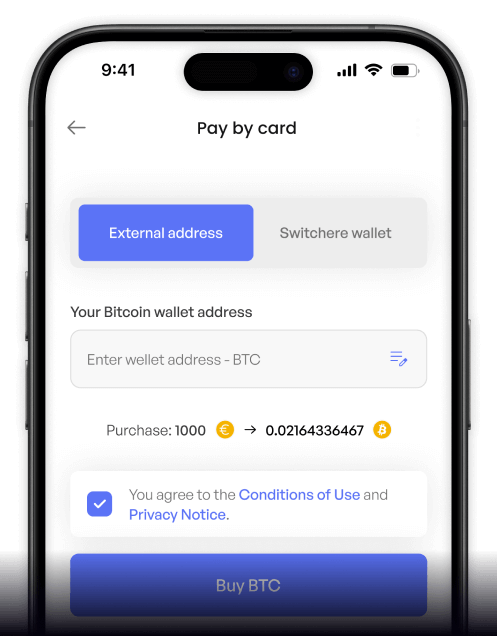
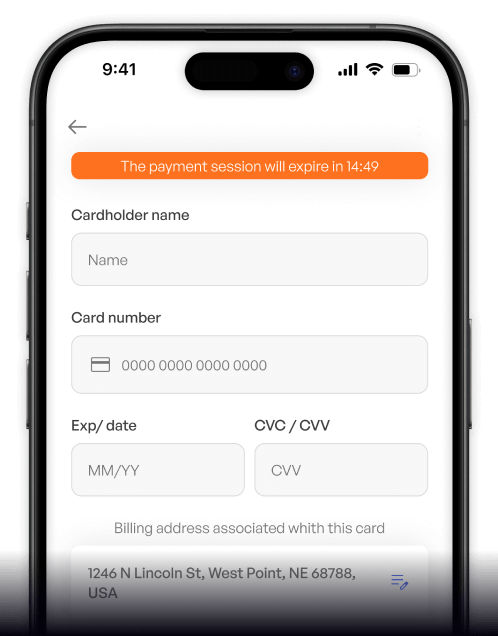
 Step-by-step guidance
 Easy credit card payments
 Streamlined purchase process
 Web
Web
Popular Coins for Korean Won (KRW)




Other Coins for Korean Won (KRW)









Frequently asked questions
-
What is the primary method for buying Harmony (ONE) with South Korean Won (KRW)?
The most common method is using a major South Korean cryptocurrency exchange that lists the KRW/ONE trading pair. This involves creating an account, completing mandatory KYC/AML verification, and linking a real-name bank account for fiat deposits. This direct fiat on-ramp provides a streamlined way to convert your KRW into the ONE digital asset. -
What are the technical advantages of Harmony (ONE) that attract KRW traders?
Traders are attracted to Harmony's high-performance architecture. Its use of a sharding protocol enables parallel transaction processing, leading to high throughput and 2-second transaction finality. Furthermore, its Effective Proof-of-Stake (EPoS) consensus mechanism provides security while enabling staking, and its EVM compatibility makes it a hub for decentralized applications (dApps), creating utility and demand for the ONE token. -
Are there specific fees to consider when trading the KRW/ONE pair?
Yes. You will typically encounter three types of fees: 1) Deposit/withdrawal fees for moving KRW between your bank and the exchange. 2) Trading fees on the exchange, which can be a flat percentage for makers and takers. 3) The Harmony network's blockchain transaction fee if you move your ONE tokens to a personal digital wallet. Notably, Harmony is known for its extremely low transaction fees, making on-chain transfers very cost-effective. -
How can I securely store my Harmony (ONE) after a KRW purchase?
For optimal security, it is highly recommended to move your ONE digital asset from the exchange to a non-custodial digital wallet where you control the private keys. Options range from software wallets to hardware wallets, with hardware wallets offering the highest level of security against online threats. Always back up your seed phrase offline and never share it. -
Besides trading, what can I do with ONE tokens after acquiring them via a KRW on-ramp?
Harmony's ecosystem offers several utilities. You can participate in network security and earn rewards by staking your ONE tokens with a validator through its Effective Proof-of-Stake (EPoS) system. You can also use ONE to pay for transaction fees while interacting with a growing number of decentralized applications (dApps) built on its EVM-compatible sharded blockchain, or use the Horizon bridge for cross-chain functionality.

Buy on the go
Anywhere. Anytime.
Buy crypto with your credit card from anywhere. Live rates, transparent fees, and 3D Secure on every order - the full Switchere card-buy experience in your pocket.



Scan to download the app iOS and Android

