


Convert
Korean Won (KRW) to Hooked Protocol (HOOK) Instantly


Purchase Hooked Protocol (HOOK) with Korean Won (KRW) easily at Switchere and benefit from fast, secure transactions.
About
Hooked Protocol (HOOK)
Hooked Protocol (HOOK) is a pioneering Web3 gamified social learning platform designed to accelerate mass adoption of blockchain technology. It functions as a crucial onboarding ramp, aiming to educate and guide billions of users from Web2 into the decentralized Web3 ecosystem. The protocol tackles the steep learning curve often associated with digital assets by integrating gamified learning experiences and incentivized participation through its innovative Learn-to-Earn model. This approach transforms education into an engaging journey, making complex blockchain concepts accessible to a mainstream audience.
Built on the BNB Chain, the platform utilizes a dual-token model to power its ecosystem. The primary utility token is HGT (Hooked Gold Token), which rewards users for completing educational tasks. The HOOK token serves as the core governance token, granting holders voting rights on the future direction of the protocol. Furthermore, HOOK is utilized for gas fees within its application layer infrastructure, for staking to earn rewards, and to gain exclusive access to special events and limited-edition NFTs. By creating a seamless and rewarding entry point, Hooked Protocol establishes itself as a foundational Web3 infrastructure layer focused on community growth and education.

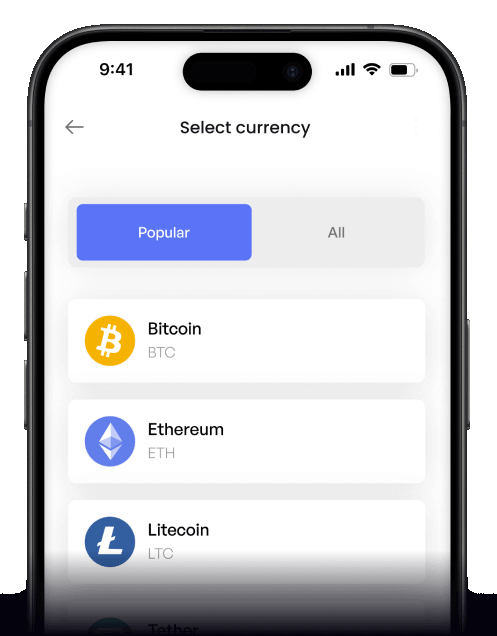
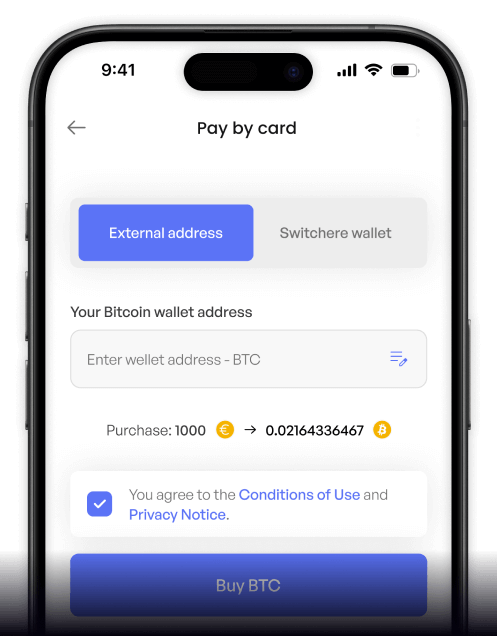
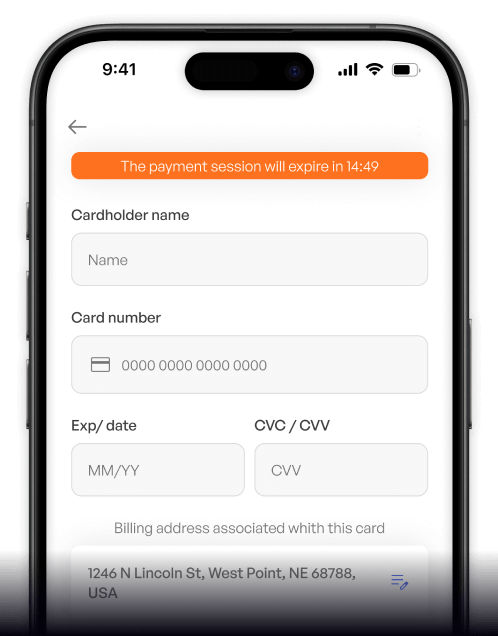
How to Buy Hooked Protocol (HOOK)
 Step-by-step guidance
 Easy credit card payments
 Streamlined purchase process
 Web
Web
Popular Coins for Korean Won (KRW)




Other Coins for Korean Won (KRW)








Frequently asked questions
-
What is the KRW/HOOK trading pair and its significance in the South Korean market?
The KRW/HOOK pair allows users to directly purchase Hooked Protocol's native token, HOOK, using the South Korean Won (KRW). Its significance lies in providing a direct fiat on-ramp for Korean users to access the Hooked Protocol's Web3 gamified social learning ecosystem without needing to first convert KRW to another cryptocurrency like BTC or ETH. This simplifies entry into its application layer and dApp ecosystem. -
What are the common steps to buy HOOK with KRW on a South Korean cryptocurrency exchange?
First, select a regulated South Korean cryptocurrency exchange that lists the KRW/HOOK pair. You'll need to complete the platform's KYC/AML (Know Your Customer/Anti-Money Laundering) verification. After approval, deposit KRW into your exchange account, typically via a linked domestic bank transfer. Navigate to the KRW/HOOK order book, place a market or limit order for the desired amount of HOOK, and execute the trade. -
What is the primary token utility of HOOK within its Web3 ecosystem?
The HOOK token serves multiple functions within the Hooked Protocol ecosystem. It acts as a governance token, allowing holders to vote on proposals. It is also the gas token for transactions on the protocol's application-specific infrastructure. Furthermore, HOOK is used for accessing exclusive content, community events, and special NFT claims, driving engagement in its gamified social learning platform. -
What types of fees are associated with trading the KRW/HOOK pair?
When trading KRW for HOOK, expect several potential fees. First, there may be a deposit fee for funding your account with KRW via bank transfer. Second, the cryptocurrency exchange will charge a trading fee, typically a small percentage of the transaction value, which can differ for market makers and takers. Finally, if you move your HOOK tokens to an external digital wallet, a network withdrawal fee will apply. -
How can I securely store my HOOK tokens after purchasing them with Korean Won?
For optimal security, it is highly recommended to move your HOOK tokens from the cryptocurrency exchange to a non-custodial digital wallet where you control the private keys. Options range from software wallets (mobile or desktop apps) for frequent use to hardware wallets (physical devices) for long-term, cold storage. This practice of self-custody minimizes the risk of loss from exchange-related security breaches.

Buy on the go
Anywhere. Anytime.
Buy crypto with your credit card from anywhere. Live rates, transparent fees, and 3D Secure on every order - the full Switchere card-buy experience in your pocket.



Scan to download the app iOS and Android

