Convert
Korean Won (KRW) to Ethereum (ETH) Instantly

Purchase Ethereum (ETH) with Korean Won (KRW) easily at Switchere and benefit from fast, secure transactions.
KRW
KRW
Bank card
ETH
Ethereum (ETH)
Crypto
Buy Ethereum

About
Ethereum (ETH)

Ethereum is a blockchain platform designed to build decentralized applications (dApps) using smart contracts. Ether (ETH), its native cryptocurrency, is the second largest crypto by market cap. It’s used to pay for transaction fees (gas), run dApps, and execute smart contracts. Ether also plays a key role in decentralized finance (DeFi), staking, NFTs, and decentralized exchanges.

Ethereum (ETH)

Buy Other 150+ Cryptocurrencies for Korean Won (KRW)

Other Coins for Korean Won (KRW)

How to Buy Ethereum (ETH)

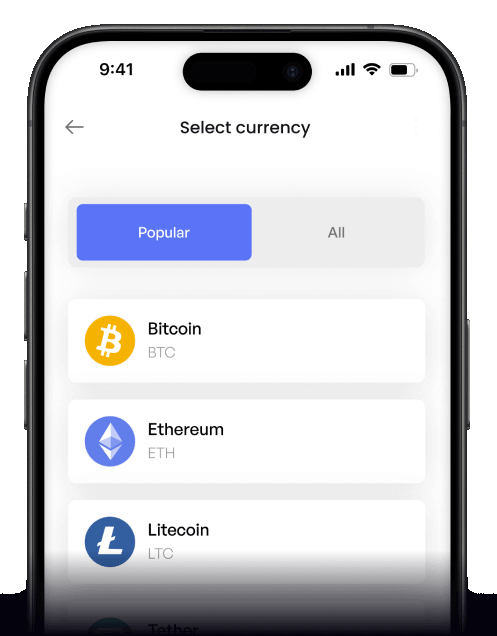
  1. Select currency menu

    Choose KRW to ETH Pair

    Select your preferred payment method and enter the amount.

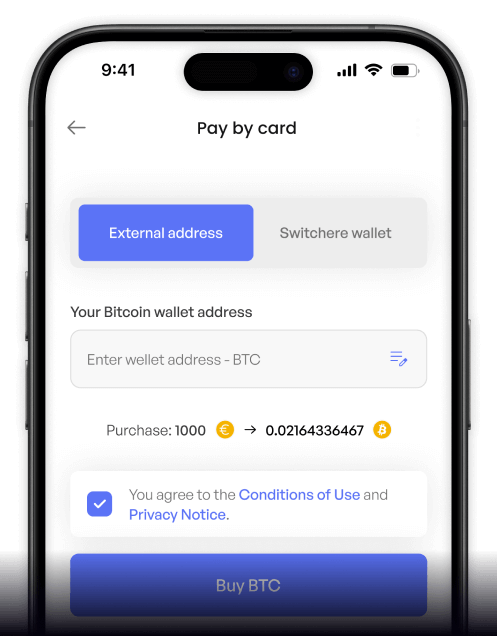
  2. Crypto address page

    Enter Your Ethereum Wallet Address

    Provide your ETH wallet address and proceed with the payment.

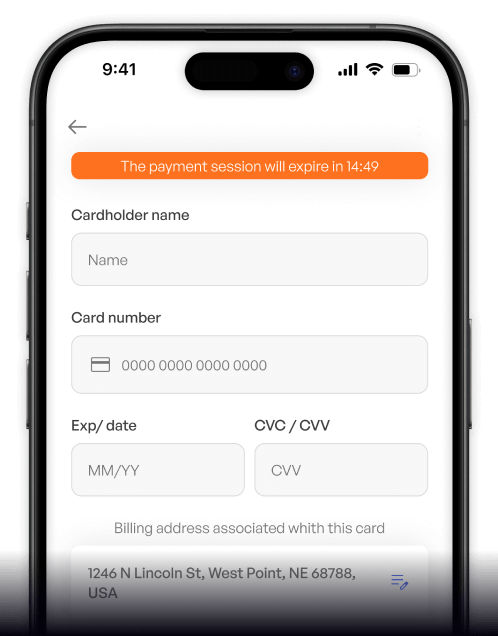
  3. Confirmation page

    Receive Your Ethereum

    Complete the payment, and your ETH will be sent to your wallet.

Frequently Asked Questions

  • What is the primary method for purchasing Ethereum (ETH) with South Korean Won (KRW)?

    The most common method is through a major South Korean cryptocurrency exchange that offers a direct KRW fiat on-ramp. Users must typically complete a thorough KYC/AML verification process and link a real-name verified South Korean bank account for KRW deposits, which can then be used to purchase ETH on the exchange's order book.

  • After buying ETH with KRW, how do Ethereum gas fees work when transferring to a digital wallet?

    Gas fees are transaction costs on the Ethereum blockchain, paid in ETH (denominated in Gwei), not KRW. When you withdraw ETH from a Korean exchange to a self-custody digital wallet, a blockchain transaction is initiated. The fee amount depends on network congestion, not the KRW value of your purchase. Using Layer-2 scaling solutions can sometimes offer lower transaction costs.

  • What are the typical KYC requirements for KRW to ETH transactions in South Korea?

    South Korea has stringent KYC/AML regulations. To trade KRW for ETH, you must use a regulated cryptocurrency exchange and complete a multi-level verification. This includes providing government-issued ID, proof of address, and critically, linking a real-name bank account from a partnered local bank. This ensures all fiat gateway transactions are traceable and compliant.

  • Why is the KRW/ETH trading pair significant in the global crypto market?

    The KRW/ETH pair often exhibits high trading volume, reflecting South Korea's strong interest in the Ethereum ecosystem. This includes dApps, DeFi, and NFTs built on its smart contract platform. The high liquidity on Korean exchanges makes it a key market for Ethereum's price discovery and indicates a robust user base actively engaging with the Ethereum Virtual Machine (EVM) and its various ERC-20 tokens.

  • Can I participate in Ethereum staking with ETH purchased via a KRW on-ramp?

    Yes, absolutely. Once you acquire ETH, regardless of the fiat currency used, it is a fungible digital asset on the Ethereum network. You can stake it directly from your exchange account if they offer the service, or transfer it to a personal wallet to participate in staking pools or run your own validator node to help secure Ethereum's Proof-of-Stake (PoS) consensus mechanism.

  • What is the most secure way to store ETH after a KRW purchase?

    For long-term holding, the most secure method is to transfer your ETH from the exchange to a self-custody digital wallet where you control the private keys. Hardware wallets (cold storage) are considered the gold standard for security as they keep your private keys offline. This protects your digital asset from online threats like exchange hacks. Always back up your seed phrase securely.

Our website uses cookies. Our Cookie Policy