


Convert
Indian Rupee (INR) to THORChain (RUNE) Instantly


Purchase THORChain (RUNE) with Indian Rupee (INR) easily at Switchere and benefit from fast, secure transactions.
About
THORChain (RUNE)
THORChain (RUNE) is a decentralized liquidity protocol built to facilitate cross-chain swaps of native digital assets in a permissionless, non-custodial manner. Operating as an independent Layer-1 blockchain using the Cosmos SDK and Tendermint consensus mechanism, it enables users to exchange cryptocurrencies like native Bitcoin for native Ethereum without relying on wrapped tokens or centralized intermediaries. This is a crucial piece of Web3 infrastructure designed to solve the problem of fragmented liquidity across disparate blockchain ecosystems. The network's architecture is centered around Continuous Liquidity Pools (CLPs), where liquidity providers deposit assets alongside the native utility token, RUNE.
The RUNE token is integral to the protocol's tokenomics and security. It serves four key functions: acting as the base pairing asset in all liquidity pools, providing the economic bond for node operators to ensure network security (a form of Sybil resistance), functioning as the settlement currency for all swaps, and being used for on-chain governance. This design creates a deterministic value for RUNE based on the total liquidity locked in the network. By connecting chains through its Bifrost Protocol, THORChain stands as a fundamental pillar for seamless interoperability and native asset settlement within the broader DeFi applications landscape.

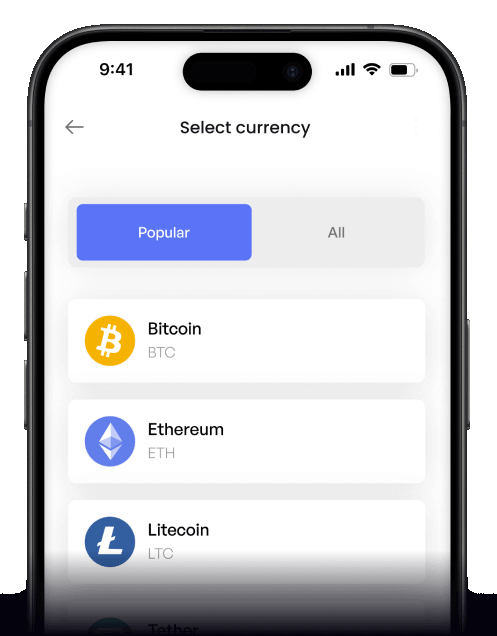
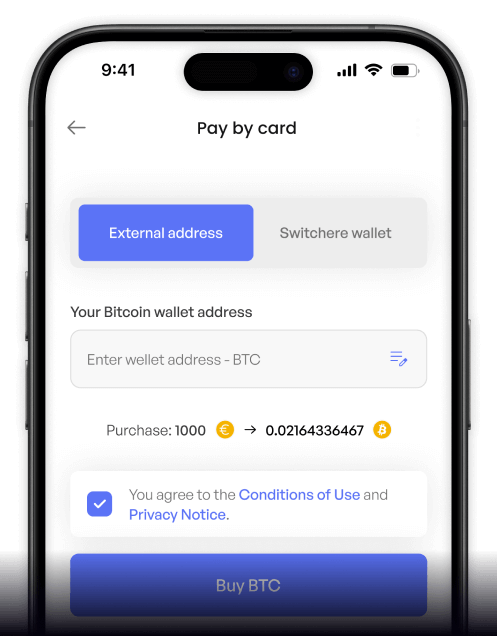
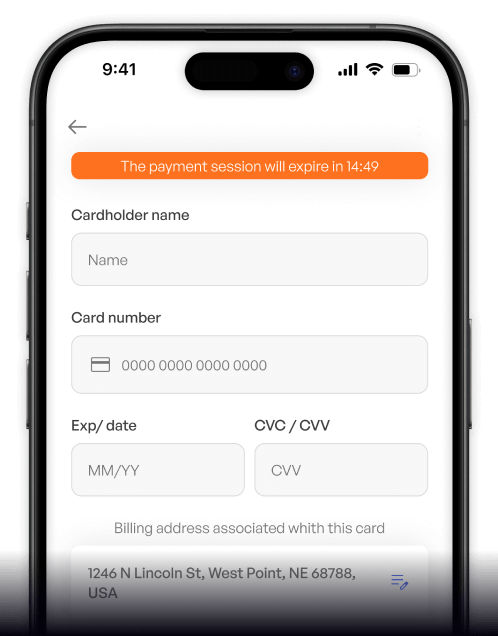
How to Buy THORChain (RUNE)
 Step-by-step guidance
 Easy credit card payments
 Streamlined purchase process
 Web
Web
Popular Coins for Indian Rupee (INR)




Other Coins for Indian Rupee (INR)








Frequently asked questions
-
What is the most common way to buy THORChain (RUNE) with Indian Rupees (INR)?
Direct INR to RUNE purchases are rare. The standard method for Indian investors is a two-step process: first, use a regulated Indian cryptocurrency exchange and a common payment method like UPI or bank transfer to buy a major digital asset such as BTC, ETH, or a stablecoin. Second, transfer this asset to a digital wallet or an international exchange that lists RUNE and perform a swap. This approach allows access to THORChain's cross-chain liquidity protocol. -
How does THORChain's protocol facilitate trades involving assets purchased with INR?
THORChain is a cross-chain liquidity protocol, not a direct fiat on-ramp. When you swap an asset (like USDT bought with INR) for another native asset (like native BTC) on THORChain, the protocol uses its Continuous Liquidity Pools (CLPs). Every trade routes through RUNE (e.g., USDT -> RUNE -> BTC), making RUNE the core settlement asset. This allows for decentralized, non-custodial swaps of native layer-1 assets without requiring wrapped tokens or bridges. -
What are the KYC/AML considerations for an INR to RUNE transaction path?
The KYC/AML compliance stage primarily occurs at the fiat on-ramp. When you use a regulated Indian exchange to purchase crypto with INR via UPI or bank transfer, you must complete their identity verification process. Once you move your assets to a self-custody digital wallet to interact with the decentralized THORChain protocol, no further KYC is typically required as you are operating in a non-custodial environment. However, any off-ramping back to INR will again require KYC. -
What is the strategic advantage of using RUNE for cross-chain swaps from India?
The primary advantage is the ability to swap native assets directly. After the initial INR-to-crypto purchase, an Indian user can use THORChain to swap for native Bitcoin (on the Bitcoin blockchain), not a wrapped version like WBTC. This capability, secured by active validator nodes and the Bifröst Protocol, eliminates the risks associated with centralized bridges and wrapped tokens, providing a more decentralized and secure method for portfolio diversification across different blockchains. -
Are there P2P INR options available to acquire assets for swapping on THORChain?
Yes, several major exchanges operating in India offer robust Peer-to-Peer (P2P) marketplaces. On these platforms, you can use INR to directly buy stablecoins (like USDT) or other cryptocurrencies from other users. Once you acquire the digital asset via a P2P INR transaction, you can withdraw it to your self-custody wallet and then connect to a THORChain interface to perform native asset swaps.

Buy on the go
Anywhere. Anytime.
Buy crypto with your credit card from anywhere. Live rates, transparent fees, and 3D Secure on every order - the full Switchere card-buy experience in your pocket.



Scan to download the app iOS and Android

