


Convert
Indian Rupee (INR) to Convex Finance (CVX) Instantly


Purchase Convex Finance (CVX) with Indian Rupee (INR) easily at Switchere and benefit from fast, secure transactions.
About
Convex Finance (CVX)
Convex Finance (CVX) operates as a pivotal DeFi protocol on the Ethereum blockchain, specifically engineered to optimize yield generation for Curve Finance (CRV) liquidity providers and CRV stakers. The platform's primary purpose is to allow users to access boosted CRV rewards without the necessity of personally locking substantial CRV for veCRV. Convex achieves this by aggregating CRV deposits from its users, converting them into veCRV, and strategically allocating this collective voting power to maximize CRV emissions for its integrated liquidity pools. This innovative approach within its smart contract architecture democratizes higher DeFi yields within the decentralized network.
The CVX token is central to the Convex Finance ecosystem, serving as both a utility and governance token. Holders can stake CVX to receive a proportional share of the platform's revenue, which is generated from performance fees on the boosted CRV earnings; this staking mechanism provides a direct incentive. Moreover, CVX token holders possess governance rights, enabling them to influence key protocol decisions and upgrades through its on-chain system. The tokenomics also incentivize liquidity for cvxCRV, a liquid staked derivative representing CRV deposited into Convex. As a dominant force in the "Curve Wars," Convex has established itself as a critical influence aggregator and yield optimization layer within the broader decentralized finance landscape, enhancing capital efficiency and shaping digital asset strategies.

How to Buy Convex Finance (CVX)
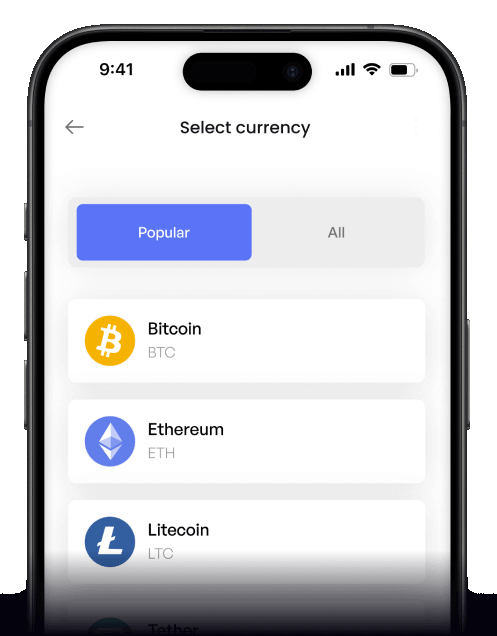
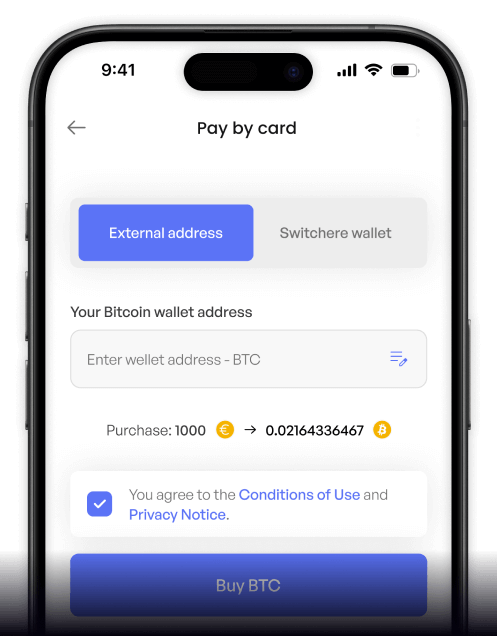
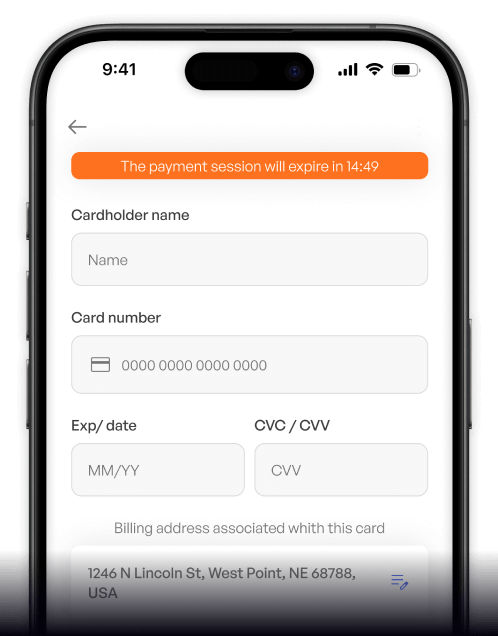
 Step-by-step guidance
 Easy credit card payments
 Streamlined purchase process
 Web
Web
Popular Coins for Indian Rupee (INR)





Other Coins for Indian Rupee (INR)





Frequently asked questions
-
What is the INR/CVX trading pair and what is its significance for DeFi users in India?
The INR/CVX pair represents the direct exchange rate between the Indian Rupee and the Convex Finance token. Its significance lies in providing a direct fiat on-ramp for users in India to acquire a key governance and utility token in the DeFi ecosystem. This allows them to participate in Convex's yield-boosting services for Curve Finance liquidity providers without needing intermediate digital asset purchases, streamlining access to advanced yield farming strategies on the Ethereum blockchain. -
What are the common methods to buy CVX with INR, like using UPI or bank transfers?
To buy CVX with Indian Rupees, you typically need a cryptocurrency exchange that supports INR deposits. The process involves completing KYC/AML compliance, then funding your account using popular Indian payment methods like UPI, IMPS, or NEFT bank transfers. Once your INR is in your exchange wallet, you can either trade it directly on an INR/CVX order book if available, or more commonly, convert INR to a stablecoin like USDT and then trade USDT for CVX. -
What are the core benefits of holding CVX tokens after an INR purchase?
Holding CVX provides several DeFi-centric benefits. The primary utility is staking your CVX to earn a share of platform fees, which are derived from Curve Finance's trading fees. Additionally, holding CVX grants you vote-locking power, allowing you to influence which liquidity pools on Curve receive boosted CRV token emissions. This effectively makes CVX a powerful tool for yield optimization within the Curve and Convex ecosystem. -
How does the relationship between Convex and Curve Finance create value for INR investors?
Convex Finance is built on top of Curve Finance to maximize yields. It achieves this by aggregating CRV tokens from liquidity providers and permanently vote-locking them to gain boosted veCRV rewards. For an INR investor, this means you can acquire CVX to access these amplified yields without needing to personally lock up large amounts of CRV for long durations. Convex simplifies the yield-boosting process, making the high-yield opportunities of the Curve ecosystem more accessible. -
What fees should I anticipate when conducting an INR to CVX blockchain transaction?
When converting INR to CVX, you'll encounter several potential fees. First, there may be a deposit fee for adding INR to an exchange via UPI or bank transfer. Second, the cryptocurrency exchange will charge a trading fee for the conversion itself. Finally, since CVX is an ERC-20 token, moving it from the exchange to a self-custody digital wallet will incur a network withdrawal fee, which is dictated by Ethereum's current gas fees (measured in Gwei). This gas fee is crucial for processing the blockchain transaction securely.

Buy on the go
Anywhere. Anytime.
Buy crypto with your credit card from anywhere. Live rates, transparent fees, and 3D Secure on every order - the full Switchere card-buy experience in your pocket.



Scan to download the app iOS and Android

