


- Startseite
- Konverter
- Indian Rupee (INR) zu NEAR Protocol (NEAR)

Konvertieren
Indian Rupee (INR) zu NEAR Protocol (NEAR) Sofort


Kaufen Sie NEAR Protocol (NEAR) mit Indian Rupee (INR) einfach bei Switchere und profitieren Sie von schnellen und sicheren Transaktionen.
Über
NEAR Protocol (NEAR)
Das NEAR Protocol ist eine dezentrale Entwicklungsplattform, die auf einer geshardeten Proof-of-Stake (PoS) Layer-1-Blockchain betrieben wird. Es wurde entwickelt, um das Blockchain-Trilemma zu lösen, indem es sich auf Skalierbarkeit, niedrige Transaktionskosten und überlegene Benutzerfreundlichkeit konzentriert. Die Kerninnovation ist Nightshade-Sharding, ein dynamisches Design, das die Berechnung über mehrere Shards parallelisiert und es dem Netzwerk ermöglicht, seine Kapazität zu skalieren, wenn mehr Knoten beitreten. Diese Architektur, gekoppelt mit dem Doomslug-Konsensmechanismus, gewährleistet eine schnelle Transaktionsfinalität und starke kryptografische Sicherheit. Als grundlegende Web3-Infrastruktur bietet NEAR eine leistungsstarke, kohlenstoffneutrale Umgebung für die Erstellung und Bereitstellung leistungsfähiger dezentraler Anwendungen (dApps).
NEAR legt großen Wert auf die Entwickler- und Benutzererfahrung und bietet menschenlesbare Kontonamen, die On-Chain-Interaktionen durch den Ersatz komplexer Wallet-Adressen vereinfachen. Die Plattform senkt die Eintrittsbarriere für Web2-Entwickler durch die Unterstützung bekannter Programmiersprachen wie Rust und AssemblyScript. Der native Utility-Token, NEAR, ist ein integraler Bestandteil seiner Tokenomics und wird zur Bezahlung von Transaktionsgebühren und Datenspeicherung, zum Staking zur Teilnahme an der Netzwerksicherheit und als Governance-Token für Protokoll-Upgrades verwendet. Mit Interoperabilitätslösungen wie der Rainbow Bridge zu Ethereum und der Aurora EVM für Kompatibilität etabliert sich NEAR als umfassendes und benutzerfreundliches Tor zu DeFi und dem breiteren Web3-Ökosystem.

Wie man NEAR Protocol (NEAR) kauft
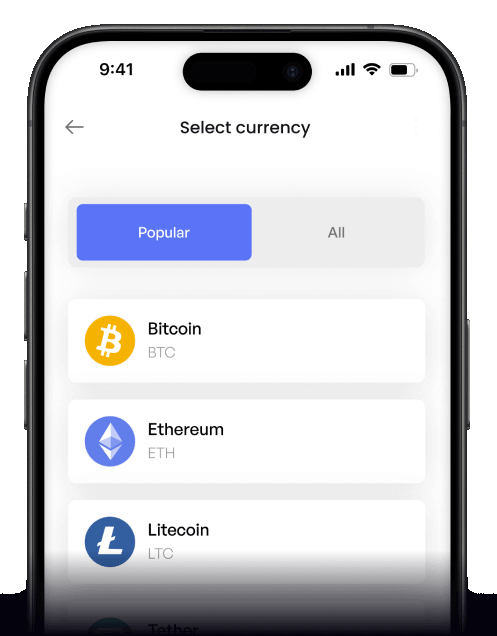
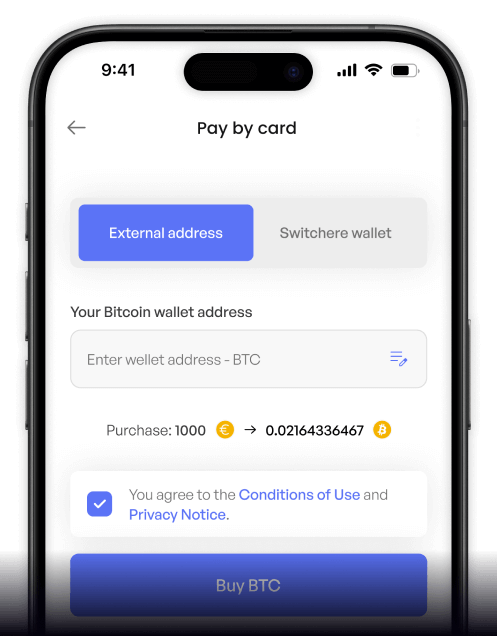
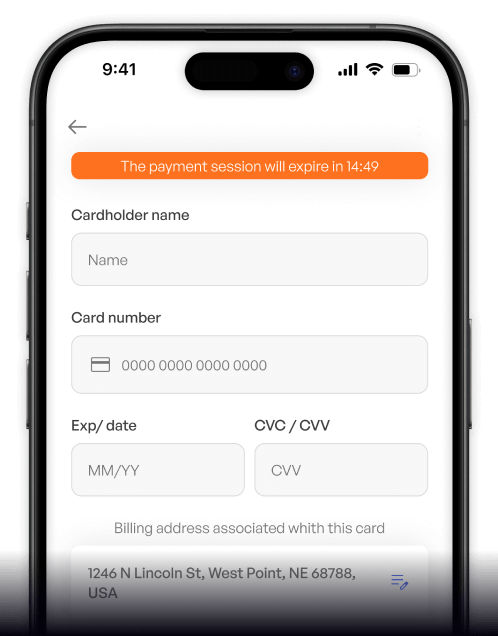
 Schritt-für-Schritt-Anleitung
 Einfache Zahlungen mit Kreditkarte
 Rationalisierter Kaufprozess
 Web
Web
Beliebte Münzen für Indian Rupee (INR)





Andere Münzen für Indian Rupee (INR)









Häufig gestellte Fragen
-
Was ist der gängigste Weg, NEAR Protocol (NEAR) mit Indischen Rupien (INR) zu kaufen?
Die gebräuchlichste Methode ist über eine zentralisierte Kryptowährungsbörse, die in Indien tätig ist und ein INR/NEAR-Handelspaar anbietet. Benutzer durchlaufen in der Regel eine KYC/AML-Prüfung und nutzen dann eine Fiat-On-Ramp über beliebte indische Zahlungsmethoden wie UPI, IMPS oder NEFT-Banküberweisungen, um Indische Rupien einzuzahlen. Sobald das Konto aufgeladen ist, können sie eine Order auf dem Spotmarkt platzieren, um das digitale Asset NEAR zu erwerben. -
Welche technischen Vorteile bietet das NEAR Protocol im Vergleich zu anderen Blockchains beim Kauf mit INR?
Das NEAR Protocol ist durch seine einzigartige 'Nightshade'-Sharding-Technologie auf hohe Skalierbarkeit und niedrige Transaktionskosten ausgelegt. Für einen INR-Anleger bedeutet dies eine schnellere Transaktionsfinalität und deutlich niedrigere Netzwerkgebühren im Vergleich zu vielen Layer-1s. Darüber hinaus machen die Verwendung von menschenlesbaren Kontonamen (z. B. 'deinname.near') und die Unterstützung von Smart Contracts in Rust/AssemblyScript es sehr entwicklerfreundlich und fördern ein wachsendes Ökosystem von dApps. -
Kann ich nach dem Kauf von NEAR mit INR mit dem Ethereum-Ökosystem interagieren?
Ja, das NEAR Protocol verbessert die Interoperabilität mit Ethereum über die Rainbow Bridge, eine trustless Brücke zum Übertragen von ERC-20-Token und anderen Vermögenswerten. Darüber hinaus hostet NEAR Aurora, eine Kompatibilitätsschicht für die Ethereum Virtual Machine (EVM). Dies ermöglicht es Entwicklern, ihre Ethereum-dApps auf NEAR bereitzustellen, um von dessen höherem Durchsatz und niedrigeren Gebühren zu profitieren, und gibt den Benutzern direkten Zugang zu einem breiteren dezentralen Finanzökosystem. -
Welche Art von Gebühren sollte ich bei der Umrechnung von INR in NEAR erwarten?
Es gibt in der Regel drei Arten von Gebühren. Erstens eine Einzahlungsgebühr für Ihre Indischen Rupien, obwohl viele indische Börsen kostenlose Einzahlungen über UPI anbieten. Zweitens eine Handelsgebühr an der Kryptowährungsbörse, die normalerweise ein kleiner Prozentsatz Ihres Handelswerts ist. Drittens, sobald Sie NEAR besitzen, fällt für jede On-Chain-Transaktion (wie das Senden an eine private digitale Wallet oder das Staking von NEAR) eine Netzwerkgebühr an. Die Architektur von NEAR, einschließlich des Doomslug-Konsenses, ist jedoch darauf ausgelegt, diese Netzwerkgebühren sehr niedrig zu halten. -
Gibt es in Indien spezielle KYC-Anforderungen für INR-zu-NEAR-Transaktionen?
Ja, jede seriöse Kryptowährungsbörse in Indien, die eine Fiat-On-Ramp für Indische Rupien (INR) anbietet, verlangt von Ihnen, dass Sie einen gründlichen Know Your Customer (KYC)- und Anti-Money Laundering (AML)-Prozess durchlaufen. Dies beinhaltet in der Regel die Vorlage Ihrer PAN-Karte, Aadhaar-Karte zur Identitäts- und Adressüberprüfung und manchmal auch eines Kontoauszugs. Dies ist ein obligatorischer regulatorischer Schritt für sichere und konforme Käufe von digitalen Vermögenswerten.

Unterwegs kaufen
Überall. Jederzeit.
Kaufen Sie Kryptowährungen mit Ihrer Kreditkarte von überall aus. Aktuelle Kurse, transparente Gebühren und 3D Secure bei jeder Bestellung – das komplette Switchere-Erlebnis beim Kauf mit Kreditkarte immer griffbereit.



Scannen Sie den QR-Code, um die App für iOS und Android herunterzuladen

