


Convert
Indian Rupee (INR) to Ethereum Classic (ETC) Instantly


Purchase Ethereum Classic (ETC) with Indian Rupee (INR) easily at Switchere and benefit from fast, secure transactions.
About
Ethereum Classic (ETC)
Ethereum Classic (ETC) is the continuation of the original Ethereum blockchain, steadfastly upholding the principle of immutability following the 2016 DAO hack, which led to the network split. This decentralized network maintains its commitment to a Proof-of-Work (PoW) consensus mechanism, currently utilizing the Etchash algorithm, to ensure robust cryptographic security and validate transactions on its digital ledger. As a foundational smart contract platform, Ethereum Classic supports the development and execution of decentralized applications (dApps), providing a permissionless environment for developers to build a wide array of on-chain solutions and leverage its Turing-complete virtual machine. The native ETC token is essential for the ecosystem, primarily serving as gas to pay for transaction fees and computational resources required for smart contract operations and peer-to-peer transfers within this Web3 infrastructure.
Beyond its utility for network operations, ETC's tokenomics are designed with a fixed supply cap, established through ECIP-1017, aiming to position it as a sound digital asset with deflationary characteristics over time, differentiating it from Ethereum's (ETH) evolving monetary policy. Ethereum Classic continues to champion the "code is law" philosophy, offering a resilient and censorship-resistant platform for various DeFi applications and digital assets. It represents an important alternative within the broader blockchain technology landscape for users and developers who prioritize unwavering chain integrity and the proven security model of Proof-of-Work for their decentralized solutions and cryptographic security needs, standing as a testament to on-chain persistence.

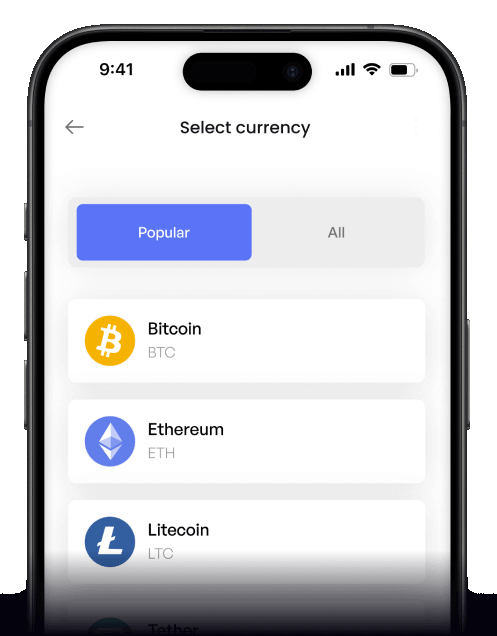
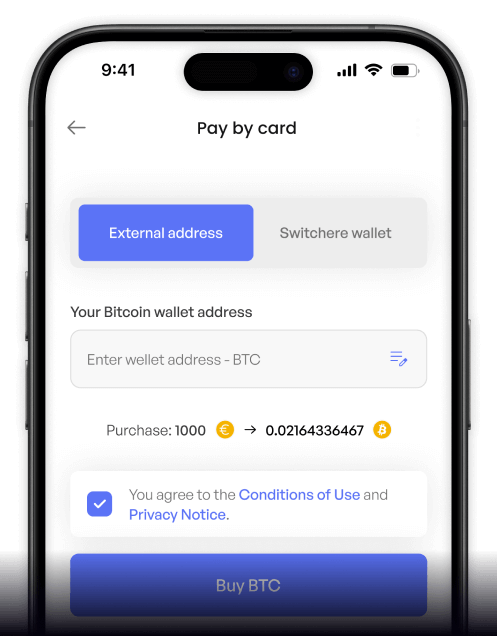
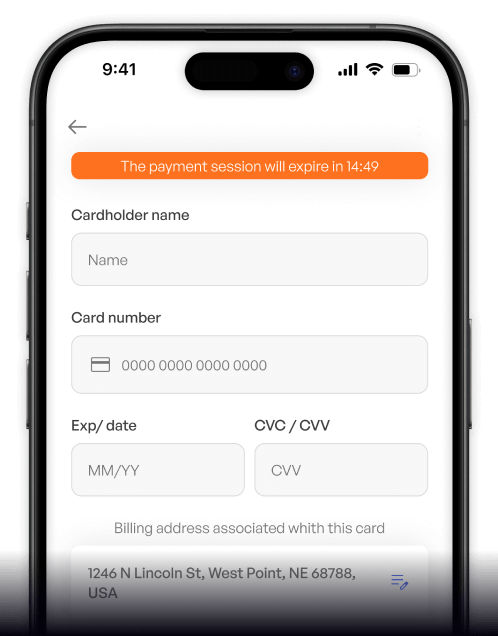
How to Buy Ethereum Classic (ETC)
 Step-by-step guidance
 Easy credit card payments
 Streamlined purchase process
 Web
Web
Popular Coins for Indian Rupee (INR)





Other Coins for Indian Rupee (INR)





Frequently asked questions
-
What is the INR/ETC trading pair and its significance?
The INR/ETC pair represents the exchange rate between the Indian Rupee (INR) and Ethereum Classic (ETC). Its significance lies in providing a direct fiat on-ramp for Indian investors into the Ethereum Classic ecosystem. ETC is the original Ethereum blockchain, upholding the principle of 'Code is Law' and operating on a secure Proof-of-Work (PoW) consensus mechanism. This pair allows users in India to directly purchase a digital asset with a fixed monetary policy without first converting INR to another currency like USD or USDT. -
What are the common methods to buy Ethereum Classic (ETC) using Indian Rupees (INR)?
To buy ETC with INR, Indian users typically use regulated cryptocurrency exchanges that offer direct INR deposits. The most common payment methods include UPI (Unified Payments Interface), IMPS, NEFT, or standard bank transfers. After completing the mandatory KYC/AML compliance checks on the exchange, you can deposit INR into your account wallet, navigate to the INR/ETC order book, and place an order to purchase the digital asset. -
How does Ethereum Classic's fixed monetary policy (ECIP-1017) benefit an INR investor?
Ethereum Classic Improvement Proposal (ECIP) 1017 established a fixed monetary policy for ETC, capping its total supply at approximately 210.7 million coins. For an investor holding a fiat currency like INR, which is subject to inflation, this capped supply makes ETC a potential store of value. Unlike inflationary assets, its scarcity is mathematically guaranteed on the blockchain, providing a quality similar to Bitcoin as a hedge against currency devaluation. -
What type of dApps can I interact with after acquiring ETC through an INR transaction?
Once you have ETC in a secure digital wallet, you can interact with a variety of decentralized applications (dApps) built on the Ethereum Classic network. This includes DeFi protocols for lending and borrowing, NFT marketplaces, decentralized exchanges (DEXs), and other applications that leverage its smart contract capabilities. Because ETC maintains the original Ethereum protocol, it supports robust and immutable smart contract execution, making it a reliable platform for dApp development and usage. -
What security measures are crucial when trading INR for ETC and storing the asset?
When trading INR for ETC, always use a reputable cryptocurrency exchange with strong security features like two-factor authentication (2FA). For storing your ETC long-term, it is highly recommended to move it off the exchange into a non-custodial digital wallet where you control the private keys. A hardware wallet offers the highest level of security against online threats. Always double-check wallet addresses before confirming a blockchain transaction and be wary of phishing scams.

Buy on the go
Anywhere. Anytime.
Buy crypto with your credit card from anywhere. Live rates, transparent fees, and 3D Secure on every order - the full Switchere card-buy experience in your pocket.



Scan to download the app iOS and Android

