


Convert
Indian Rupee (INR) to Curve DAO Token (CRV) Instantly


Purchase Curve DAO Token (CRV) with Indian Rupee (INR) easily at Switchere and benefit from fast, secure transactions.
About
Curve DAO Token (CRV)
Curve DAO Token (CRV) is the native utility and governance token for Curve Finance, a premier decentralized exchange (DEX) and automated market maker (AMM) protocol. Launched primarily on the Ethereum blockchain, Curve Finance specializes in providing extremely efficient trading and deep liquidity for stablecoins and other pegged assets, such as wrapped Bitcoin variants, by utilizing novel bonding curve algorithms designed to minimize slippage. This focus makes it a cornerstone of the decentralized finance (DeFi) ecosystem, particularly for operations requiring stable asset swaps within various DeFi applications and strategies.
The core technology behind Curve leverages smart contracts, predominantly written in Vyper for security and simplicity, to create highly concentrated liquidity pools. CRV tokens are central to the platform's tokenomics; holders can stake CRV by locking them to receive vote-escrowed CRV (veCRV). This veCRV grants holders voting power in the Curve DAO to influence protocol parameters, including directing CRV emissions to specific liquidity pools through gauge weights. Furthermore, veCRV holders are entitled to a share of the protocol's trading fees and can boost their rewards when providing liquidity. Its role in facilitating stablecoin liquidity and the competitive dynamics around its governance (often dubbed "Curve Wars") underscore its significance as a foundational on-chain digital asset and Web3 infrastructure component.

How to Buy Curve DAO Token (CRV)
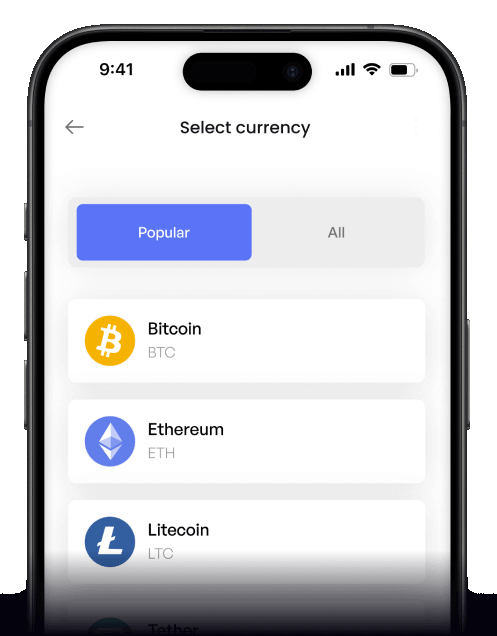
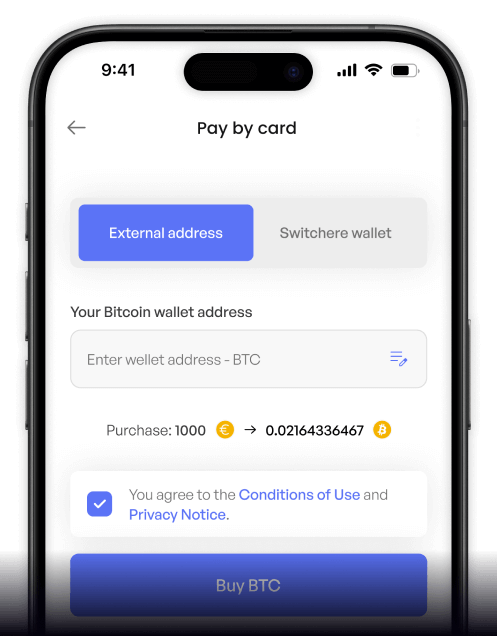
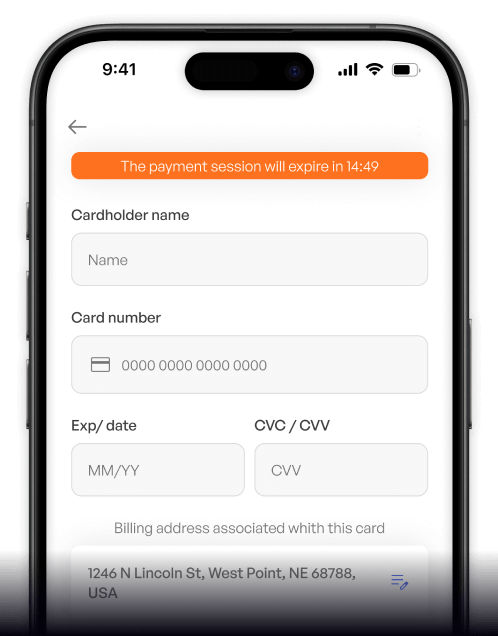
 Step-by-step guidance
 Easy credit card payments
 Streamlined purchase process
 Web
Web
Popular Coins for Indian Rupee (INR)




Other Coins for Indian Rupee (INR)




Frequently asked questions
-
What are the common methods to buy Curve DAO Token (CRV) with Indian Rupees (INR)?
To buy CRV with INR, Indian investors typically use a cryptocurrency exchange that serves as a fiat on-ramp. The most common payment methods include UPI (Unified Payments Interface), IMPS, and standard bank transfers (NEFT/RTGS). Users must complete KYC/AML compliance procedures. Once the INR is deposited, you can place an order for the CRV digital asset on the exchange's order book, giving you entry into the Curve Finance ecosystem. -
What is the primary function of CRV tokens acquired through an INR transaction?
CRV is the governance token for the Curve Finance protocol, a decentralized exchange focused on stable asset swaps with low slippage. Once you acquire CRV, you can lock it to receive veCRV (voting escrow CRV). This veCRV allows you to participate in DAO governance, boost your rewards from providing liquidity to various pools, and earn a share of the protocol's trading fees. It transforms your fiat investment into an active role within a major DeFi protocol. -
Are there specific KYC regulations when converting INR to CRV on Indian exchanges?
Yes, all reputable cryptocurrency exchanges in India that facilitate INR deposits adhere to strict KYC (Know Your Customer) and AML (Anti-Money Laundering) regulations. To perform a digital asset purchase like INR to CRV, you will typically need to provide your PAN card, Aadhaar card, and bank account details for verification. This regulatory compliance is crucial for secure trading and helps prevent illicit activities. -
What makes the INR/CRV pairing a key entry point for Indian DeFi users?
The INR/CRV pair provides a direct fiat on-ramp into Curve Finance, one of DeFi's foundational protocols specializing in an automated market maker (AMM) model for stablecoins. This allows Indian users to bypass intermediate digital asset purchases, directly acquiring a token essential for yield farming, participating in DAO governance via veCRV, and benefiting from low-slippage stable asset swaps. It's an efficient pathway from the Indian Rupee into core DeFi yield-generating activities. -
What types of fees should I expect when trading INR for CRV?
Trading INR for CRV typically involves a few potential fees. First, there may be a deposit fee for funding your exchange account with INR via UPI or bank transfer, though many platforms offer this for free. Second, the cryptocurrency exchange will charge a trading fee, usually a small percentage of your transaction value, which can vary based on your trading volume. Finally, when you withdraw your CRV tokens to a personal digital wallet, you will incur a blockchain transaction fee, which is standard for the Ethereum network.

Buy on the go
Anywhere. Anytime.
Buy crypto with your credit card from anywhere. Live rates, transparent fees, and 3D Secure on every order - the full Switchere card-buy experience in your pocket.



Scan to download the app iOS and Android

