


Convert
Indian Rupee (INR) to ConstitutionDAO (PEOPLE) Instantly


Purchase ConstitutionDAO (PEOPLE) with Indian Rupee (INR) easily at Switchere and benefit from fast, secure transactions.
About
ConstitutionDAO (PEOPLE)
ConstitutionDAO (PEOPLE) represents a landmark social experiment in the history of decentralized autonomous organizations (DAOs). Its primary purpose was to collectively raise capital using blockchain technology to purchase a rare, original copy of the U.S. Constitution at a Sotheby's auction. This initiative demonstrated the power of Web3 infrastructure for rapid, large-scale decentralized fundraising, amassing over $40 million in Ethereum in less than a week. The project operated on the Ethereum network, utilizing the Juicebox protocol for its crowdfunding smart contracts, which ensured transparency and automated treasury management.
The native digital asset, PEOPLE, was issued to contributors and functioned as a governance token, granting holders voting rights on the DAO's future decisions, such as storage and exhibition of the artifact if the bid were successful. Although the DAO was ultimately outbid, the PEOPLE token's story evolved. After the treasury was opened for refunds, the token became a symbol of community power and the potential of collective action in the digital age. It persists as a memetic token, embodying one of the most significant moments in DAO history and showcasing the on-chain coordination capabilities of a decentralized network.

How to Buy ConstitutionDAO (PEOPLE)
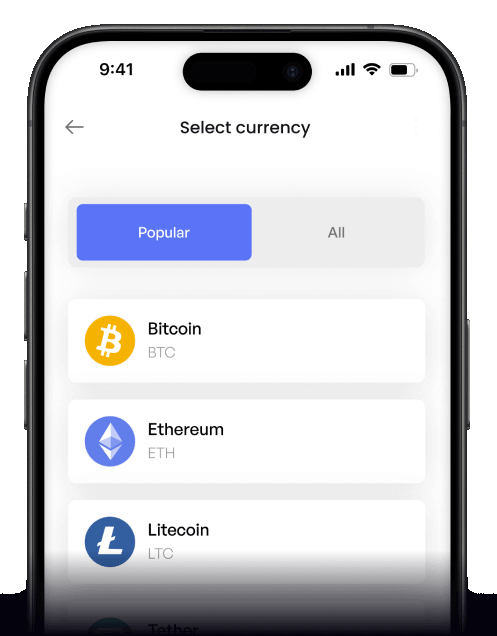
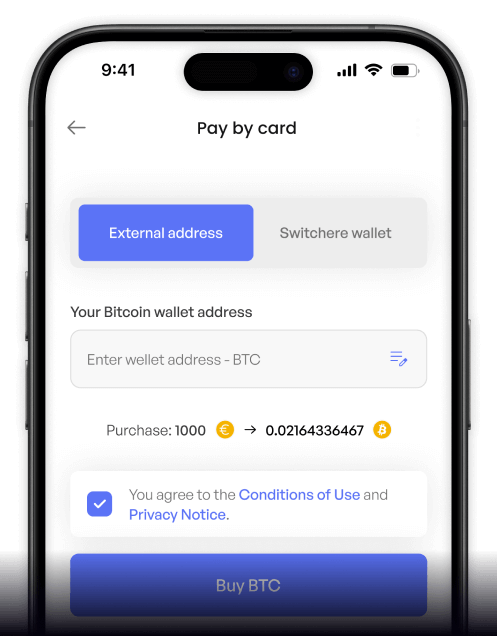
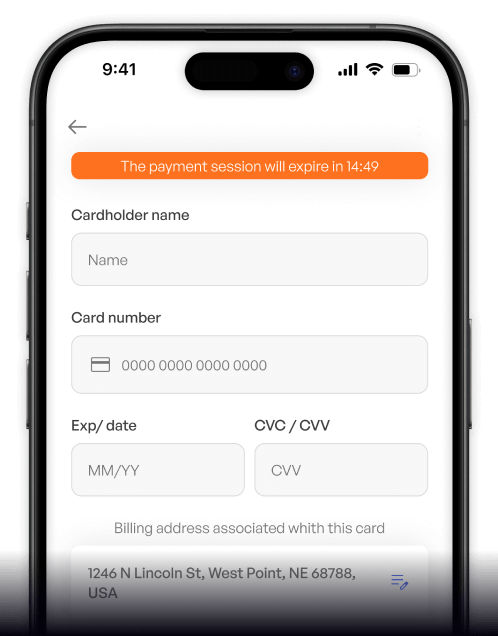
 Step-by-step guidance
 Easy credit card payments
 Streamlined purchase process
 Web
Web
Popular Coins for Indian Rupee (INR)





Other Coins for Indian Rupee (INR)










Frequently asked questions
-
What is the INR to PEOPLE trading pair and what does it represent?
The INR/PEOPLE trading pair allows you to purchase ConstitutionDAO's PEOPLE token, an ERC-20 governance token, using the Indian Rupee (INR). This pair represents a direct fiat on-ramp for Indian investors into a unique digital asset born from one of the largest decentralized autonomous organizations (DAOs) aimed at a real-world purchase. Trading this pair involves exchanging INR for PEOPLE on a cryptocurrency exchange that lists this specific market. -
What payment methods are common for buying PEOPLE with INR in India?
In India, the most common payment methods to fund a cryptocurrency exchange account for purchasing digital assets like PEOPLE include UPI (Unified Payments Interface), bank transfers via IMPS/NEFT, and P2P (peer-to-peer) trading. While direct INR/PEOPLE order books might be rare, these methods are standard for the initial fiat on-ramp to buy a base cryptocurrency like USDT or ETH, which can then be traded for PEOPLE. -
What regulatory factors, like KYC and taxes, apply when trading INR for PEOPLE in India?
When trading INR for any virtual digital asset (VDA) like PEOPLE, Indian users must comply with strict regulations. This includes mandatory KYC/AML (Know Your Customer/Anti-Money Laundering) compliance on all regulated Indian exchanges. Furthermore, profits from crypto transactions are subject to a flat tax, and a Tax Deducted at Source (TDS) is applied to each transaction, which traders must account for in their financial planning. -
What is the core function of the PEOPLE token in the crypto ecosystem?
Originally, PEOPLE was an ERC-20 governance token for ConstitutionDAO, designed to grant voting rights on the future of the U.S. Constitution copy if the bid was successful. After the bid failed, the token's utility shifted. It now primarily serves as a historical digital artifact and a symbol of a massive, community-driven DAO mobilization. It has no formal governance utility today but is traded based on its meme status and historical significance within the Web3 community. -
How can I securely store PEOPLE tokens after a successful INR purchase?
For secure storage, it is highly recommended to move your PEOPLE tokens from the cryptocurrency exchange to a personal digital wallet where you control the private keys. Since PEOPLE is an ERC-20 token, it is compatible with any Ethereum-based wallet, such as MetaMask, Trust Wallet, or hardware wallets like Ledger or Trezor for enhanced security. This practice of self-custody protects your digital assets from exchange-related risks.

Buy on the go
Anywhere. Anytime.
Buy crypto with your credit card from anywhere. Live rates, transparent fees, and 3D Secure on every order - the full Switchere card-buy experience in your pocket.



Scan to download the app iOS and Android

