


 Web
Web








TRON Coin Price Prediction: TRX Price Forecast
 Darina Perepelitza
|
Darina Perepelitza
|
Aug 31, 2026

Purchase TRON (TRX) with Indian Rupee (INR) easily at Switchere and benefit from fast, secure transactions.
TRON (TRX) is a robust blockchain-based operating system aiming to construct a truly decentralized internet and global free content entertainment system. Its primary purpose is to enable developers to create and deploy complex decentralized applications (dApps), particularly focusing on media sharing and online entertainment. TRON's architecture leverages a Delegated Proof-of-Stake (DPoS) consensus mechanism, which allows for high throughput and scalability, processing a significant number of transactions per second. This makes the TRON blockchain technology an attractive platform for high-volume dApps. The network supports smart contracts compatible with the Ethereum Virtual Machine (EVM) through its TRON Virtual Machine (TVM), facilitating easier migration for developers.
The native utility token, TRX, is integral to the TRON ecosystem. TRX is used for paying transaction fees, accessing platform resources like bandwidth and energy, and participating in the network's governance by staking TRX to vote for Super Representatives (SRs) who validate transactions and produce blocks. Furthermore, TRX serves as a medium of exchange within its burgeoning dApp landscape, which includes DeFi applications, gaming platforms, and NFT marketplaces. TRON has established itself as a significant player in the Web3 infrastructure, especially known for its active user base, TRC-20 token standard (similar to ERC-20), and its efforts in fostering a decentralized digital content ecosystem through acquisitions like BitTorrent. Its tokenomics are designed to support this expansive digital asset environment.

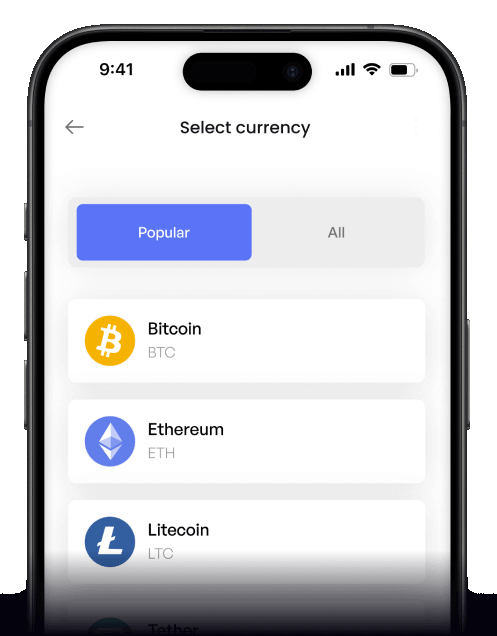
 Step-by-step guidance
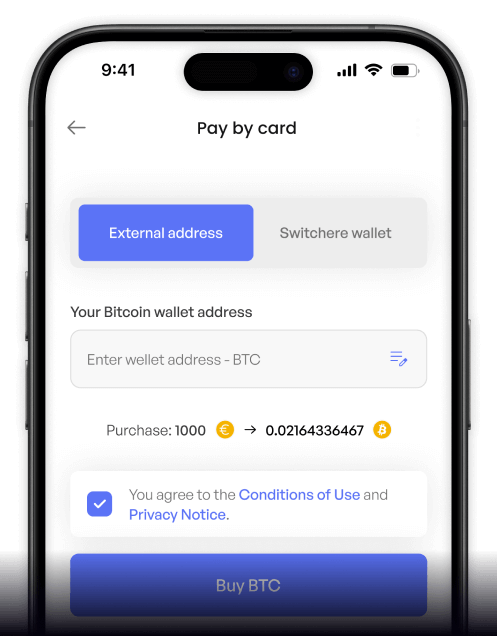
 Easy credit card payments
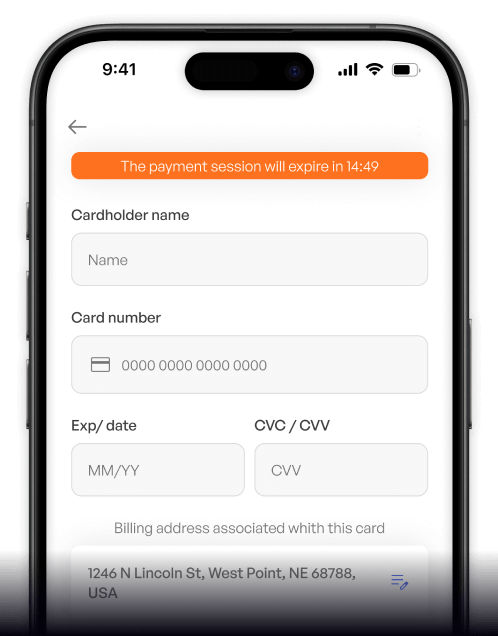
 Streamlined purchase process
Darina Perepelitza
|
Darina Perepelitza
|
Darina Perepelitza
|
Streamlined purchase process
Darina Perepelitza
|
Darina Perepelitza
|
Darina Perepelitza
|
Buy crypto with your credit card from anywhere. Live rates, transparent fees, and 3D Secure on every order - the full Switchere card-buy experience in your pocket.



Scan to download the app iOS and Android

Our website uses cookies. Our Cookie Policy
