


- Hjem
- Konverterer
- Indian Rupee (INR) til Dash (DASH)

Konverter
Indian Rupee (INR) til Dash (DASH) umiddelbart


Kjøp Dash (DASH) med Indian Rupee (INR) enkelt hos Switchere og dra nytte av raske, sikre transaksjoner.
Om
Dash (DASH)
Dash (DASH) fremstår som en banebrytende digital eiendel innen blokkjedeteknologiområdet, primært designet for å fungere som et brukervennlig, skalerbart digitalt kontantsystem. Det har som mål å adressere begrensningene til tidlige kryptovalutaer ved å tilby raskere transaksjonshastigheter og forbedrede personvernfunksjoner. Kjernen i Dashs arkitektur er det unike desentraliserte nettverket i to nivåer. Det første nivået opererer med minere som sikrer nettverket via en Proof-of-Work konsensusmekanisme som bruker X11-hashing-algoritmen. Det andre nivået består av Masternodes, som gir avanserte tjenester, kryptografisk sikkerhetsovervåking og styringsfunksjonaliteter for denne digitale hovedboken.
Viktige kjennetegn inkluderer InstantSend, som muliggjør nesten øyeblikkelige on-chain transaksjonsbekreftelser, og PrivateSend, som tilbyr brukere forbedret transaksjonspersonvern gjennom en innebygd miksemekanisme basert på CoinJoin. Disse Masternodene krever en betydelig mengde DASH som sikkerhet, noe som oppmuntrer til nettverksstabilitet og tilpasser operatørenes interesser med nettverkets helse. DASH-tokenet er et allsidig brukstoken: det fungerer som et byttemiddel for daglige betalinger, forenkler nettverkstjenester som InstantSend, fungerer som sikkerhet for Masternodes, og fungerer som et styringstoken, slik at Masternode-operatører kan stemme over budsjettforslag for Treasury-systemet. Dashs innovative selvfinansierende og selvstyrende Treasury-system, administrert av Masternode-nettverket, tildeler en del av blokkbelønningene til å finansiere prosjektutvikling og økosystemvekst, og posisjonerer det som en holdbar og tilpasningsdyktig betalingsfokusert digital eiendel innenfor den bredere Web3-infrastrukturen.
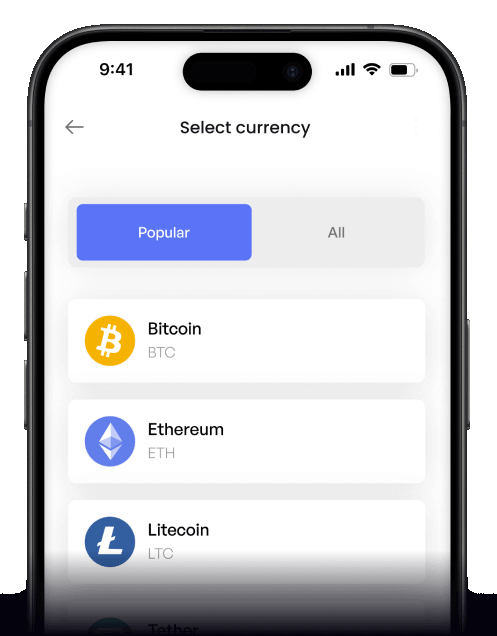
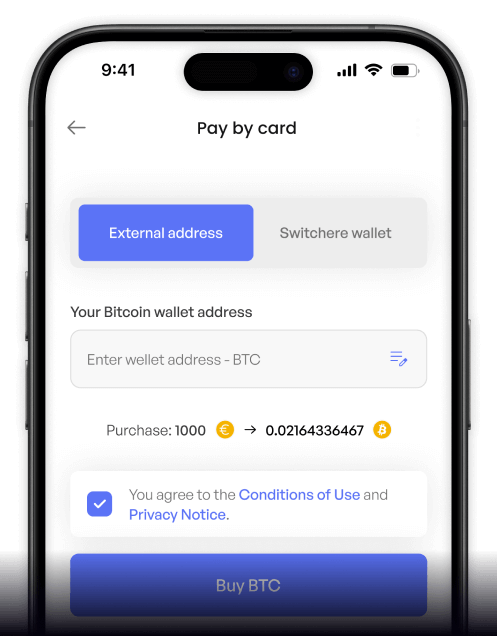
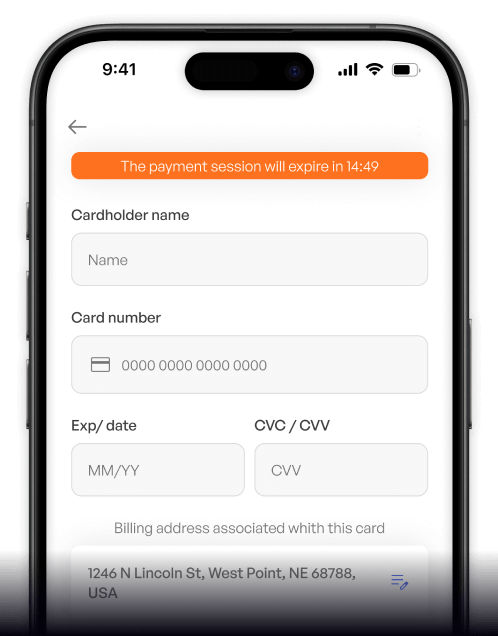
Hvordan kjøpe Dash (DASH)
 Trinn-for-trinn veiledning
 Enkle kredittkortbetalinger
 Strømlinjeformet kjøpsprosess
 Web
Web
Populære mynter for Indian Rupee (INR)




Andre mynter for Indian Rupee (INR)









Ofte stilte spørsmål
-
Hva er de primære metodene for å kjøpe Dash (DASH) med indiske rupier (INR)?
Den vanligste måten å kjøpe Dash med INR er gjennom en sentralisert kryptovalutabørs som opererer i India og tilbyr et INR/DASH-handelspar. Disse plattformene fungerer som en fiat-on-ramp, og aksepterer vanligvis INR-innskudd via Unified Payments Interface (UPI), NEFT/RTGS/IMPS-bankoverføringer. Brukere må fullføre en obligatorisk KYC/AML-verifiseringsprosess før de kan begynne å handle denne digitale eiendelen. -
Hva gjør Dashs InstantSend-funksjon verdifull for konverteringer fra INR til DASH?
Dash er designet som digitale kontanter, og InstantSend-funksjonen er en viktig differensiator. Når du konverterer INR til DASH, kan du utnytte InstantSend for blokkjedetransaksjoner som bekreftes på under to sekunder. Dette tilrettelegges av nettverkets Masternodes, som låser transaksjonsinngangene. Denne hastigheten er en betydelig fordel for brukstilfeller som pengeoverføringer eller betalingsterminaler der rask finalitet er avgjørende. -
Når du anskaffer DASH med INR, hva er rollen til Dashs DAO og Masternode-styring?
Når du har DASH, blir du en del av et økosystem styrt av en desentralisert autonom organisasjon (DAO). En del av blokkbelønningene finansierer et finansdepartement, og Masternode-operatører (som må ha 1000 DASH som sikkerhet) stemmer over forslag for å finansiere samfunnsprosjekter og videreutvikle nettverket. Denne styringsmodellen sikrer at Dash har en selvopprettholdende og selvstyrende mekanisme for langsiktig vekst. -
Er det personvernalternativer som PrivateSend tilgjengelig etter et DASH-kjøp med INR?
Ja, Dash inkluderer en valgfri personvernfunksjon kalt PrivateSend. Den bruker en metode for myntblanding basert på CoinJoin, utført av Masternodes, for å skjule opprinnelsen til midlene dine. Mens det første kjøpet ditt på en regulert indisk børs via en INR-on-ramp er underlagt KYC og ikke er privat, kan du deretter bruke PrivateSend for on-chain-transaksjoner for å forbedre personvernet til dine digitale eiendeler. -
Hvilke typer gebyrer er forbundet med INR til DASH-transaksjoner på indiske børser?
Når du konverterer INR til DASH, vil du vanligvis støte på flere gebyrer. For det første er det innskuddsgebyrer for å legge til INR på børsen, som kan variere basert på metoden (f.eks. UPI vs. NEFT). For det andre vil børsen kreve et handelsgebyr (maker- eller taker-gebyr) på ordrebokutførelsen. Til slutt, hvis du tar ut DASH til en privat digital lommebok, vil det være et lite Dash-nettverkstransaksjonsgebyr, som karakteristisk er veldig lavt for Dash, noe som forsterker bruken som digitale kontanter.

Kjøp på farten
Hvor som helst. Når som helst.
Kjøp krypto med kredittkortet ditt fra hvor som helst. Live-kurser, transparente gebyrer og 3D Secure på hver bestilling - hele Switchere-kortkjøpsopplevelsen i lommen.



Skann for å laste ned appen for iOS og Android

