1. Home
  2. Converter
  3. Tunisian dinar (TND) to EOS (EOS)

Convert
Tunisian dinar (TND) to EOS (EOS) Instantly

Purchase EOS (EOS) with Tunisian dinar (TND) easily at Switchere and benefit from fast, secure transactions.

About
EOS (EOS)

EOS (EOS) is a third-generation blockchain platform engineered using the EOSIO open-source software, designed to support the development, hosting, and execution of decentralized applications (dApps) at scale. It aims to solve the scalability and usability challenges prevalent in earlier blockchain technology by offering high transaction throughput and a flexible governance model. The core of its architecture revolves around a Delegated Proof-of-Stake (DPoS) consensus mechanism, where token holders vote for Block Producers (BPs) responsible for validating transactions and maintaining the decentralized network. This system is designed to enable faster block times and significantly higher transactions per second compared to many proof-of-work networks.

A key distinguishing feature of EOS is its resource-based model, where holding and staking EOS tokens grants users and developers proportional access to network resources like CPU (computation) and NET (bandwidth), rather than requiring per-transaction gas fees. RAM, another critical resource for storing on-chain data, is traded on an open market. EOS supports smart contracts written in C++ and compiled to WebAssembly (WASM), providing a robust environment for complex dApp development. The EOS digital asset serves multiple functions: it's a utility token for accessing network resources, facilitates on-chain governance through voting for BPs and protocol amendments, and acts as a medium of exchange within its ecosystem.

EOS positions itself as a foundational Web3 infrastructure, striving to provide a developer-friendly and enterprise-grade platform. While facing a competitive landscape, its emphasis on scalability, a feeless-like user experience through resource staking, and its established smart contract capabilities allow it to support diverse DeFi applications, gaming platforms, and other on-chain solutions. The ongoing development of the EOSIO software and community-led initiatives continue to shape its role within the broader digital ledger space, focusing on enhancing performance and interoperability.

EOS (EOS)

How to Buy EOS (EOS)

swipe Step-by-step guidance
card Easy credit card payments
btn Streamlined purchase process
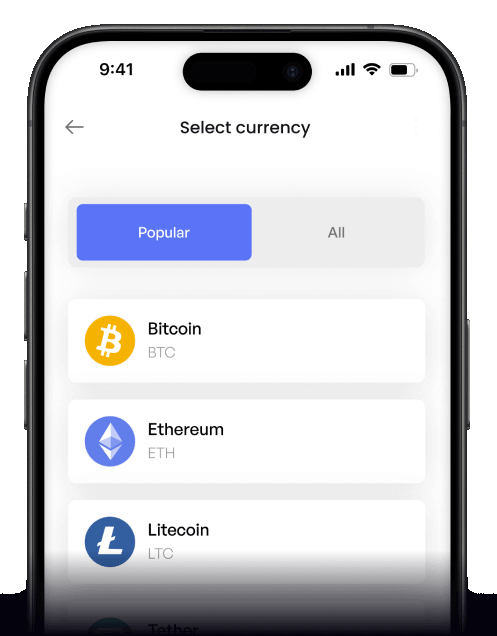
  1. Step 1 illustration
    01

    Choose TND to EOS Pair

    Select your preferred payment method and enter the amount.

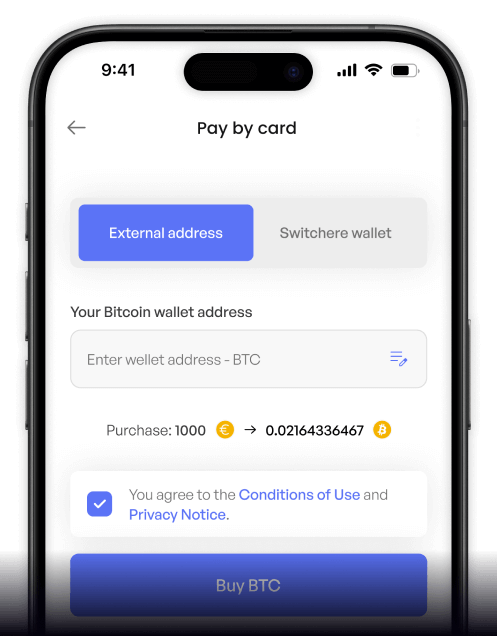
  2. Step 2 illustration
    02

    Enter Your EOS Wallet Address

    Provide your EOS wallet address and proceed with the payment.

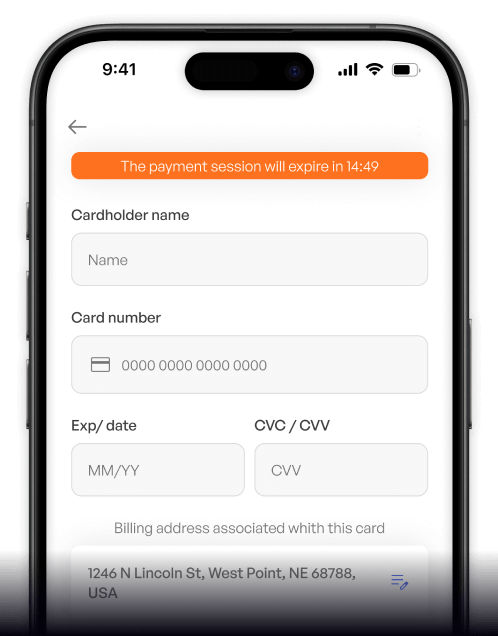
  3. Step 3 illustration
    03

    Receive Your EOS

    Complete the payment, and your EOS will be sent to your wallet.

Popular Coins for Tunisian dinar (TND)

Other Coins for Tunisian dinar (TND)

Frequently asked questions

  • What are the primary methods for purchasing EOS with Tunisian Dinar (TND)?

    Direct TND/EOS trading pairs are uncommon on major cryptocurrency exchanges. Therefore, the most common fiat on-ramp involves using peer-to-peer (P2P) platforms that connect local buyers and sellers. Another method is to convert TND to a more liquid global currency like USD or EUR through a local service, then use that to purchase the EOS digital asset on a global exchange that supports the EOSIO blockchain. Both methods require adherence to KYC/AML compliance.
  • How does the EOS Delegated Proof-of-Stake (DPoS) system benefit a user?

    The Delegated Proof-of-Stake (DPoS) consensus mechanism on the EOS network allows for high-speed, low-latency blockchain transactions. For users, this translates to faster confirmation times compared to many other chains. Additionally, EOS holders can stake their tokens to vote for Block Producers (BPs), giving them a direct role in on-chain governance and network security. This DPoS system is fundamental to the EOSIO software's goal of supporting scalable decentralized applications (dApps).
  • What is the EOS resource model and how does it affect transactions?

    Instead of charging a gas fee per transaction, EOS uses a resource model based on RAM, CPU, and NET. To execute transactions or run dApps, users must have enough EOS staked to allocate sufficient CPU (processing time) and NET (network bandwidth). RAM is used for on-chain data storage and must be purchased. For the end-user, this often means that once you have staked enough EOS, your transactions on the network are effectively feeless, a key difference from many other smart contract platforms.
  • What security measures are crucial when trading TND for EOS on P2P platforms?

    When conducting a P2P digital asset purchase, always use the platform's escrow service. This service holds your TND payment securely until the seller's EOS blockchain transaction is confirmed and the crypto is in your digital wallet. Verify the trader's reputation and transaction history. Never transact outside the platform's official system. After acquiring EOS, transfer it to a secure, non-custodial wallet where you control the private keys, and be mindful of the unique EOS account name system.
  • Why is the liquidity for a direct TND/EOS trading pair typically low?

    The liquidity for a TND/EOS pair is low primarily due to foreign exchange controls on the Tunisian Dinar and lower regional demand compared to major currencies like USD or EUR. Most high-volume cryptocurrency exchanges do not list pairs with less liquid fiat currencies. This results in wider spreads and potential slippage in an order book setting, which is why P2P markets or intermediary currency conversions are the preferred methods for this type of digital asset purchase.
Could not find the answer to your question? Describe your issue in  

Trade on the go
Anywhere. Anytime

Through Switchere you can buy or sell crypto instantly - transact all popular coins and tokens at the tap of a button.

Switchere Mobile Interface

Our website uses cookies. Our Cookie Policy