Convert
TND to MASK Instantly
Tunisian dinar to Mask Network (ERC20) at the real-time exchange rate


Purchase MASK (ERC20) with Tunisian dinar (TND) easily at Switchere and benefit from fast, secure transactions.
About
MASK (ERC20)
Evaluating the MASK to TND rate is essential for users in Tunisia looking to bridge their local fiat with Web3 social ecosystems. The exchange rate between the Tunisian Dinar and Mask Network is primarily driven by global cryptocurrency market liquidity, the inherent volatility of MASK, and shifts in the macroeconomic valuation of the TND. As a decentralized protocol bringing privacy and crypto features to traditional social media, Mask Network attracts a niche but growing user base seeking to buy MASK with TND.
Using a reliable TND to MASK converter requires an understanding of the fiat on-ramp process and local regulatory frameworks. Users typically utilize international card payments or bank transfers where permitted, completing standard KYC and AML verification to ensure secure transactions. Once converted, receiving the assets involves providing a compatible ERC-20 wallet address, as MASK operates on the Ethereum blockchain. Therefore, users must account for network gas fees and block confirmation times when calculating their final yield. This fiat-to-crypto gateway allows North African residents to seamlessly interact with decentralized applications, tipped messages, and encrypted communications directly through their standard web browsers.

How to Buy MASK (ERC20)
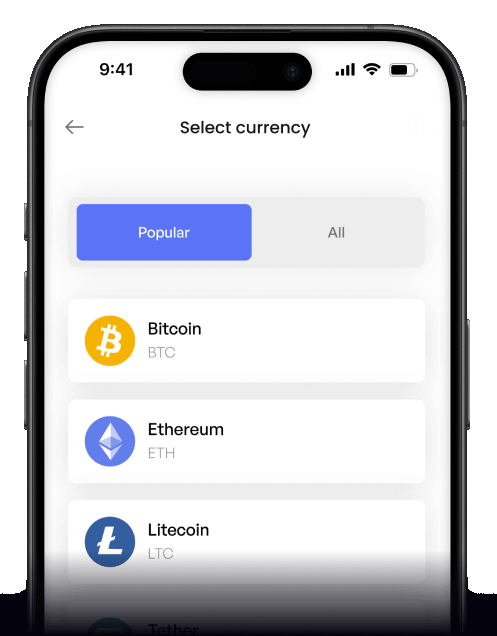
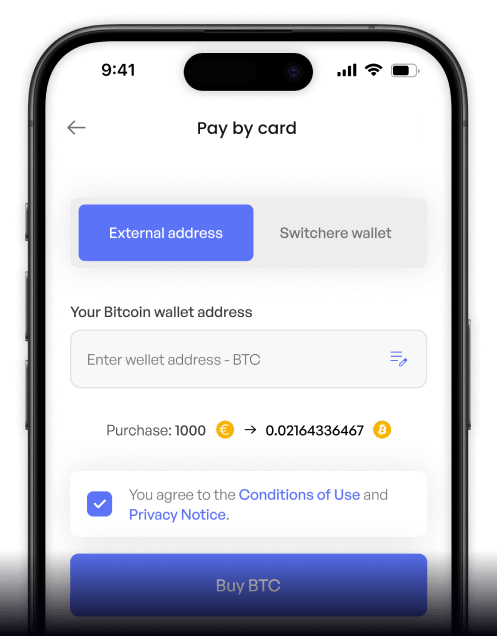
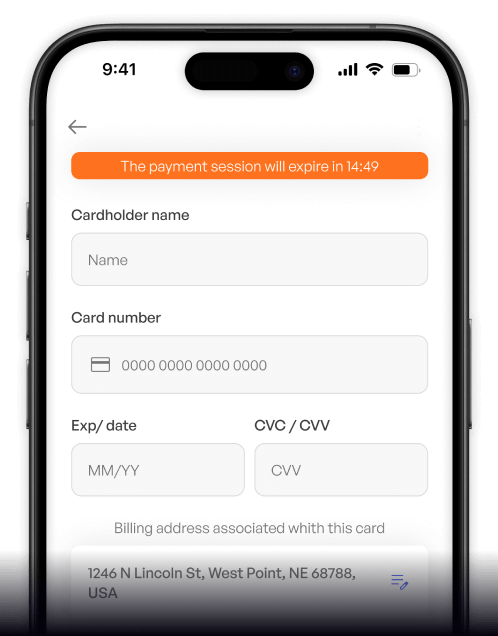
 Step-by-step guidance
 Easy credit card payments
 Streamlined purchase process
 Web
Popular Coins for Tunisian dinar (TND)


Other Coins for Tunisian dinar (TND)


Frequently asked questions
-
What is the TND/MASK trading pair and what is its primary function?
The TND/MASK pair represents the direct exchange rate between the Tunisian Dinar (TND) and the Mask Network (MASK) token. Its primary function is to serve as a fiat on-ramp for users in Tunisia to acquire MASK, a digital asset crucial for participating in the Web3 social ecosystem. This allows TND holders to directly invest in a project focused on encrypted messaging over existing social networks and engage with MaskDAO governance. -
What are the common methods to buy MASK with Tunisian Dinar (TND)?
Purchasing MASK with TND is typically done through cryptocurrency exchanges that support Tunisian users. The most common route is via peer-to-peer (P2P) platforms where you can directly trade TND for crypto with another user using local bank transfers. Some centralized exchanges might offer direct TND deposits, but P2P is often more accessible. All reputable platforms will require KYC/AML compliance before you can execute a trade. -
What specific utility does the MASK token offer after acquiring it?
The MASK token is integral to the Mask Network ecosystem. Its primary utility is governance; holding MASK allows you to vote on proposals within the MaskDAO. Additionally, it facilitates unique functionalities like participating in Initial Twitter Offerings (ITOs) and interacting with various dApplets (decentralized applications) directly on social media platforms, providing a bridge between Web2 and the decentralized Web3 world. -
After buying MASK with TND, what type of digital wallet is required?
Since MASK is an ERC-20 token on the Ethereum blockchain, you will need a secure wallet that supports Ethereum and ERC-20 tokens. Popular choices include browser-based wallets like MetaMask, mobile wallets like Trust Wallet, or for maximum security, hardware wallets like Ledger or Trezor. Always ensure you are in full control of your private keys and store them offline securely. -
Are there transaction fees to consider when trading TND for MASK?
Yes, several fees may apply. First, the cryptocurrency exchange or P2P platform will charge a trading fee, either a flat rate or a percentage. Second, if you use a bank transfer for the TND payment, your bank might charge a fee. Finally, when you withdraw your MASK tokens from the exchange to your personal digital wallet, you will have to pay a blockchain transaction fee, known as a 'gas fee' on the Ethereum network, which fluctuates based on network congestion.

Buy on the go
Anywhere. Anytime.
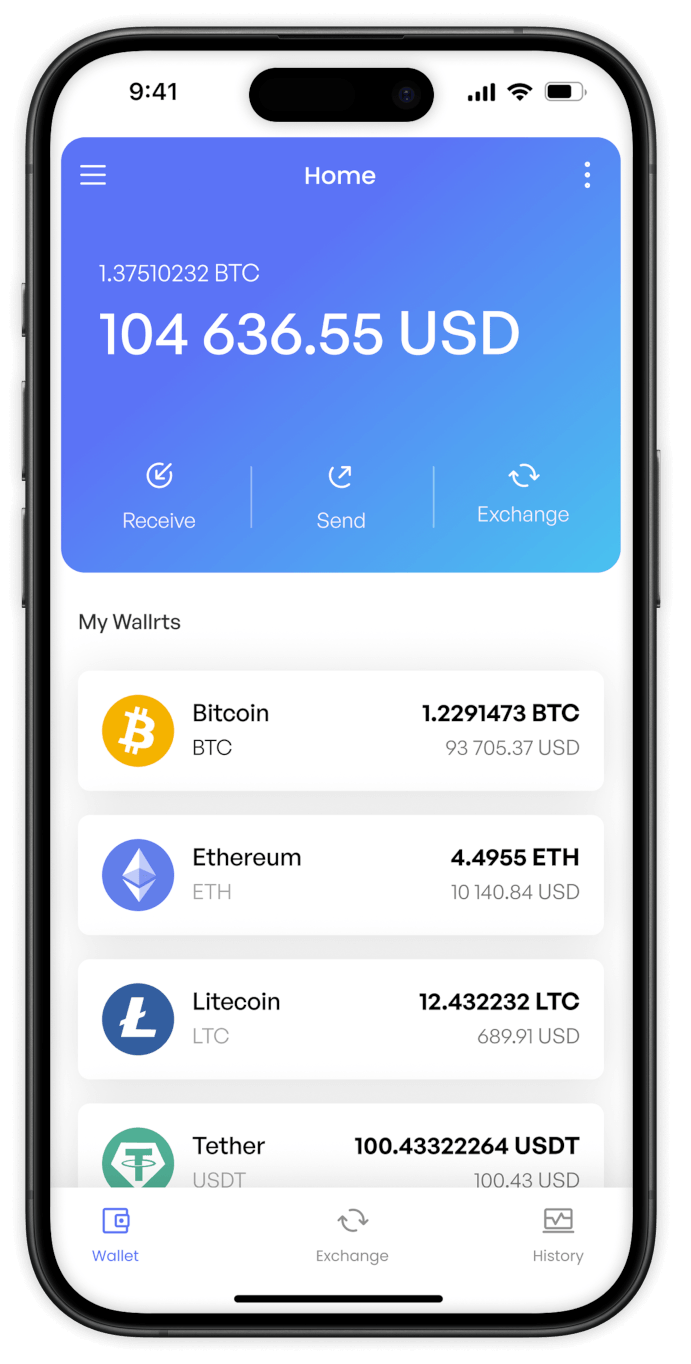
Buy crypto with your credit card from anywhere. Live rates, transparent fees, and 3D Secure on every order - the full Switchere card-buy experience in your pocket.


Scan to download the app iOS and Android