Convert
Tunisian dinar (TND) to APENFT (NFT) Instantly
Purchase APENFT (NFT) with Tunisian dinar (TND) easily at Switchere and benefit from fast, secure transactions.
About
APENFT (NFT)
APENFT (NFT) is a specialized project focused on registering world-class artworks as non-fungible tokens (NFTs) on the blockchain, effectively bridging the gap between traditional fine art and the emerging digital asset space. The core mission of the APENFT Foundation is to foster the creator economy, incubate artists, and democratize access to high-value art through tokenization. Built primarily on the TRON blockchain and utilizing the TRC-721 token standard, the platform leverages the BitTorrent File System (BTFS) for decentralized, on-chain storage of the underlying art metadata and files, ensuring permanence and cryptographic security. The project also emphasizes cross-chain interoperability, connecting with networks like Ethereum and BNB Smart Chain to broaden its reach within the Web3 ecosystem.
The native utility token, NFT, is integral to the platform's decentralized governance model. As a governance token, it grants holders the right to vote on key decisions, such as art acquisitions, collection management, and future platform developments. This tokenomics structure aims to transform the platform into a fully decentralized autonomous organization (DAO) governed by its community. Beyond governance, the NFT token is used for staking rewards and serves as the primary digital asset within its expanding ecosystem, which includes collaborations with artists, galleries, and developing a comprehensive NFT marketplace. APENFT positions itself as a foundational player in the tokenization of art, aiming to build a robust infrastructure for digital art and collectibles in the metaverse.
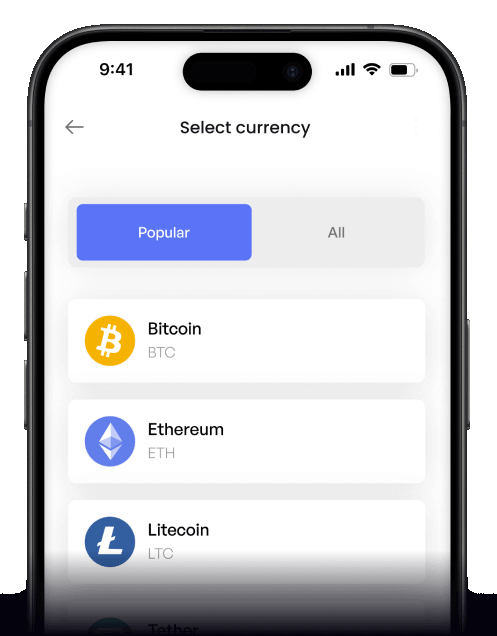
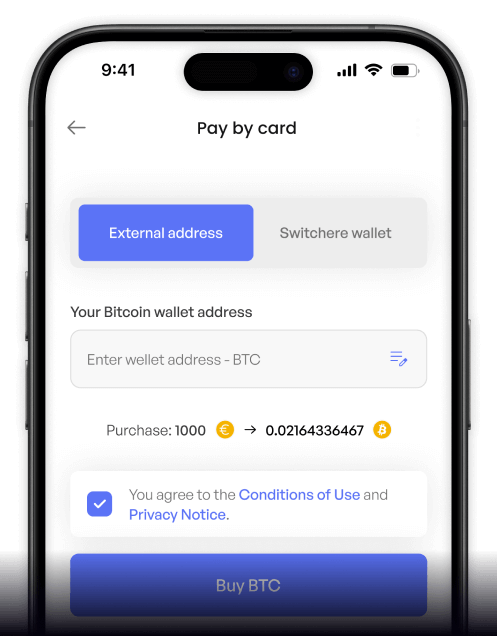
How to Buy APENFT (NFT)
Popular Coins for Tunisian dinar (TND)
Other Coins for Tunisian dinar (TND)
Frequently asked questions
-
What is the primary method to buy APENFT (NFT) with Tunisian Dinar (TND)?
Direct TND/NFT trading pairs are uncommon due to local financial regulations. The standard method involves using a peer-to-peer (P2P) platform to buy a major cryptocurrency like Tron (TRX) or a stablecoin (USDT) with TND. After acquiring the initial digital asset, you can then transfer it to a cryptocurrency exchange that lists APENFT and trade TRX or USDT for NFT. -
What is APENFT's function within the TRON blockchain ecosystem?
APENFT (NFT) is the official governance token for the APENFT Foundation, which aims to register world-class art as NFTs on the blockchain. Built on the TRON network as a TRC-721 standard token, it facilitates governance, allows holders to vote on key decisions, and is used for staking within its dedicated NFT marketplace. It leverages TRON's low fees and high throughput for minting and trading digital art. -
What technical considerations are important when transacting with APENFT?
Since APENFT is a TRON-based token, you need a TRON-compatible digital wallet (like TronLink or Ledger) that can hold TRC-721 assets. When transferring, ensure you have a small amount of TRX in your wallet to pay for the network's energy and bandwidth transaction fees. Also, verify you are interacting with the correct APENFT smart contract address to avoid counterfeit tokens. -
Are there any KYC/AML requirements when purchasing crypto with TND on P2P platforms?
Yes, reputable peer-to-peer (P2P) exchanges that facilitate TND transactions enforce strict Know Your Customer (KYC) and Anti-Money Laundering (AML) compliance. Users are typically required to verify their identity by submitting government-issued IDs and sometimes proof of address. This is a crucial security measure to protect all parties involved in the transaction and comply with global standards. -
How does APENFT utilize the BitTorrent File System (BTFS)?
APENFT leverages the BitTorrent File System (BTFS), a decentralized file storage system, to store the actual digital artwork data associated with its NFTs. While the TRC-721 token itself exists on the TRON blockchain and proves ownership, BTFS ensures the underlying media file is stored in a distributed, censorship-resistant manner, guaranteeing its permanence and integrity outside of any single centralized server.