Convert
TND to GRAM Instantly
Tunisian dinar to Gram (prev. Toncoin) (GRAM) at the real-time exchange rate


Purchase GRAM (GRAM) with Tunisian dinar (TND) easily at Switchere and benefit from fast, secure transactions.
About
GRAM (GRAM)
Navigating the exchange rate between the Tunisian Dinar and Gram (GRAM) requires understanding both regional forex dynamics and the volatility of digital assets. Using a reliable TND to GRAM converter helps track the real-time value of this specific pair, which is influenced by the TON blockchain's native token liquidity and the broader macroeconomic factors impacting the TND. The GRAM to TND rate fluctuates based on global crypto market demand, local Tunisian fiat supply, and exchange order book depth.
For those looking to buy GRAM with TND, the process typically involves a fiat on-ramp compliant with local KYC/AML regulations. Regional users often utilize bank transfers or card payments to fund their accounts before executing trades. Once converted, GRAM tokens are routed to a compatible wallet address on The Open Network (TON). Known for high-speed transactions, receiving GRAM involves minimal network fees and near-instant confirmation times. This pair serves as an essential bridge for Tunisian residents seeking exposure to the TON ecosystem, decentralized applications, and fast cross-border value transfers without relying on traditional banking bottlenecks.

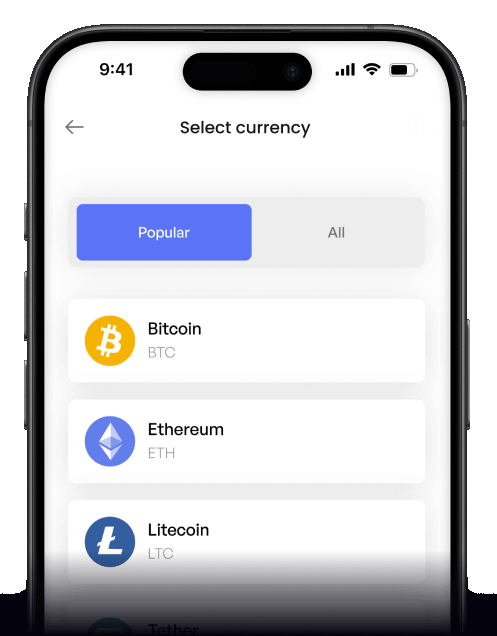
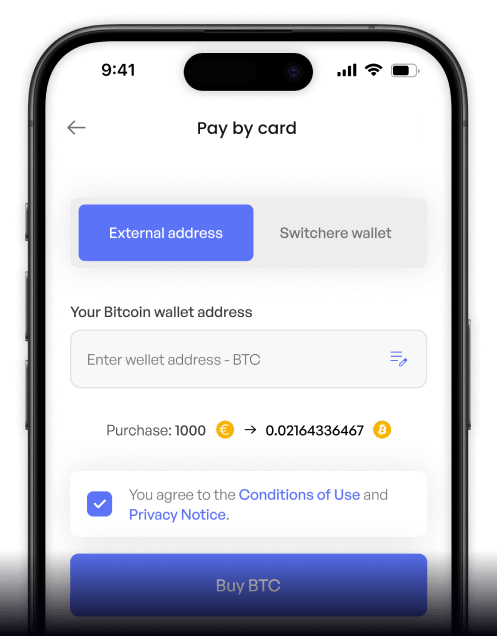
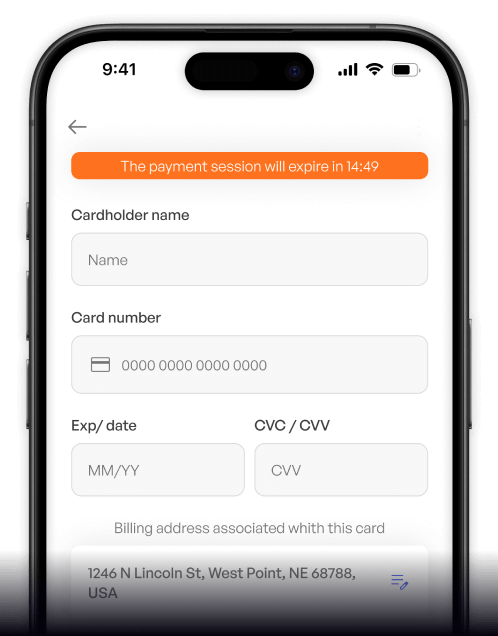
How to Buy GRAM (GRAM)
 Step-by-step guidance
 Easy credit card payments
 Streamlined purchase process
 Web
Popular Coins for Tunisian dinar (TND)


Other Coins for Tunisian dinar (TND)


Frequently asked questions
-
How can I buy GRAM (The Open Network ecosystem) using Tunisian Dinar (TND)?
To purchase GRAM with TND, you typically need to use a cryptocurrency exchange that acts as a fiat gateway. Since direct TND to GRAM trading pairs might lack high liquidity, a common method involves buying a widely traded digital asset like USDT via peer-to-peer (P2P) markets using local bank transfers, and then swapping it for GRAM. Ensure the exchange supports The Open Network to facilitate seamless withdrawals to your non-custodial TON wallet. -
What are the typical fees associated with a TND to GRAM fiat on-ramp transaction?
When utilizing a fiat on-ramp to convert Tunisian Dinar into GRAM, users encounter several fee layers. These include P2P marketplace spreads, potential bank transfer fees in Tunisia, and exchange trading commissions. Fortunately, once you hold GRAM, transacting on its blockchain is highly efficient. Thanks to its Proof-of-Stake (PoS) consensus mechanism and dynamic sharding architecture, network gas fees for smart contract execution or token transfers are exceptionally low. -
Why should I transfer GRAM to a dedicated digital wallet after purchasing it with TND?
Leaving digital assets on a centralized cryptocurrency exchange exposes you to counterparty risk. Transferring your GRAM to a secure, non-custodial wallet integrated with the Telegram ecosystem ensures you hold your private keys. This not only enhances security but also allows you to interact directly with decentralized applications (dApps), participate in network staking, and utilize ultra-fast transactions within The Open Network without exchange withdrawal delays. -
Is KYC/AML compliance required to exchange TND for GRAM?
Yes, most reputable centralized exchanges and P2P platforms require strict Know Your Customer (KYC) and Anti-Money Laundering (AML) compliance before allowing you to deposit Tunisian Dinar or execute a digital asset purchase. You will need to verify your identity using official government documents. This regulatory compliance is standard practice to ensure secure trading environments and prevent illicit financial activities on the blockchain. -
What makes GRAM technically unique compared to other Layer-1 digital assets?
GRAM, rooted in the original vision of the Telegram Open Network, leverages a highly scalable multi-blockchain architecture. Its core USP is infinite sharding capability, allowing the network to split into multiple sub-chains to process millions of transactions per second (TPS) without bottlenecking. This makes the execution of Turing-complete smart contracts and the operation of decentralized services extremely fast, providing massive utility for microtransactions.

Buy on the go
Anywhere. Anytime.
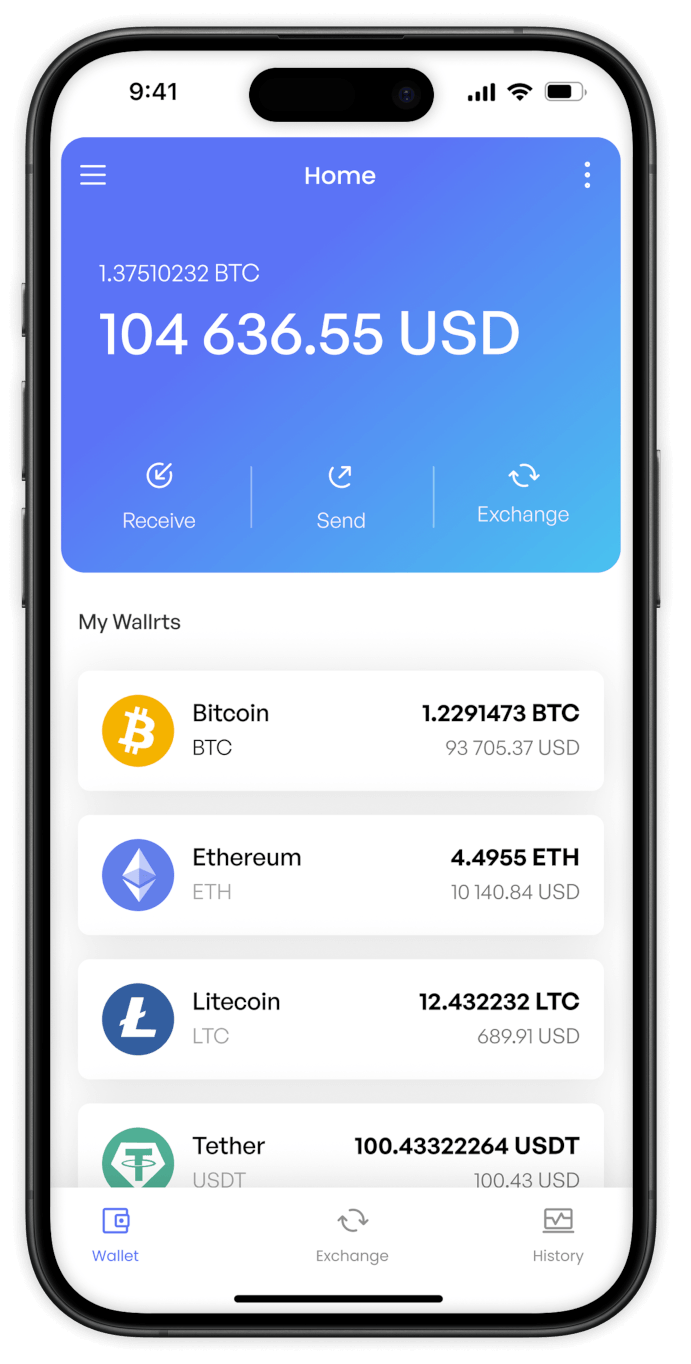
Buy crypto with your credit card from anywhere. Live rates, transparent fees, and 3D Secure on every order - the full Switchere card-buy experience in your pocket.



Scan to download the app iOS and Android