


Конвертуйте
Tunisian dinar (TND) на Livepeer (LPT) миттєво


Купуйте Livepeer (LPT) за допомогою Tunisian dinar (TND) легко на Switchere і отримуйте вигоду від швидких і безпечних транзакцій.
Близько
Livepeer (LPT)
Livepeer (LPT) - це децентралізована мережа потокового відео, побудована на блокчейні Ethereum, покликана забезпечити масштабовану, економічно ефективну та стійку до цензури інфраструктуру для перекодування та розповсюдження відео. Вона має на меті революціонізувати спосіб обробки та доставки відеоконтенту, пропонуючи відкриту альтернативу традиційним централізованим послугам з обробки відео. В основі технології Livepeer лежить розподілена мережа операторів вузлів, відомих як оркестранти, які надають свої обчислювальні ресурси для виконання завдань з перекодування відео. Ця пірингова система використовує технологію блокчейн для координації та стимулювання учасників, забезпечуючи надійну та ефективну обробку відео для розробників і мовників, які створюють медіа-додатки.
Токен LPT - це власний цифровий актив мережі Livepeer, який функціонує як ключовий токен утиліти та робочий токен. Власники токенів можуть вкладати LPT, щоб стати Оркестрантами або делегувати свої LPT існуючим Оркестрантам, таким чином беручи участь у забезпеченні безпеки мережі та заробляючи частку комісійних та інфляційних винагород. Цей механізм гарантує, що оркестранти виконують свої обов'язки з транскодування чесно та ефективно. Мовники використовують мережу для кодування та трансляції відео, сплачуючи збори, які сприяють розвитку економіки екосистеми. Як основний елемент відеоінфраструктури Web3, Livepeer розширює можливості децентралізованих додатків, що потребують надійних відеофункцій, позиціонуючи себе як ключового гравця в майбутньому в галузі онлайн-трансляції медіа та потокового передавання контенту з надійним криптографічним захистом.

Як купити Livepeer (LPT)?
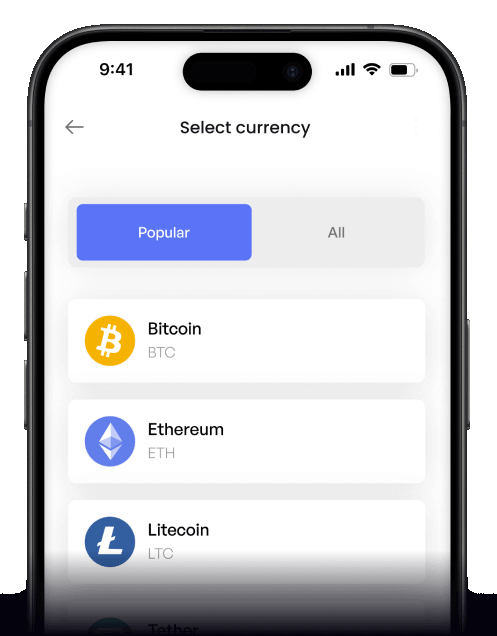
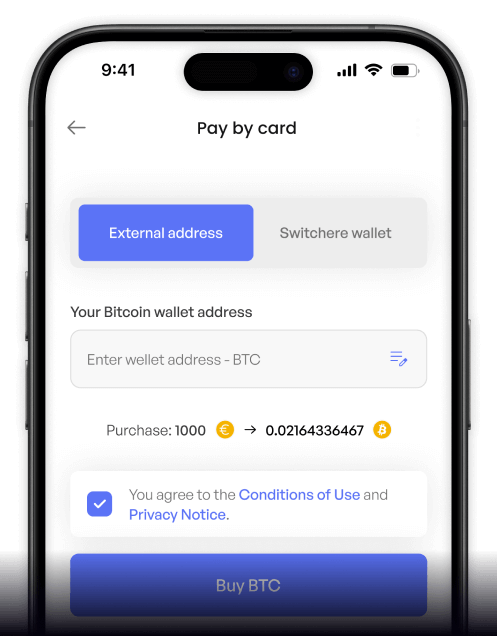
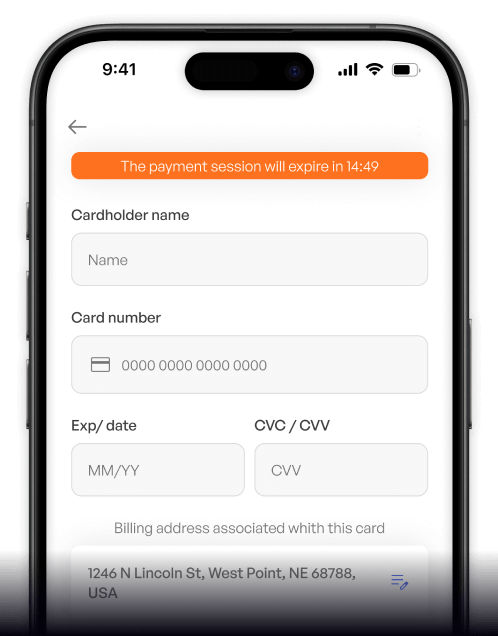
 Покрокове керівництво
 Легкі платежі кредитною карткою
 Спрощений процес купівлі
 Web
Web
Популярні монети за Tunisian dinar (TND)




Інші монети за Tunisian dinar (TND)




Поширені запитання
-
Що таке пара TND/LPT і що вона представляє на крипторинку?
Пара TND/LPT представляє обмінний курс між туніським динаром (TND) і токеном Livepeer (LPT). Вона функціонує як фіатний шлюз, що дозволяє користувачам оцінювати та купувати LPT, токен стандарту ERC-20 на базі Ethereum, який живить децентралізовану мережу для транскодування відео, безпосередньо за допомогою своєї місцевої валюти. Ця пара вказує на попит на інфраструктуру медіа-рівня Web3 на туніському ринку. -
Які поширені способи купівлі LPT за туніські динари?
Прямі пари TND/LPT зустрічаються рідко. Найпоширеніший метод включає двохетапний процес на криптовалютній біржі. Спочатку ви використовуєте місцевий банківський переказ для внесення TND і купівлі основної криптовалюти, такої як USDT або BTC. Потім ви використовуєте цей актив для торгівлі LPT у книзі ордерів платформи. Завжди перевіряйте біржі на відповідність місцевим туніським нормам KYC/AML. -
Яка стратегічна цінність придбання LPT, окрім простої торгівлі?
Придбання LPT дозволяє брати участь в екосистемі мережі Livepeer. Власники токенів можуть займатися стейкінгом LPT, делегуючи свої токени «Оркестраторам» — вузлам, які виконують роботу з транскодування відео. Як «Делегатор», ви можете заробляти частку комісій та інфляційних винагород, що генеруються мережею, сприяючи безпеці протоколу та отримуючи пасивний дохід від свого цифрового активу. -
Які види комісій пов'язані з транзакцією TND до LPT?
Транзакція з TND до LPT зазвичай включає кілька комісій: 1) Комісії за депозит для поповнення вашого біржового рахунку в TND через місцевий банківський переказ. 2) Торгові комісії на біржі за конвертацію TND в проміжну криптовалюту, а потім в LPT. 3) Оскільки LPT є токеном ERC-20, для виведення LPT з біржі на безпечний цифровий гаманець потрібна комісія за транзакцію в блокчейні (плата за газ), що сплачується в ETH. -
Як я можу безпечно зберігати свої токени LPT після покупки за TND?
Для безпечного зберігання вам слід вивести свої LPT з криптовалютної біржі на особистий цифровий гаманець, де ви контролюєте приватні ключі. Оскільки LPT є токеном ERC-20, він сумісний з будь-яким гаманцем, що підтримує Ethereum. Для максимальної безпеки розгляньте апаратний гаманець (холодне зберігання). для частого використання, наприклад, для стейкінгу, надійний програмний гаманець (гарячий гаманець) є життєздатним варіантом. Ніколи не діліться своїми приватними ключами або сід-фразою.

Купуйте, де завгодно
Будь-де. Будь-коли.
Купуйте криптовалюту за допомогою кредитної картки з будь-якого місця. Актуальні курси, прозорі комісії та технологія 3D Secure для кожного замовлення — всі переваги сервісу Switchere для купівлі криптовалюти за допомогою картки у вашому мобільному.



Відскануйте, щоб завантажити додаток для iOS та Android

