


Конвертуйте
Tunisian dinar (TND) на Ethereum Classic (ETC) миттєво


Купуйте Ethereum Classic (ETC) за допомогою Tunisian dinar (TND) легко на Switchere і отримуйте вигоду від швидких і безпечних транзакцій.
Близько
Ethereum Classic (ETC)
Ethereum Classic (ETC) - це продовження оригінального блокчейну Ethereum, який неухильно дотримується принципу незмінності після злому DAO у 2016 році, що призвів до розколу мережі. Ця децентралізована мережа зберігає прихильність механізму консенсусу Proof-of-Work (PoW), який наразі використовує алгоритм Etchash для забезпечення надійної криптографічної безпеки та перевірки транзакцій у своєму цифровому реєстрі. Як фундаментальна платформа смарт-контрактів, Ethereum Classic підтримує розробку і виконання децентралізованих додатків (dApps), надаючи розробникам середовище без обмежень для створення широкого спектру мережевих рішень і використання віртуальної машини з повним набором функцій Тьюринга. Нативний токен ETC має важливе значення для екосистеми, в першу чергу слугуючи газом для оплати комісій за транзакції та обчислювальних ресурсів, необхідних для операцій зі смарт-контрактами та пірингових переказів в рамках цієї інфраструктури Web3.
Окрім корисності для мережевих операцій, токеноміка ETC розроблена з фіксованим лімітом пропозиції, встановленим через ECIP-1017, з метою позиціонування його як надійного цифрового активу з дефляційними характеристиками з часом, що відрізняє його від еволюціонуючої монетарної політики Ethereum (ETH). Ethereum Classic продовжує відстоювати філософію "код - це закон", пропонуючи стійку і стійку до цензури платформу для різних DeFi-додатків і цифрових активів. Це важлива альтернатива в більш широкому ландшафті технології блокчейн для користувачів і розробників, які надають перевагу непохитній цілісності ланцюжка і перевіреній моделі безпеки Proof-of-Work для своїх децентралізованих рішень і потреб в криптографічній безпеці, що є свідченням стійкості ланцюжка.

Як купити Ethereum Classic (ETC)?
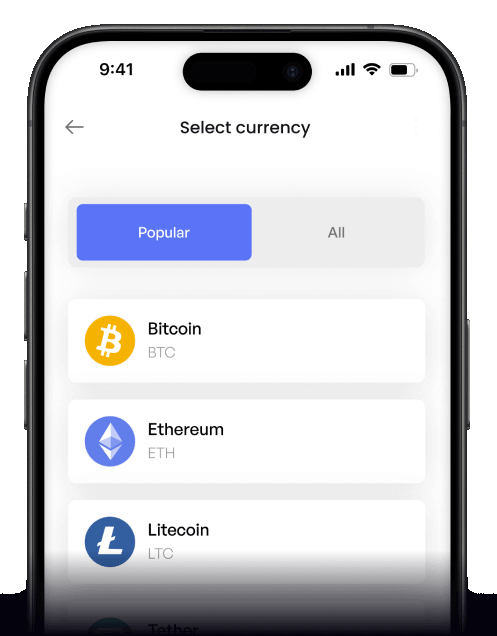
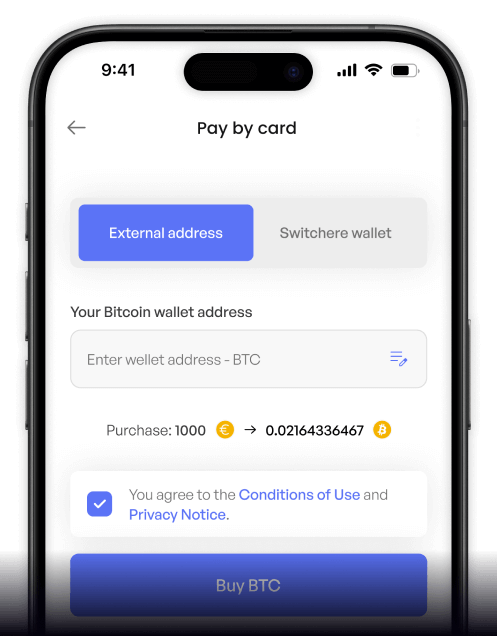
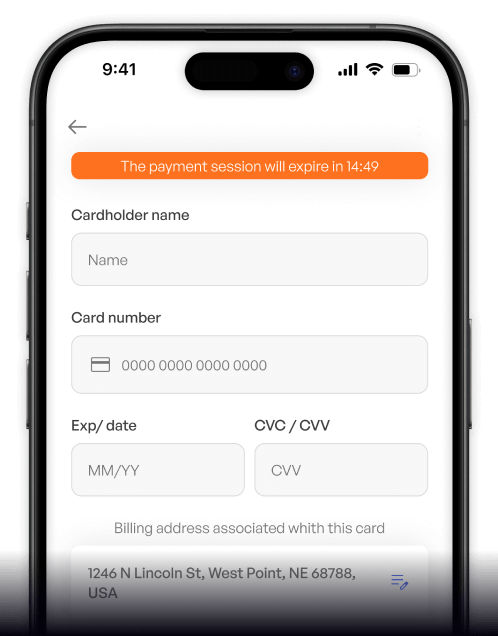
 Покрокове керівництво
 Легкі платежі кредитною карткою
 Спрощений процес купівлі
 Web
Web
Популярні монети за Tunisian dinar (TND)





Інші монети за Tunisian dinar (TND)





Поширені запитання
-
Які існують поширені способи купівлі Ethereum Classic (ETC) за туніські динари (TND)?
Через контроль за рухом капіталу в Тунісі, прямі фіатні шлюзи з TND до ETC на великих криптовалютних біржах є рідкістю. Найпоширенішим методом є використання платформ для торгівлі між користувачами (P2P), де ви можете купувати ETC безпосередньо в іншої особи, використовуючи місцеві туніські платіжні методи. Це вимагає ретельної перевірки продавців та використання ескроу-сервісу, що надається P2P-платформою, для безпечної торгівлі. -
Який основний принцип Ethereum Classic (ETC) повинні розуміти власники TND?
Ethereum Classic суворо дотримується філософії «Код — це закон». Це означає, що мережа працює точно так, як запрограмовано, а транзакції на її блокчейні є остаточними та незмінними. Вона зберігає оригінальну, незмінену історію блокчейну Ethereum до хард-форку DAO 2016 року, продовжуючи використовувати механізм консенсусу Proof-of-Work (PoW) для максимальної безпеки та децентралізації. -
Чи існують процедури відповідності KYC/AML при купівлі ETC за TND?
Так, якщо ви використовуєте авторитетну P2P-платформу, вам майже напевно доведеться пройти верифікацію «Знай свого клієнта» (KYC) та «Протидія відмиванню грошей» (AML). Це передбачає подання документів, що посвідчують особу, на платформу для підтвердження вашої особи. Це стандартний захід безпеки для запобігання незаконній діяльності та забезпечення безпечнішого торгового середовища для всіх користувачів у книзі замовлень. -
Чим фіксована монетарна політика Ethereum Classic (ECIP-1017) відрізняється від інфляційних фіатних грошей, таких як TND?
На відміну від фіатних валют, таких як TND, які можуть друкуватися центральними банками, що призводить до інфляції, Ethereum Classic впровадив фіксовану монетарну політику через ECIP-1017. Ця політика встановлює жорстке обмеження на загальну пропозицію ETC та графік зменшення винагороди за блок, подібно до Bitcoin. Це робить ETC дезінфляційним цифровим активом, розробленим як передбачуваний засіб збереження вартості в довгостроковій перспективі, захищений від довільного збільшення пропозиції. -
Після придбання ETC за TND, як я можу безпечно зберігати цей цифровий актив?
Для безпечного зберігання настійно рекомендується перемістити ваші ETC з біржі або P2P-платформи на особистий цифровий гаманець, де ви контролюєте приватні ключі. Варіанти включають апаратні гаманці (наприклад, Ledger або Trezor) для максимальної безпеки, або добре перевірені програмні гаманці (для настільних комп'ютерів або мобільних пристроїв). Ніколи не діліться своїми приватними ключами або сід-фразою, оскільки це дасть будь-кому повний доступ до ваших коштів. Довгострокове зберігання активів на біржі наражає вас на ризик контрагента.

Купуйте, де завгодно
Будь-де. Будь-коли.
Купуйте криптовалюту за допомогою кредитної картки з будь-якого місця. Актуальні курси, прозорі комісії та технологія 3D Secure для кожного замовлення — всі переваги сервісу Switchere для купівлі криптовалюти за допомогою картки у вашому мобільному.



Відскануйте, щоб завантажити додаток для iOS та Android

