Convert
TND to ENS Instantly
Tunisian dinar to Ethereum Name Service (ERC20) at the real-time exchange rate


Purchase ENS (ERC20) with Tunisian dinar (TND) easily at Switchere and benefit from fast, secure transactions.
About
ENS (ERC20)
Navigating the Web3 landscape often begins with establishing a decentralized identity, making a reliable TND to ENS converter essential for Tunisian residents. The Ethereum Name Service (ENS) is a distributed, open, and extensible naming system based on the Ethereum blockchain that maps human-readable names to machine-readable identifiers. When looking to buy ENS with TND, the exchange rate is influenced by global crypto market liquidity, the inherent volatility of ERC-20 tokens, and the international standing of the Tunisian Dinar.
For a seamless fiat on-ramp experience, converting Tunisian Dinars typically involves utilizing international credit or debit cards, alongside regional banking channels, subject to standard KYC and AML compliance. Once the fiat transaction clears, acquiring ENS requires providing a compatible Web3 wallet address supporting the Ethereum network. Because ENS operates as an ERC-20 token, users should be mindful of Ethereum network gas fees and confirmation times, which can fluctuate based on blockchain congestion. Monitoring the live ENS to TND rate helps users time their conversions efficiently, whether they are local developers integrating blockchain domains or digital asset enthusiasts seeking to secure their unique Web3 usernames directly from Tunisia.

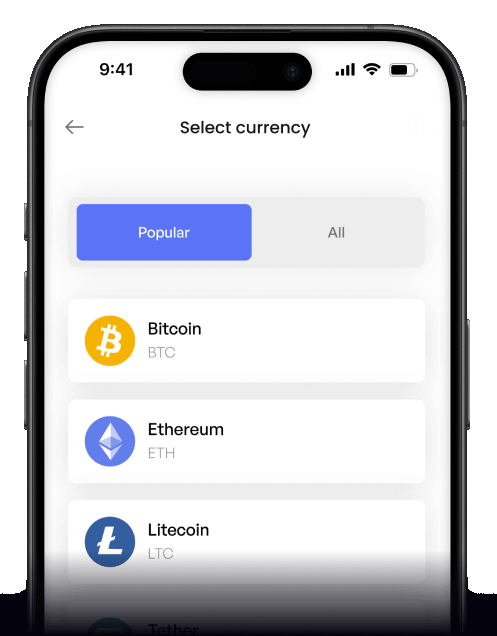
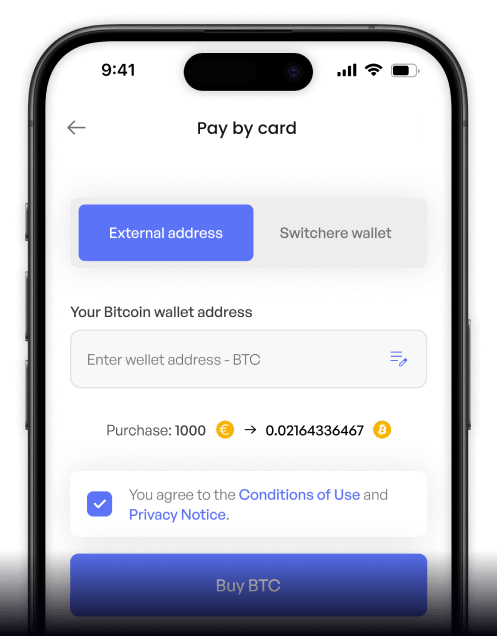
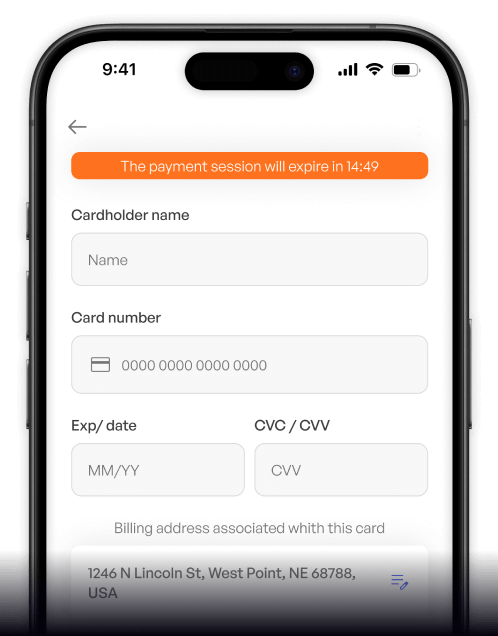
How to Buy ENS (ERC20)
 Step-by-step guidance
 Easy credit card payments
 Streamlined purchase process
 Web
Popular Coins for Tunisian dinar (TND)


Other Coins for Tunisian dinar (TND)


Frequently asked questions
-
What are the common methods for buying Ethereum Name Service (ENS) with Tunisian Dinar (TND)?
Direct TND/ENS trading pairs are virtually nonexistent on centralized exchanges due to Tunisia's currency controls and low liquidity. The most common method involves a multi-step process: using a peer-to-peer (P2P) platform to buy a major cryptocurrency like USDT or BTC with TND, transferring that digital asset to a global exchange that lists ENS, and then executing a trade on a pair like ENS/USDT. This process serves as a fiat on-ramp but requires careful navigation of P2P trading risks and KYC/AML compliance on the final exchange. -
What is the primary function of the ENS token within the Ethereum Name Service ecosystem?
The primary function of the ENS token is not for payment but for governance. Holders of the ENS token can participate in the ENS DAO (Decentralized Autonomous Organization). This allows them to vote on key protocol proposals, such as changes to pricing for .eth domains, treasury management, and integrations with traditional DNS. It grants the community control over the future development of this critical Web3 username and decentralized naming system. -
How does acquiring ENS tokens differ from registering a .eth domain name?
These are two distinct actions. Registering a .eth domain name involves paying a registration fee in ETH (not ENS) to claim a unique name, which is represented as an ERC-721 NFT in your digital wallet. This domain provides blockchain address resolution. Acquiring ENS tokens, which are ERC-20 fungible tokens, means buying a stake in the protocol's governance via the ENS DAO. You do not need ENS tokens to own a .eth domain, and owning a domain does not automatically grant you ENS governance tokens (apart from the initial airdrop). -
What are the security considerations when moving from TND to holding ENS tokens?
The primary security shift is from a centralized, bank-controlled asset (TND) to a decentralized digital asset requiring self-custody. Key considerations include: 1) Using reputable P2P platforms for the initial TND conversion to minimize scam risks. 2) Securing your ENS tokens in a non-custodial digital wallet (e.g., a hardware wallet) where you control the private keys. 3) Being vigilant against phishing attacks that target wallet credentials. 4) Understanding that blockchain transactions are immutable and cannot be reversed. -
Why can't I find a TND/ENS trading pair on major crypto exchanges?
Major cryptocurrency exchanges list pairs based on high trading volume and liquidity. The Tunisian Dinar (TND) has very low global liquidity in the digital asset market, compounded by restrictive financial regulations in Tunisia. Consequently, exchanges do not create direct fiat on-ramps for TND. Instead, users must first convert TND to a highly liquid asset like USDT or ETH, and then trade that for ENS on a more common pair, which ensures a functional and efficient order book.

Buy on the go
Anywhere. Anytime.
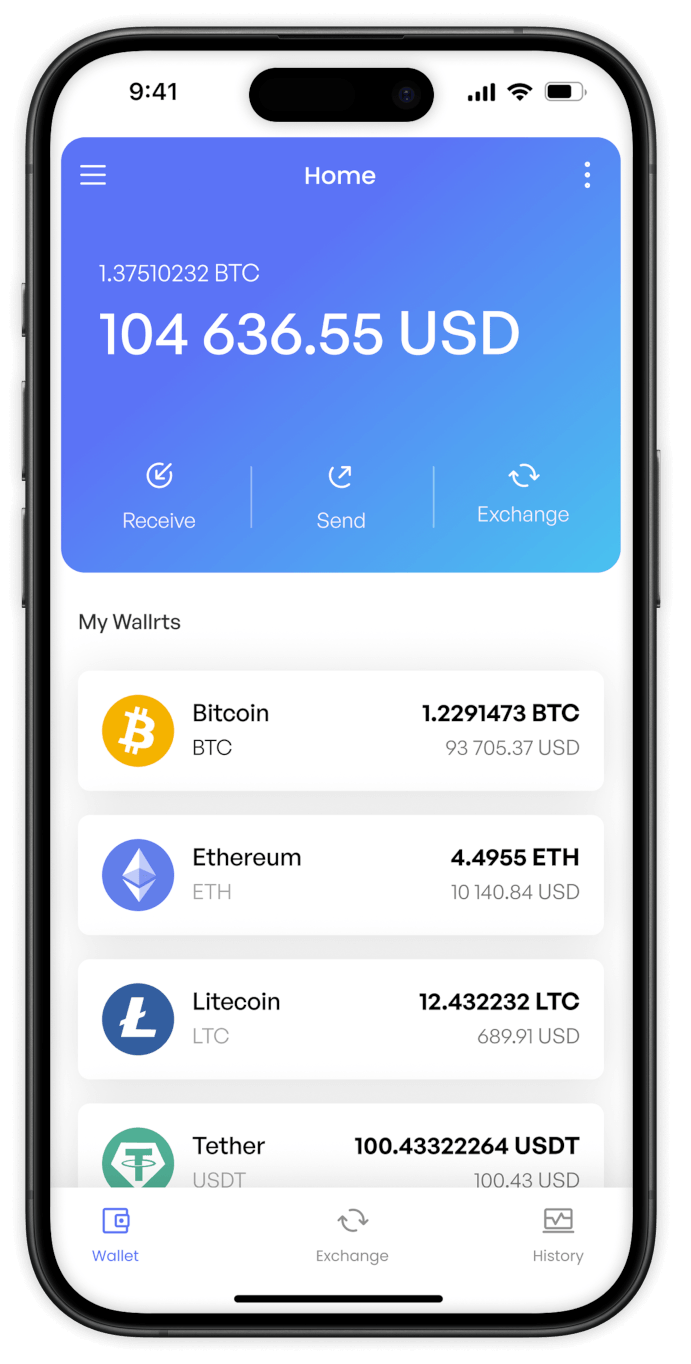
Buy crypto with your credit card from anywhere. Live rates, transparent fees, and 3D Secure on every order - the full Switchere card-buy experience in your pocket.



Scan to download the app iOS and Android