Convert
Tunisian dinar (TND) to TUSD (TRC20) Instantly
Purchase TUSD (TRC20) with Tunisian dinar (TND) easily at Switchere and benefit from fast, secure transactions.
About
TUSD (TRC20)
TrueUSD (TUSD) is a prominent fiat-collateralized stablecoin engineered to maintain a verifiable 1:1 peg with the US Dollar. Its primary objective is to function as a transparent and reliable digital asset, bridging the gap between traditional fiat currencies and the decentralized finance ecosystem. The TUSD (TRC20) variant is a specific token standard that operates natively on the TRON blockchain. This leverages the TRON network's high throughput and low transaction fees, offering users a highly efficient and cost-effective means for peer-to-peer payments and on-chain activities. It provides the stability of the dollar with the performance of a modern blockchain technology infrastructure.
The key differentiator for TUSD is its robust framework for trust and transparency. The stablecoin is fully backed by US Dollar reserves held in independently audited financial institutions. Through a partnership with an accounting firm, it provides near real-time on-chain attestations of its reserves, offering cryptographic proof of collateralization. The TUSD token's main utility within the TRON ecosystem is to serve as a stable medium of exchange, a unit of account in DeFi applications, and a hedge against market volatility. As a TRC20 asset, it is integral for liquidity pools, lending protocols, and other Web3 applications, cementing its role as a foundational stable value asset.
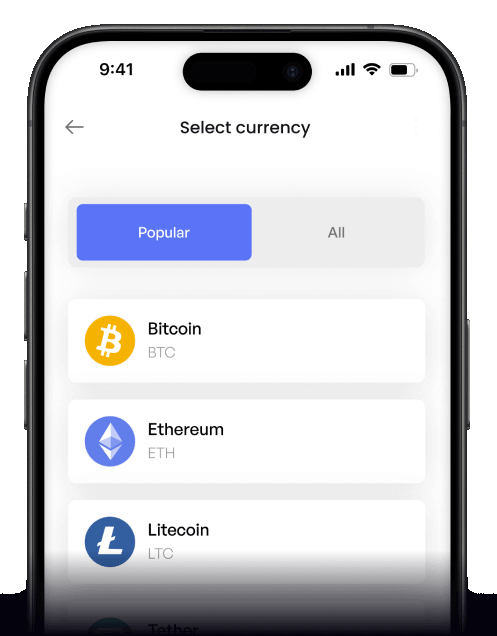
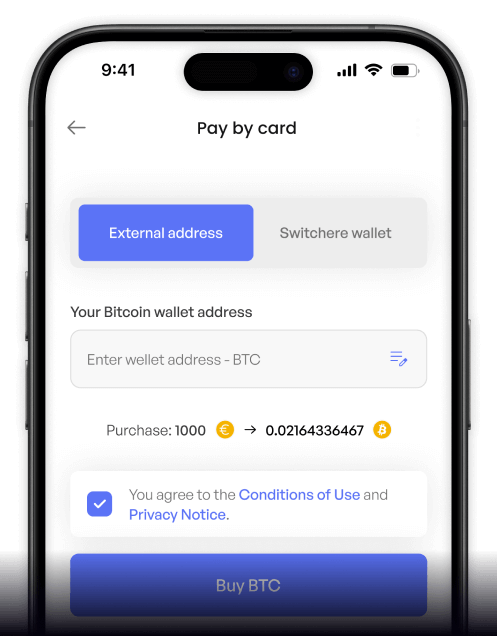
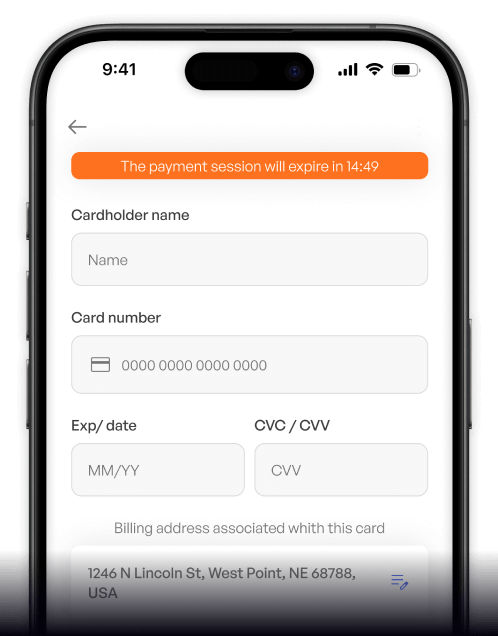
How to Buy TUSD (TRC20)
Popular Coins for Tunisian dinar (TND)
Other Coins for Tunisian dinar (TND)
Frequently asked questions
-
What exactly is the TND/TUSD (TRC20) trading pair and where is it commonly traded?
This pair represents the exchange rate between the Tender.fi governance token (TND) and the TRC20 version of the TrueUSD stablecoin. Since TND is primarily an Arbitrum-based token and TUSD (TRC20) exists on the TRON network, a direct swap on a single decentralized exchange (DEX) is rare. Typically, you would trade this pair on a centralized cryptocurrency exchange that supports both digital assets, or use a cross-chain bridge to move one asset to the other's native blockchain for a swap within a liquidity pool. -
What is the strategic advantage of swapping TND for TUSD on the TRON network?
A user might swap TND for TUSD (TRC20) to secure profits from their participation in the Tender.fi decentralized lending protocol into a stable digital asset. The choice of the TRC20 version of TUSD is often driven by the TRON blockchain's characteristically low transaction fees and fast confirmation times. This makes it highly efficient for making payments or for securely transferring value between different cryptocurrency exchanges. -
What technical knowledge is essential for handling TUSD (TRC20) tokens?
When managing TUSD (TRC20), it's crucial to use a digital wallet compatible with the TRON network, such as TronLink or a multi-chain wallet. You must also have a small amount of TRX, TRON's native coin, in your wallet to pay for blockchain transaction fees, which are consumed as 'Energy' and 'Bandwidth'. Critically, never send TRC20 tokens to a non-TRON address (e.g., an Ethereum address), as this will result in the permanent loss of the digital asset. -
How does the utility of the TND governance token affect the TND/TUSD trading pair?
The value of the TND token is intrinsically linked to its function within the Tender.fi ecosystem. As a governance token, TND holders can vote on protocol upgrades and parameter changes. It can also be staked to earn a share of the protocol's revenue. Therefore, the demand for TND, and by extension its price against the TUSD stablecoin, is influenced by the growth, Total Value Locked (TVL), and overall borrowing and lending activity on the Tender.fi platform. -
Are there specific risks when using cross-chain bridges for TND/TUSD (TRC20) swaps?
Yes, using a cross-chain bridge to facilitate a swap between TND (on Arbitrum) and TUSD (on TRON) introduces risks. These include potential smart contract vulnerabilities in the bridge's code, censorship risk, and liquidity issues specific to the bridge. For a more secure transaction, it's often advisable to use a reputable centralized cryptocurrency exchange that lists both assets. This allows you to deposit TND from Arbitrum and withdraw TUSD as a TRC20 token, minimizing direct exposure to complex cross-chain protocols.