Convert
Tunisian dinar (TND) to Pendle (PENDLE) Instantly
Purchase Pendle (PENDLE) with Tunisian dinar (TND) easily at Switchere and benefit from fast, secure transactions.
About
Pendle (PENDLE)
Pendle is a decentralized finance (DeFi) protocol built on blockchain technology that unlocks the full potential of yield-bearing assets by enabling the separation and trading of future yield. It introduces a novel financial primitive by tokenizing yield, allowing users to execute advanced yield management strategies. The core mechanism involves wrapping yield-generating digital assets (like stETH or aUSDC) into a standardized yield token, which is then split into two distinct components: a Principal Token (PT) and a Yield Token (YT). This process effectively creates a market for interest rate derivatives within the DeFi ecosystem, offering new opportunities for both risk-averse and speculative participants.
The PENDLE token is central to the protocol's tokenomics, serving as both a utility and governance token. By locking PENDLE, users receive vote-escrowed PENDLE (vePENDLE), which confers voting power on protocol governance and directs emissions to specific liquidity pools. Furthermore, vePENDLE holders are entitled to a portion of the fees generated by the protocol and can receive boosted rewards for their liquidity provisioning activities. This model incentivizes long-term holding and active participation, aligning user interests with the platform's growth. Pendle's specialized Automated Market Maker (AMM) is designed to handle time-decaying assets, positioning it as foundational Web3 infrastructure for fixed income and future yield trading in the on-chain economy.
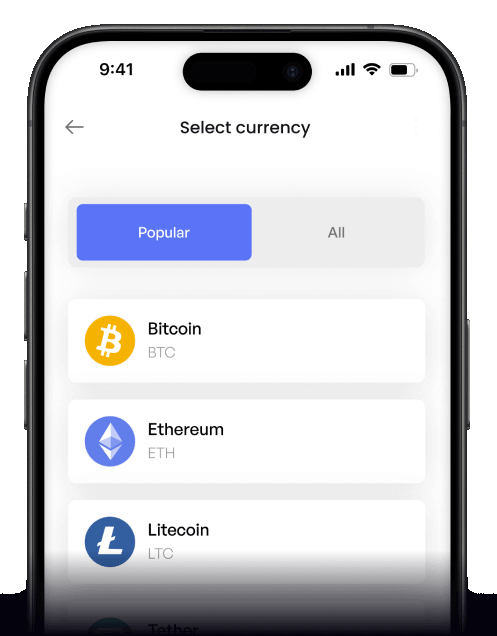
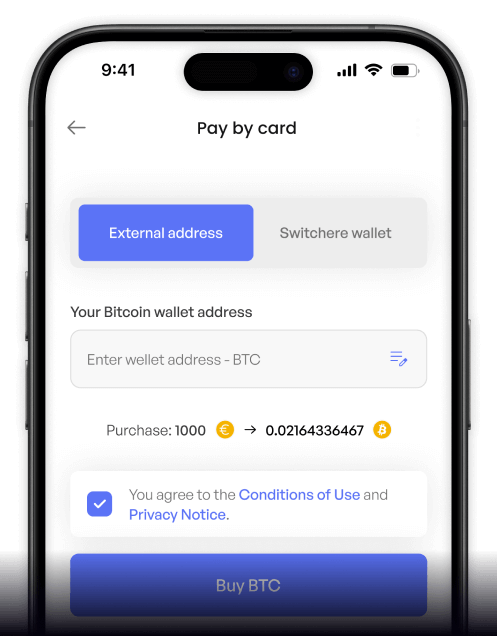
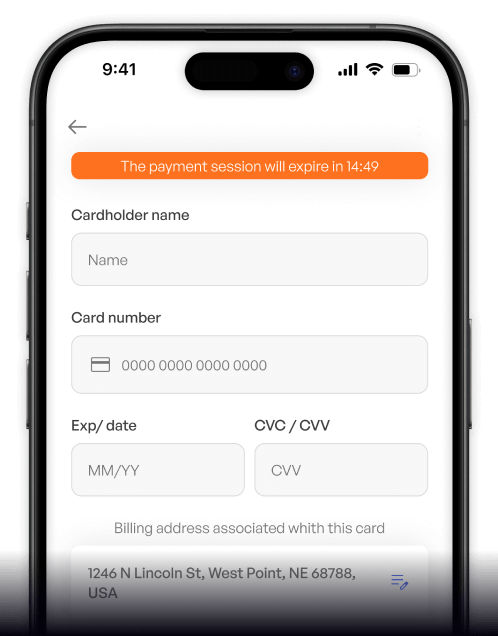
How to Buy Pendle (PENDLE)
Popular Coins for Tunisian dinar (TND)
Other Coins for Tunisian dinar (TND)
Frequently asked questions
-
What is the most common way to buy PENDLE with Tunisian Dinar (TND)?
A direct TND/PENDLE trading pair is highly uncommon. The standard process involves a multi-step fiat on-ramp. Typically, you would first convert TND to a major cryptocurrency like USDT or a global currency like EUR on a peer-to-peer (P2P) platform or a local exchange that supports Tunisian bank transfers. Afterwards, you would transfer that asset to a global cryptocurrency exchange where PENDLE is listed and execute the final digital asset purchase. -
What is Pendle's core function in the DeFi ecosystem?
Pendle is a decentralized finance (DeFi) protocol specializing in yield tokenization. It splits a yield-bearing asset into two components: a Principal Token (PT), which represents the principal amount, and a Yield Token (YT), which represents the future yield. This allows users to lock in fixed yields, speculate on yield fluctuations, or provide liquidity using novel DeFi yield strategies, all managed through its specialized Pendle AMM. -
What are the typical fees to consider when converting TND to PENDLE?
The process involves several potential fees. First, when converting TND on a P2P market, there might be a spread in the exchange rate. Second, sending the intermediate asset (e.g., USDT) from the initial platform to another exchange will incur a network withdrawal fee. Third, when you trade for PENDLE on a centralized or decentralized exchange (DEX), you will pay a trading fee. If using a DEX, you must also pay a blockchain network fee (gas fee), which can vary based on network congestion. -
What is vePENDLE and how does it relate to the protocol?
vePENDLE (Vote-escrowed PENDLE) is the governance and value-accrual token of the Pendle protocol. Users can lock their PENDLE tokens to receive vePENDLE. Holders of vePENDLE gain governance rights to vote on protocol parameters, receive a portion of the protocol's generated fees, and can boost the rewards they earn from providing liquidity to Pendle's pools. It's a key mechanism for long-term user alignment and participation. -
Are there any specific KYC/AML regulations to be aware of when using TND for crypto purchases?
Yes. Any platform acting as a fiat on-ramp that handles Tunisian Dinar will be subject to local and international KYC/AML (Know Your Customer/Anti-Money Laundering) compliance. You will be required to verify your identity by providing official documents. This is a standard procedure for any regulated financial service to prevent illicit activities and ensure secure trading environments.