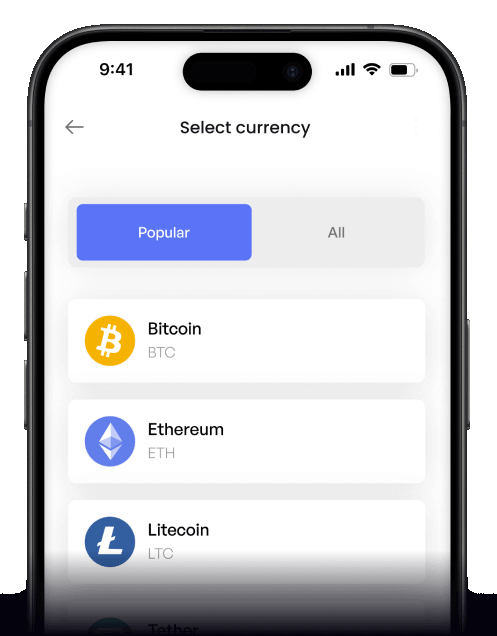
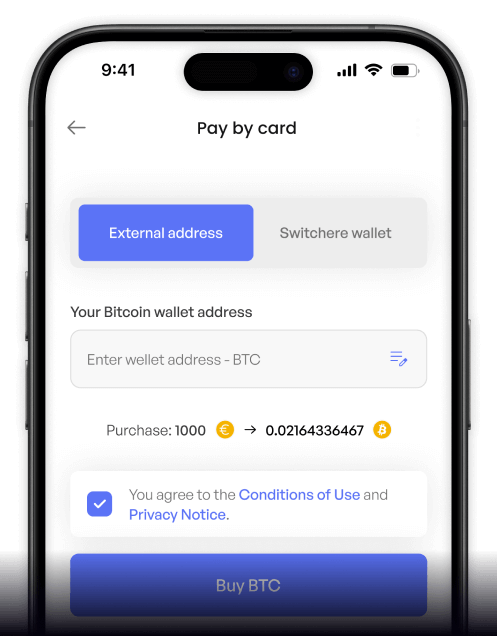
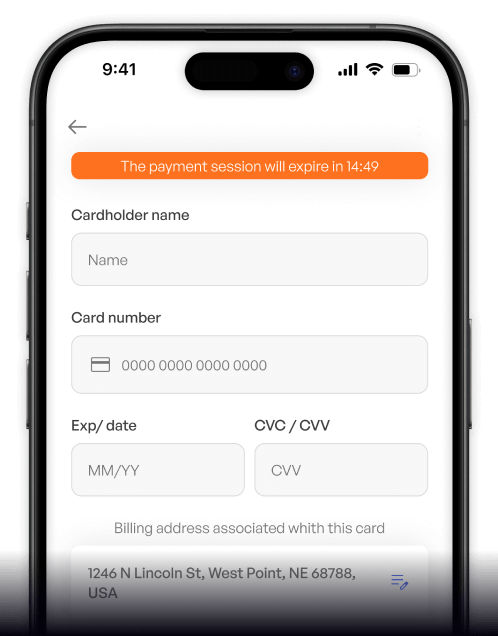
Convert
Tunisian dinar (TND) to Reserve Rights (RSR) Instantly
Purchase Reserve Rights (RSR) with Tunisian dinar (TND) easily at Switchere and benefit from fast, secure transactions.
About
Reserve Rights (RSR)
Reserve Rights (RSR) is the volatile utility and governance token of the Reserve Protocol, a decentralized network designed to combat the effects of currency devaluation and hyperinflation. The protocol's primary mission is to provide access to a stable, asset-backed digital currency as a reliable alternative to volatile fiat currencies. This is achieved through a sophisticated dual-token model, where the Reserve Protocol enables the creation of various stablecoins, known as RTokens, each backed by a distinct basket of tokenized assets held and managed by smart contracts on the blockchain.
The core of this Web3 infrastructure relies on a system of over-collateralization to ensure stability. RTokens are designed to maintain their peg through a process of arbitrage, where market participants can redeem RTokens for the underlying collateral or mint them by depositing the required assets. The RSR token plays a crucial role in this system's cryptographic security. Its primary function is to insure RTokens against collateral default. This unique recapitalization mechanism provides a robust backstop for the stablecoins built on the protocol, enhancing the integrity of the digital ledger.
As a utility token, RSR has two main functions. Firstly, RSR holders can stake their tokens on specific RTokens to earn a portion of the revenue generated by that stablecoin's collateral. Secondly, and most critically, in the event of a collateral asset failure, the staked RSR is seized and sold to restore the RToken's peg, making its holders whole. This staking and insurance model, combined with RSR's use in on-chain governance for protocol upgrades, makes it an essential component for the long-term health and decentralization of the Reserve DeFi ecosystem.
How to Buy Reserve Rights (RSR)
Popular Coins for Tunisian dinar (TND)
Other Coins for Tunisian dinar (TND)
Frequently asked questions
-
What is the most common way to buy Reserve Rights (RSR) with Tunisian Dinar (TND)?
Direct TND/RSR trading pairs are rare on major cryptocurrency exchanges. The most common method involves a two-step process: first, use a local or P2P fiat on-ramp to convert TND into a major cryptocurrency like USDT or BTC, complying with any Central Bank of Tunisia regulations. Second, transfer that digital asset to an exchange with high RSR liquidity and trade it for Reserve Rights tokens. This ensures better pricing and access to a deeper order book. -
What is the function of the RSR token within the Reserve Protocol's dual-token model?
RSR serves as the volatile, utility token in the Reserve Protocol's dual-token system. Its primary function is to maintain the stability of the protocol's stablecoins, like RSV. When a Reserve stablecoin is over-collateralized, the protocol sells new stablecoins for RSR and burns it, reducing supply. If under-collateralized, it mints and sells RSR for assets to restore the peg. RSR holders can also participate in governance and stake their tokens to earn a portion of the revenue generated by the protocol. -
Are there specific KYC/AML compliance risks when trading from TND to crypto?
Yes, regulations regarding cryptocurrency in Tunisia can be complex. Any fiat on-ramp or P2P platform facilitating the conversion of TND to a digital asset will likely require strict Know Your Customer (KYC) and Anti-Money Laundering (AML) checks. Users should ensure they use a compliant service and be prepared to provide identity verification to avoid legal issues and secure their transactions. It's crucial to understand the local regulatory framework set by Tunisian financial authorities before proceeding. -
How does arbitrage in the Reserve Protocol impact RSR token holders?
Arbitrage is fundamental to the Reserve Protocol's stability and directly involves RSR. When a Reserve stablecoin (like RSV) trades above its peg, arbitragers can buy $1 worth of collateral assets, mint 1 RSV, and sell it for a profit, with a portion of the collateral going to RSR stakers. Conversely, if it trades below the peg, they can buy 1 RSV cheaply and redeem it for $1 of collateral. These arbitrage opportunities incentivize market participants to maintain the peg, which in turn secures the protocol and creates value accrual for RSR holders through staking rewards. -
What are the primary security steps for storing RSR after purchasing with TND?
After acquiring RSR, security is paramount. Avoid leaving your digital assets on an exchange long-term. Transfer your RSR tokens to a secure digital wallet where you control the private keys. For significant amounts, a hardware wallet (cold storage) is highly recommended. Always enable Two-Factor Authentication (2FA) on any exchange accounts used, use strong, unique passwords, and be vigilant against phishing scams. Never share your private keys or seed phrase with anyone.