


Convert
Peruvian Sol (PEN) to ssv.network (SSV) Instantly


Purchase ssv.network (SSV) with Peruvian Sol (PEN) easily at Switchere and benefit from fast, secure transactions.
About
ssv.network (SSV)
ssv.network (SSV) is a fully decentralized, open-source protocol designed to enhance the security and resilience of Ethereum staking. It achieves this through Distributed Validator Technology (DVT), a groundbreaking cryptographic framework that splits an Ethereum validator key into multiple KeyShares. These shares are then distributed across a decentralized network of independent node operators. This innovative approach allows multiple nodes to jointly operate a single validator, significantly reducing slashing risks and maximizing uptime.
The native SSV token functions as the core utility token and governance token powering this vital Web3 infrastructure. Within the ssv.network ecosystem, stakers utilize the digital asset to compensate node operators for managing their KeyShares and executing consensus duties. Additionally, SSV facilitates on-chain governance, enabling token holders to vote on protocol upgrades, fee structures, and treasury allocations.
By eliminating single points of failure, ssv.network provides a robust, non-custodial, and fault-tolerant infrastructure. It acts as a foundational layer for liquid staking protocols, institutional stakers, and solo operators within the Proof-of-Stake (PoS) landscape. As Ethereum continues to scale, ssv.network cements its position as a critical player in securing the decentralized digital ledger and fostering a more resilient consensus mechanism for the broader decentralized finance (DeFi) ecosystem.

How to Buy ssv.network (SSV)
 Step-by-step guidance
 Easy credit card payments
 Streamlined purchase process
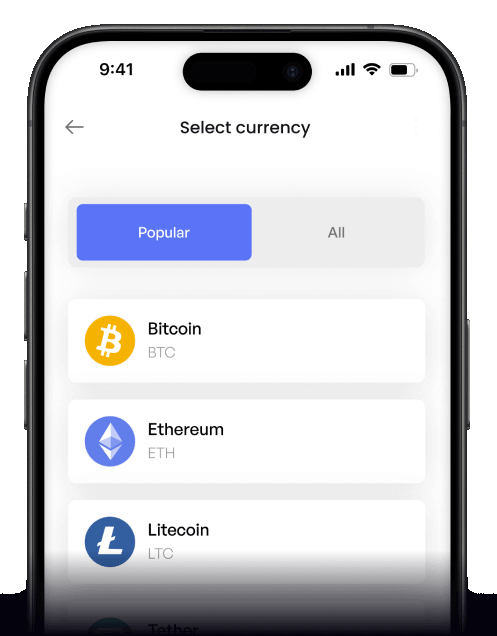
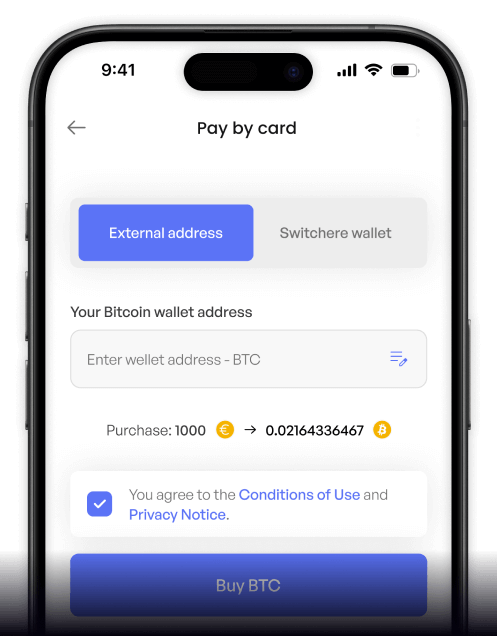
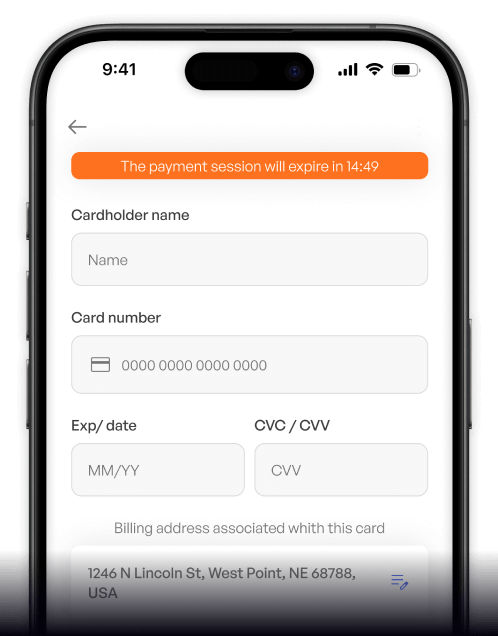
 Web
Web
Popular Coins for Peruvian Sol (PEN)




Other Coins for Peruvian Sol (PEN)





Frequently asked questions
-
How can I buy ssv.network (SSV) using Peruvian Sol (PEN)?
To purchase SSV tokens with Peruvian Sol, you need to use a fiat-to-crypto gateway or a cryptocurrency exchange that supports the PEN/SSV pair. Typically, users in Peru deposit PEN via local bank transfers, credit cards, or mobile payment apps like Yape and PLIN. Once the fiat is deposited and your KYC/AML verification is complete, you can trade your PEN balance for SSV on the exchange's order book. -
What is the primary utility of the SSV token when buying it with PEN?
Acquiring SSV tokens gives you access to ssv.network's Distributed Validator Technology (DVT) ecosystem. SSV is the native utility token used to pay operators for managing validator nodes on the Ethereum network. By purchasing SSV with your PEN fiat gateway, you are enabling secure, non-custodial Ethereum staking, increasing fault tolerance and decentralization across the Ethereum consensus layer. -
Are there specific fees associated with converting PEN to SSV tokens?
Yes, converting Peruvian Sol (PEN) to SSV involves several fee structures. You may encounter fiat deposit fees depending on your chosen Peruvian payment method (e.g., local bank transfer vs. debit card). Additionally, cryptocurrency exchanges charge trading fees (maker/taker fees) when executing the PEN/SSV trade. Finally, if you withdraw your SSV to a self-custodial digital wallet to participate in DVT staking, standard Ethereum gas fees will apply. -
Is it necessary to complete KYC when purchasing SSV with Peruvian Sol?
Yes, utilizing a fiat on-ramp to exchange PEN for digital assets like SSV requires KYC/AML compliance. Centralized cryptocurrency exchanges operating in Latin America mandate identity verification to prevent illicit financial activities. You will typically need to provide a government-issued Peruvian ID and proof of address before depositing fiat currency and accessing the SSV liquidity pools. -
How does ssv.network's DVT technology benefit Ethereum stakers?
Distributed Validator Technology (DVT) splits an Ethereum validator key into multiple KeyShares, distributed across different node operators. This ensures high fault tolerance and prevents a single point of failure or slashing penalties. Stakers who buy SSV with PEN use the token to compensate these operators, thereby securing the network through a decentralized, trustless, and non-custodial staking infrastructure.

Buy on the go
Anywhere. Anytime.
Buy crypto with your credit card from anywhere. Live rates, transparent fees, and 3D Secure on every order - the full Switchere card-buy experience in your pocket.



Scan to download the app iOS and Android

