


- Accueil
- Convertisseur
- Dominican Peso (DOP) pour Ren (REN)

Convertissez
Dominican Peso (DOP) en Ren (REN) instantanément


Achetez Ren (REN) avec Dominican Peso (DOP) facilement sur Switchere et bénéficiez de transactions rapides et sécurisées.
A propos de
Ren (REN)
Ren (REN) est un protocole d'interopérabilité décentralisé conçu pour faciliter le transfert sans permission d'actifs numériques entre différents réseaux blockchain. Son objectif principal est de débloquer la liquidité inter-chaînes pour les applications de finance décentralisée (DeFi). Le cœur du projet est la RenVM, une machine virtuelle décentralisée alimentée par un réseau de nœuds appelés Darknodes. En tirant parti du calcul multipartite sécurisé (sMPC), la RenVM peut conserver des actifs sur une chaîne et émettre une représentation ERC-20 adossée à 1:1 sur une autre, comme Ethereum, sans exposer les clés privées sous-jacentes. Ce processus permet à des actifs comme le Bitcoin (BTC) d'être utilisés au sein de l'écosystème DeFi d'Ethereum sous le nom de renBTC.
Le jeton utilitaire natif du protocole, le REN, est essentiel au fonctionnement et à la sécurité du réseau. Pour faire fonctionner un Darknode, les opérateurs doivent déposer une caution de 100 000 jetons REN en garantie. Cette mesure de sécurité cryptographique incite à un comportement honnête, car des actions malveillantes entraîneraient la confiscation de l'actif numérique mis en jeu. Les opérateurs de Darknode gagnent des récompenses grâce aux frais générés par les transferts d'actifs via la RenVM. En tant qu'élément fondamental de l'infrastructure Web3, Ren fonctionne comme un pont sans confiance, améliorant la composabilité et l'efficacité du capital de l'ensemble de l'écosystème on-chain en brisant les silos entre les blockchains disparates.

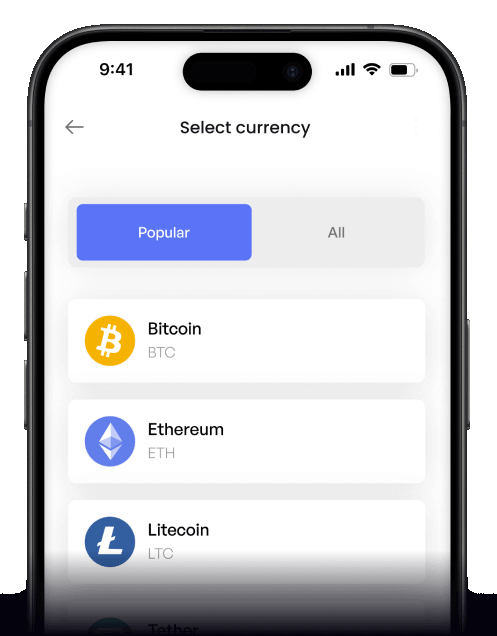
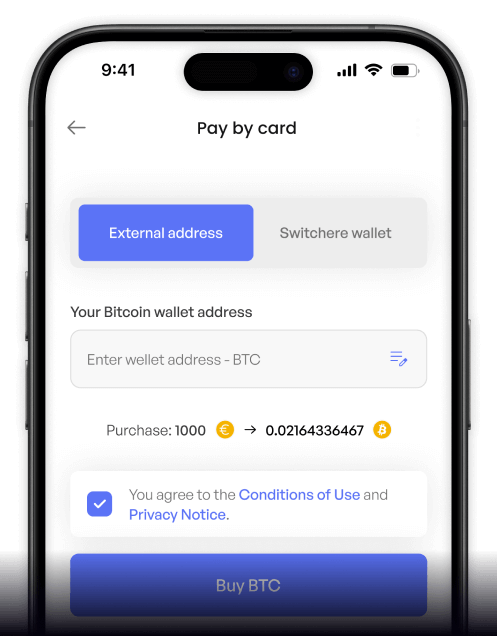
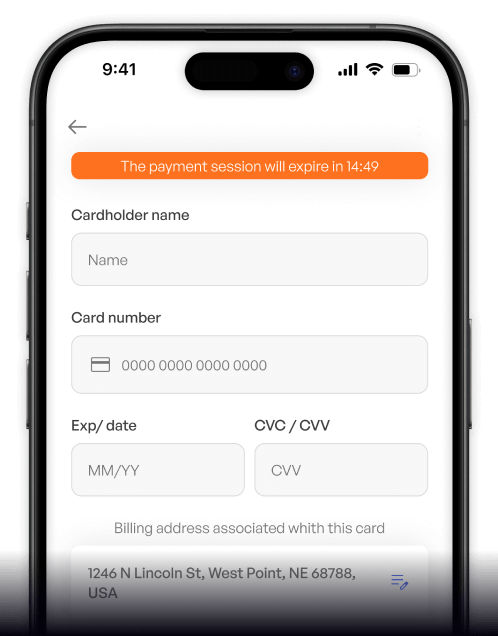
Comment acheter des Ren (REN)
 Conseils étape par étape
 Paiements faciles par carte de crédit
 Processus d'achat simplifié
 Web
Web
Monnaies populaires pour Dominican Peso (DOP)




Autres pièces pour Dominican Peso (DOP)









Questions fréquemment posées
-
Que représente la paire de trading DOP/REN dans l'écosystème des actifs numériques ?
La paire DOP/REN représente un échange entre deux jetons utilitaires de blockchain distincts. Le DOP, le jeton du Protocole de Propriété des Données, facilite la confidentialité des données contrôlée par l'utilisateur sur Ethereum en utilisant des preuves à connaissance nulle. REN est le jeton natif du protocole Ren, une solution d'interopérabilité conçue pour ponter des actifs comme le BTC vers d'autres blockchains (sous forme de renBTC). Échanger du DOP contre du REN signifie échanger un jeton pour le contrôle de la transparence des données on-chain contre un jeton qui alimente un pont d'actifs inter-chaînes. -
Quelles sont les meilleures plateformes pour exécuter un échange de jetons de DOP à REN ?
Étant donné que DOP et REN sont des actifs numériques de niche, le lieu le plus probable pour cette transaction est un échange décentralisé (DEX) comme Uniswap ou SushiSwap. Ces plateformes utilisent des contrats intelligents de teneur de marché automatisé (AMM). Pour effectuer l'échange, vous aurez besoin d'un portefeuille non dépositaire (par exemple, MetaMask) et devrez vous assurer que vous interagissez avec les bonnes adresses de contrat de jeton pour éviter les jetons contrefaits. -
Quelles sont les différences techniques fondamentales entre le Protocole de Propriété des Données (DOP) et Ren ?
La principale différence réside dans leur fonction. DOP est un protocole de confidentialité construit sur Ethereum qui utilise des preuves à connaissance nulle (ZKP) pour permettre aux utilisateurs de divulguer sélectivement leur activité et leurs avoirs sur la chaîne. Son objectif est la confidentialité des données. Ren, via son RenVM, est un protocole d'interopérabilité. Il se concentrait sur l'encapsulation d'actifs d'une chaîne (comme Bitcoin) pour une utilisation sur une autre (comme Ethereum) en verrouillant l'actif d'origine et en créant un représentant tokenisé, son objectif est donc le mouvement d'actifs inter-chaînes. -
Quels types de frais de transaction de blockchain s'appliquent lors de l'échange de DOP contre REN ?
Lorsque vous tradez sur un DEX sur le réseau Ethereum, vous rencontrerez généralement deux types de frais. Le premier est les frais de fournisseur de liquidité, un petit pourcentage (par exemple, 0,3 %) payé aux utilisateurs qui fournissent des actifs au pool de liquidité DOP/REN. Le second est les frais de gaz du réseau, payés en ETH aux validateurs de la blockchain pour le traitement de la transaction. Ces frais de gaz varient en fonction de la congestion du réseau и sont mesurés en Gwei. -
Quels sont les risques de trader une paire à faible liquidité comme DOP/REN ?
Le trading de paires à faible liquidité comme DOP/REN sur un teneur de marché automatisé (AMM) comporte deux risques principaux : un glissement (slippage) élevé et un impact significatif sur les prix. Le glissement se produit lorsque le prix d'exécution final diffère du prix attendu en raison du mouvement du marché entre la soumission et la confirmation de la transaction. L'impact sur les prix est l'effet qu'une seule transaction a sur le prix du jeton au sein du pool de liquidité ; les grosses transactions dans des pools illiquides peuvent provoquer des variations de prix drastiques. Vérifiez toujours la profondeur du pool et définissez une tolérance au glissement appropriée avant d'exécuter un échange.

Achetez où que vous soyez
Où que vous soyez. À tout moment.
Achetez des cryptomonnaies avec votre carte bancaire où que vous soyez. Taux de change en temps réel, frais transparents et 3D Secure pour chaque commande : toute l'expérience d'achat par carte Switchere à portée de main.



Scannez le code pour télécharger l'application sur iOS et Android

