


Convert
Dominican Peso (DOP) to Hedera Hashgraph (HBAR) Instantly


Purchase Hedera Hashgraph (HBAR) with Dominican Peso (DOP) easily at Switchere and benefit from fast, secure transactions.
About
Hedera Hashgraph (HBAR)
Hedera is a public distributed ledger that utilizes a unique consensus mechanism known as Hashgraph, presenting a distinct alternative to traditional blockchain technology. This enterprise-grade network is specifically engineered to address scalability and performance bottlenecks. At its core is the Directed Acyclic Graph (DAG) architecture, secured by the asynchronous Byzantine Fault Tolerance (aBFT) algorithm. This foundation, powered by a gossip-about-gossip protocol and virtual voting, enables extremely high throughput with thousands of transactions per second, low-latency finality, and mathematically proven fair ordering of transactions, all while maintaining low, fixed fees and remarkable energy efficiency. The network's governance is overseen by the Hedera Governing Council, a body of leading global organizations. Hedera offers a suite of services, including the Hedera Consensus Service (HCS) for verifiable event logging and the Hedera Token Service (HTS) for native token issuance, alongside EVM-compatible smart contracts. The native digital asset, HBAR, is the fuel of the ecosystem. This utility token is used to pay for network transaction fees, secure the network via proxy staking, and facilitate a wide range of Web3 applications and DeFi protocols built on its robust infrastructure.

How to Buy Hedera Hashgraph (HBAR)
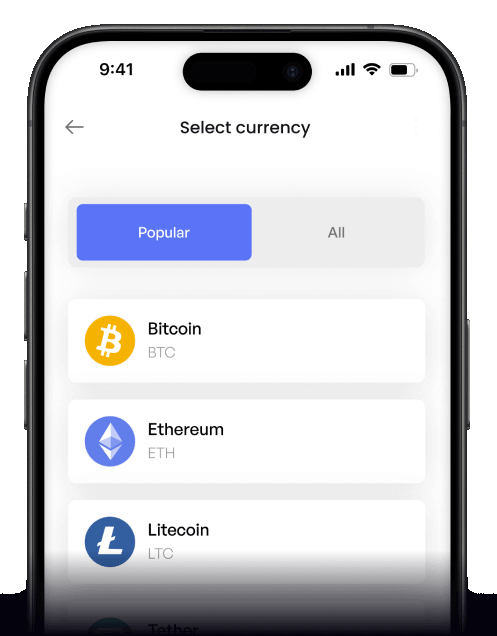
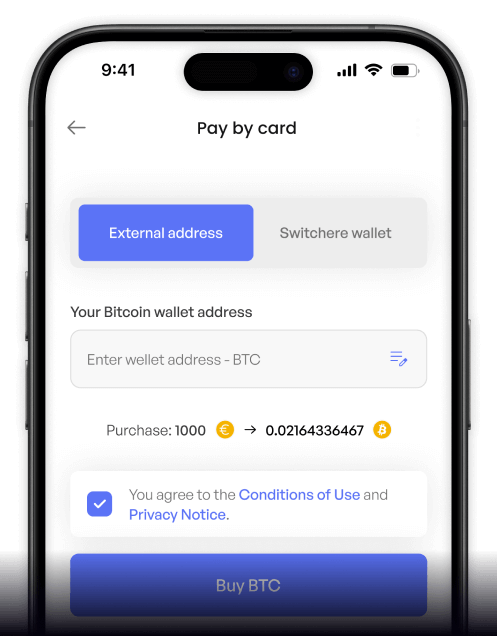
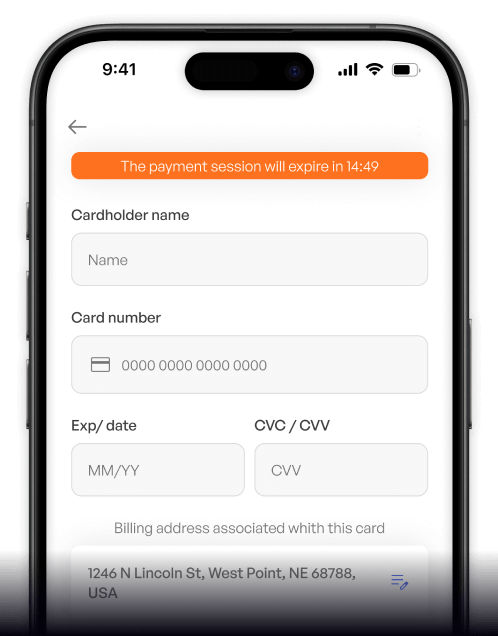
 Step-by-step guidance
 Easy credit card payments
 Streamlined purchase process
 Web
Web
Popular Coins for Dominican Peso (DOP)




Other Coins for Dominican Peso (DOP)









Frequently asked questions
-
What is the fundamental nature of the DOP/HBAR trading pair?
The DOP/HBAR pair represents a token swap between the Data Ownership Protocol (DOP), an ERC-20 token enabling selective data transparency using zero-knowledge proofs, and HBAR, the native utility token of the Hedera Hashgraph network. Trading this pair involves exchanging DOP's privacy-enhancing features for HBAR's role in securing Hedera's high-throughput, aBFT consensus service and powering its ecosystem of dApps. -
Where can I execute a DOP to HBAR token swap securely?
A DOP to HBAR swap can typically be performed on a centralized exchange (CEX) that lists the pair, or a decentralized exchange (DEX) with a relevant liquidity pool. For a DEX, you would need a self-custody wallet like MetaMask for your DOP (ERC-20) and a Hedera-compatible wallet like HashPack for HBAR. The process might involve a cross-chain bridge if swapping on a DEX not native to both assets, which requires careful verification of the bridge protocol's security. -
What technical differences between DOP and HBAR affect the swap process?
The primary technical difference is their underlying networks. DOP, as an ERC-20 token, operates on the Ethereum blockchain, subject to its variable gas fees and Proof-of-Stake consensus. HBAR operates on the Hedera network, which uses the Hashgraph consensus mechanism for fast, low-cost transactions with aBFT security. A swap may therefore require interacting with both Ethereum's EVM and Hedera's services (like the Hedera Token Service, HTS), potentially involving different fee structures and transaction finality times. -
What strategic reasons exist for swapping HBAR for DOP?
An investor might swap HBAR for DOP to utilize the Data Ownership Protocol's core feature: selective transparency. This allows users to conduct transactions or manage assets on a public blockchain while keeping specific details private through zk-SNARKs. This is strategically valuable for users who require on-chain data compliance and privacy, a functionality not native to the Hedera network itself, thus diversifying their digital asset capabilities. -
What types of fees are associated with a DOP/HBAR swap?
A DOP/HBAR swap typically involves multiple fees. First, there's the network transaction fee on the source chain (e.g., Ethereum gas fees for moving DOP). Second, the trading platform (CEX or DEX) will charge a swap fee, which on a DEX compensates liquidity providers. Third, if a cross-chain bridge is required, it will have its own protocol fee. Finally, there will be a very small, fixed HBAR fee for the final transaction on the Hedera network, which is known for its low and predictable costs.

Buy on the go
Anywhere. Anytime.
Buy crypto with your credit card from anywhere. Live rates, transparent fees, and 3D Secure on every order - the full Switchere card-buy experience in your pocket.



Scan to download the app iOS and Android

