


Convert
Dominican Peso (DOP) to Loopring (LRC) Instantly


Purchase Loopring (LRC) with Dominican Peso (DOP) easily at Switchere and benefit from fast, secure transactions.
About
Loopring (LRC)
Loopring (LRC) is a Layer-2 scaling protocol built on Ethereum, specifically engineered to power high-performance, non-custodial decentralized exchanges (DEXs) and payment applications. It directly addresses Ethereum's scalability and high gas fee issues by employing a sophisticated cryptographic method called zkRollups (Zero-Knowledge Rollups). This advanced blockchain technology allows Loopring to bundle thousands of off-chain transactions, such as trades and transfers, into a single batch. It then generates a cryptographic proof of this batch's validity, which is submitted to the Ethereum mainnet for verification. This mechanism enables massive throughput and reduces transaction fees to a fraction of on-chain costs, all while inheriting the foundational cryptographic security of the Ethereum network.
A primary function of the protocol is to support order book-based DEXs, providing a trading experience similar to centralized platforms but with the self-custody benefits of a decentralized network. The native utility token, LRC, is crucial for the ecosystem's tokenomics. It can be staked by exchange operators to run a DEX on the protocol, and stakers earn a portion of the trading fees. LRC holders can also stake their tokens to lower their own trading fees and participate in protocol governance, making it a key digital asset for building scalable Web3 infrastructure for DeFi applications.

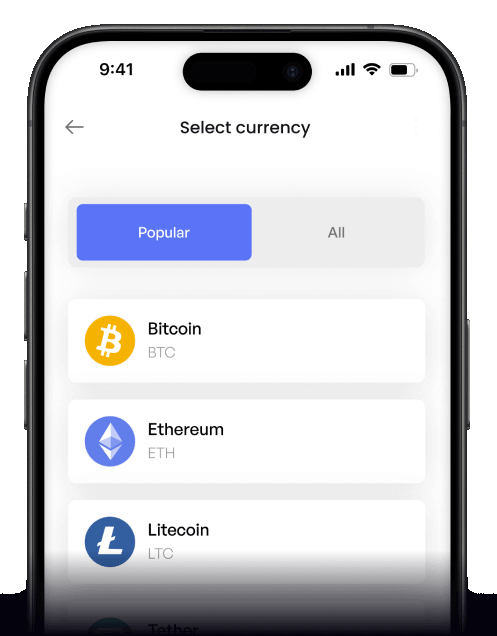
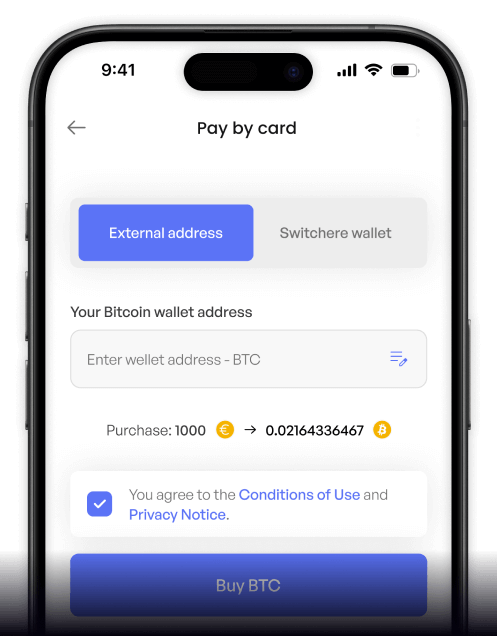
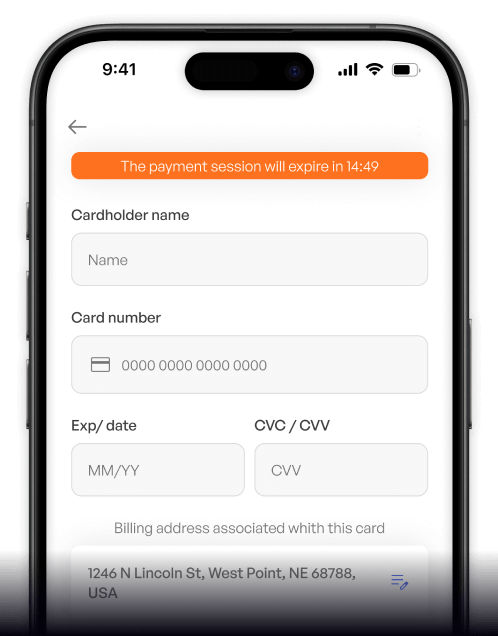
How to Buy Loopring (LRC)
 Step-by-step guidance
 Easy credit card payments
 Streamlined purchase process
 Web
Web
Popular Coins for Dominican Peso (DOP)




Other Coins for Dominican Peso (DOP)








Frequently asked questions
-
What does trading the DOP/LRC token pair on a cryptocurrency exchange signify?
Trading the DOP/LRC pair is a crypto-to-crypto transaction within the Ethereum ecosystem. It involves swapping Data Ownership Protocol (DOP) tokens, which utilize zk-SNARKs for selective on-chain data transparency, for Loopring (LRC) tokens, the utility token of a Layer-2 zkRollup scaling solution. This trade represents a value exchange between a protocol focused on data privacy and another designed for high-throughput, low-cost transactions on Ethereum. -
Where can I execute a swap between DOP and LRC tokens?
As both are Ethereum-based assets, DOP to LRC swaps are primarily conducted on decentralized exchanges (DEXes). You would use a self-custody wallet like MetaMask or the Loopring Wallet to connect to a DEX's liquidity pool. Platforms could include Ethereum mainnet DEXes like Uniswap or SushiSwap, or potentially on Loopring's own Layer-2 DEX for much lower gas fees, provided a DOP/LRC liquidity pool exists there. -
What is the strategic difference between holding DOP and holding LRC tokens?
Holding DOP is a strategic position on the future of user-owned data and selective disclosure on blockchain networks. Its value is tied to the adoption of its data privacy protocol. Holding LRC, conversely, is a bet on the growth of Ethereum's Layer-2 ecosystem. Its utility is derived from its role in powering the Loopring zkRollup DEX, including staking and fee reduction. Swapping between them reflects a shift in conviction from on-chain data control to transaction scalability. -
What kind of network fees should I expect when swapping DOP for LRC?
The network fees, or 'gas fees', depend entirely on the blockchain where the swap occurs. If you trade on a DEX on Ethereum Layer-1, fees can be substantial, paid in ETH. However, if the DOP/LRC pair is available on Loopring's Layer-2 DEX, the transaction benefits from its zkRollup technology. This means the off-chain computation significantly reduces gas fees, making the swap much more cost-effective compared to a mainnet transaction. -
Is there a technical relationship between Data Ownership Protocol's and Loopring's use of ZK technology?
Yes, both protocols leverage Zero-Knowledge (ZK) proofs, but for different core functions. DOP uses zk-SNARKs to enable privacy and selective disclosure, allowing users to control the visibility of their on-chain assets and transactions. Loopring uses zkRollups (a form of ZK proof) for scalability, bundling thousands of transactions off-chain and submitting a single proof to the Ethereum mainnet. While not directly integrated, they showcase the versatility of ZK technology: DOP for privacy, Loopring for scaling.

Buy on the go
Anywhere. Anytime.
Buy crypto with your credit card from anywhere. Live rates, transparent fees, and 3D Secure on every order - the full Switchere card-buy experience in your pocket.



Scan to download the app iOS and Android

