


Convert
Dominican Peso (DOP) to ConstitutionDAO (PEOPLE) Instantly


Purchase ConstitutionDAO (PEOPLE) with Dominican Peso (DOP) easily at Switchere and benefit from fast, secure transactions.
About
ConstitutionDAO (PEOPLE)
ConstitutionDAO (PEOPLE) represents a landmark social experiment in the history of decentralized autonomous organizations (DAOs). Its primary purpose was to collectively raise capital using blockchain technology to purchase a rare, original copy of the U.S. Constitution at a Sotheby's auction. This initiative demonstrated the power of Web3 infrastructure for rapid, large-scale decentralized fundraising, amassing over $40 million in Ethereum in less than a week. The project operated on the Ethereum network, utilizing the Juicebox protocol for its crowdfunding smart contracts, which ensured transparency and automated treasury management.
The native digital asset, PEOPLE, was issued to contributors and functioned as a governance token, granting holders voting rights on the DAO's future decisions, such as storage and exhibition of the artifact if the bid were successful. Although the DAO was ultimately outbid, the PEOPLE token's story evolved. After the treasury was opened for refunds, the token became a symbol of community power and the potential of collective action in the digital age. It persists as a memetic token, embodying one of the most significant moments in DAO history and showcasing the on-chain coordination capabilities of a decentralized network.

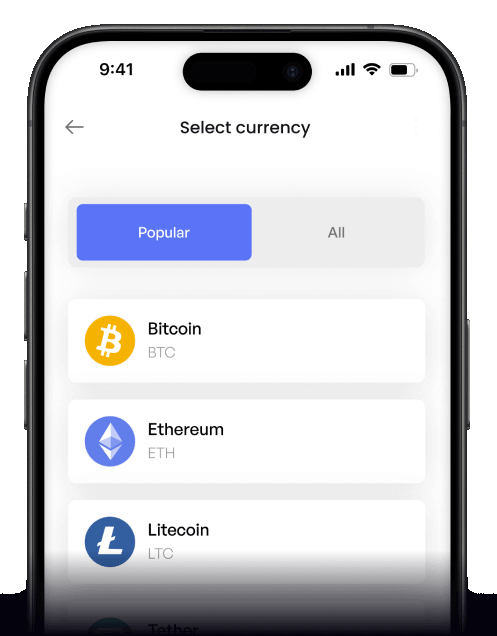
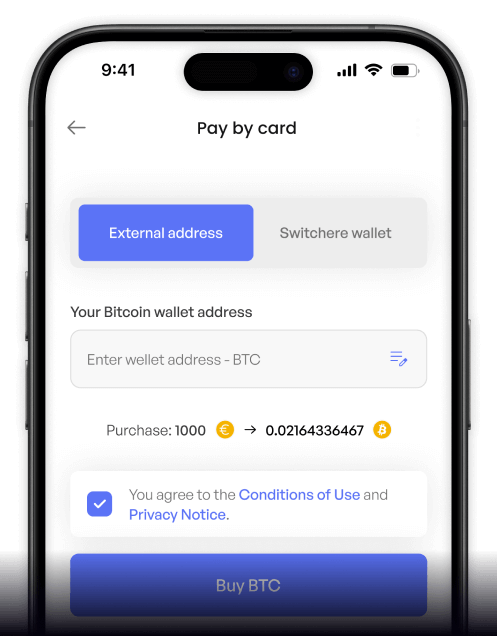
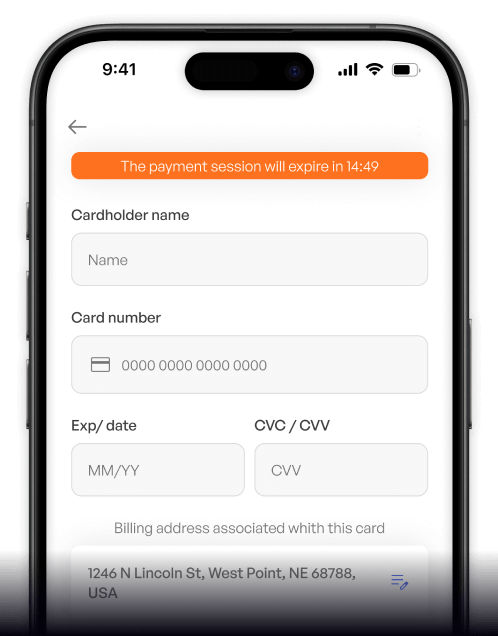
How to Buy ConstitutionDAO (PEOPLE)
 Step-by-step guidance
 Easy credit card payments
 Streamlined purchase process
 Web
Web
Popular Coins for Dominican Peso (DOP)




Other Coins for Dominican Peso (DOP)









Frequently asked questions
-
What does trading the DOP/PEOPLE pair fundamentally represent in the crypto market?
Trading the DOP/PEOPLE pair involves swapping a utility token for a governance token. DOP (Data Ownership Protocol) is designed for selective on-chain data transparency, while PEOPLE is the governance token from the historic ConstitutionDAO. This transaction represents a strategic exchange between a project focused on data privacy technology and a token symbolizing community-driven, decentralized social movements. -
What is the typical process for swapping DOP tokens for PEOPLE on a decentralized exchange (DEX)?
To swap DOP for PEOPLE on a DEX, you first need a self-custody digital wallet with DOP tokens and enough native currency (like ETH) for gas fees. Connect your wallet to a DEX that has a DOP/PEOPLE liquidity pool. Then, select DOP as the token to sell and PEOPLE as the token to buy, enter the amount, and review the transaction details, including slippage tolerance and any price impact. Finally, approve the smart contract interaction and confirm the swap. The blockchain transaction will then be processed. -
What are the core technological differences between the Data Ownership Protocol (DOP) and ConstitutionDAO (PEOPLE)?
The core difference lies in their utility and design. DOP is a utility protocol that leverages zero-knowledge proofs (zk-proofs) to give users control over their on-chain data, enabling selective transparency. Its technology is focused on privacy and data management. In contrast, PEOPLE is a standard ERC-20 governance token. It has no underlying privacy technology; its purpose was to grant voting rights within the ConstitutionDAO, and its value is now driven by community sentiment and its history as a social token. -
What are the primary risks to consider when trading the DOP/PEOPLE pair on a DEX?
When trading DOP/PEOPLE on a decentralized exchange, key risks include price volatility, potential low liquidity leading to high slippage, and smart contract risk. Price volatility is inherent in crypto, especially for a social token like PEOPLE. Low liquidity in the trading pool can cause your final execution price to differ significantly from the expected price (slippage). Lastly, all DEX transactions rely on smart contracts, which, despite audits, carry a non-zero risk of bugs or exploits. -
How do gas fees on the Ethereum network impact DOP/PEOPLE swaps?
Since both DOP and PEOPLE are primarily ERC-20 tokens, any swap between them on a decentralized exchange occurs on the Ethereum blockchain and requires gas fees. These fees, paid in ETH, compensate validators for processing the transaction. During periods of high network congestion, gas fees can increase significantly, making smaller trades economically unviable. It is crucial to check the current gas price (Gwei) on a blockchain explorer before initiating a token swap to manage costs effectively.

Buy on the go
Anywhere. Anytime.
Buy crypto with your credit card from anywhere. Live rates, transparent fees, and 3D Secure on every order - the full Switchere card-buy experience in your pocket.



Scan to download the app iOS and Android

