


Convert
Dominican Peso (DOP) to Convex Finance (CVX) Instantly


Purchase Convex Finance (CVX) with Dominican Peso (DOP) easily at Switchere and benefit from fast, secure transactions.
About
Convex Finance (CVX)
Convex Finance (CVX) operates as a pivotal DeFi protocol on the Ethereum blockchain, specifically engineered to optimize yield generation for Curve Finance (CRV) liquidity providers and CRV stakers. The platform's primary purpose is to allow users to access boosted CRV rewards without the necessity of personally locking substantial CRV for veCRV. Convex achieves this by aggregating CRV deposits from its users, converting them into veCRV, and strategically allocating this collective voting power to maximize CRV emissions for its integrated liquidity pools. This innovative approach within its smart contract architecture democratizes higher DeFi yields within the decentralized network.
The CVX token is central to the Convex Finance ecosystem, serving as both a utility and governance token. Holders can stake CVX to receive a proportional share of the platform's revenue, which is generated from performance fees on the boosted CRV earnings; this staking mechanism provides a direct incentive. Moreover, CVX token holders possess governance rights, enabling them to influence key protocol decisions and upgrades through its on-chain system. The tokenomics also incentivize liquidity for cvxCRV, a liquid staked derivative representing CRV deposited into Convex. As a dominant force in the "Curve Wars," Convex has established itself as a critical influence aggregator and yield optimization layer within the broader decentralized finance landscape, enhancing capital efficiency and shaping digital asset strategies.

How to Buy Convex Finance (CVX)
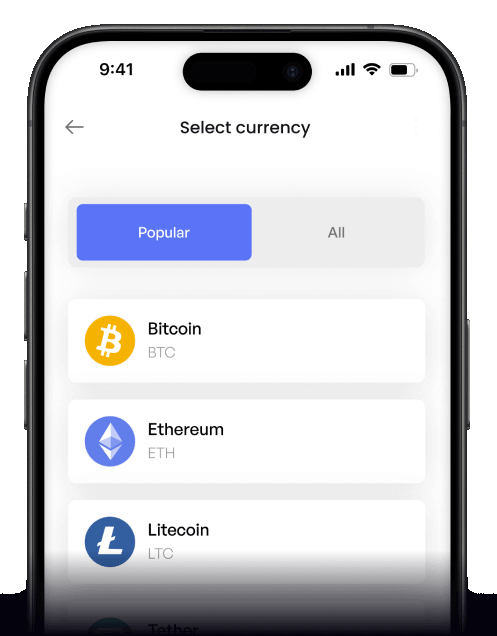
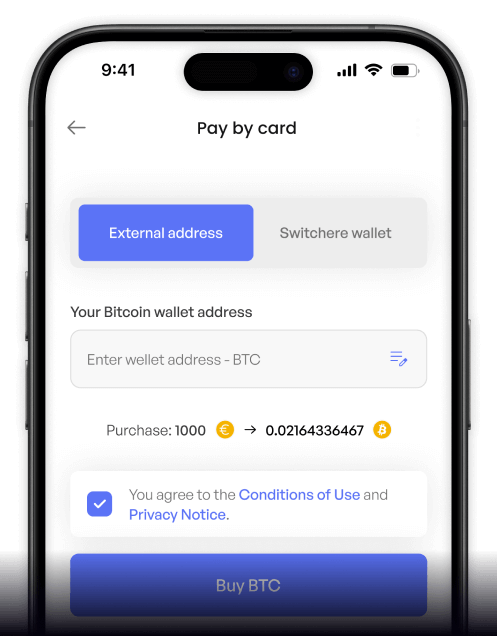
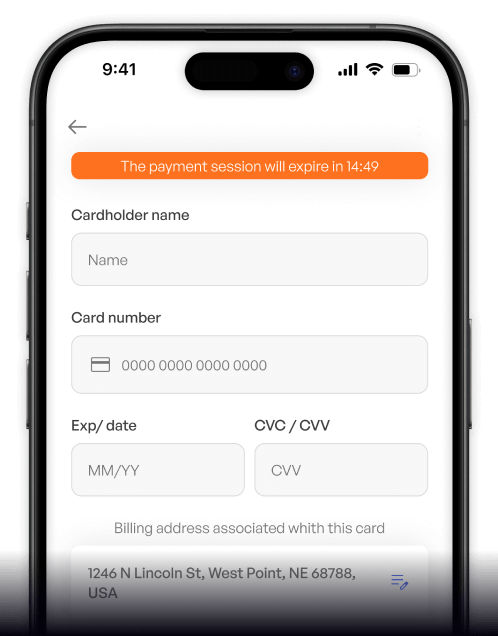
 Step-by-step guidance
 Easy credit card payments
 Streamlined purchase process
 Web
Web
Popular Coins for Dominican Peso (DOP)




Other Coins for Dominican Peso (DOP)




Frequently asked questions
-
What does swapping DOP for Convex Finance (CVX) tokens signify within the DeFi ecosystem?
Swapping DOP for CVX represents a strategic shift from a utility token focused on data privacy to a governance and yield-optimization token. DOP, through its Data Ownership Protocol, utilizes zero-knowledge proofs for selective data sharing. In contrast, CVX is integral to the Curve Finance ecosystem, allowing holders to boost rewards on CRV liquidity pools and participate in governance. This digital asset exchange on a DEX signifies a portfolio adjustment from a privacy-centric protocol to one focused on maximizing DeFi yields. -
What are the primary steps to swap DOP tokens for CVX on a decentralized exchange (DEX)?
To swap DOP for CVX, first connect your self-custody wallet (e.g., MetaMask) to a DEX that supports the trading pair, such as Uniswap or SushiSwap. Navigate to the swap interface, select DOP as the token to sell and CVX as the token to buy. You must verify the correct smart contract addresses for both tokens to avoid scams. Enter the amount, review the estimated gas fees and slippage tolerance, and then approve the smart contract to interact with your DOP. Finally, confirm the swap transaction in your wallet. -
What are the risks of providing liquidity to a DOP/CVX pool on an AMM?
Providing liquidity to a DOP/CVX pool involves several DeFi-specific risks. The primary risk is impermanent loss, where the value of your deposited assets can decrease compared to simply holding them if the price ratio between DOP and CVX changes significantly. Additionally, there's smart contract risk, as vulnerabilities in either the AMM's protocol, DOP's contract, or Convex Finance's contracts could be exploited. Finally, both digital assets are subject to market volatility, which can impact the overall value of your liquidity provider (LP) position. -
How do the tokenomics of DOP and Convex Finance influence the DOP/CVX trading pair?
The DOP/CVX pair's value is driven by the distinct utilities defined in their tokenomics. DOP's value is linked to demand for its Data Ownership Protocol, where tokens are used for transactions involving selective data sharing via zk-SNARKs. CVX's value is derived from its role in DeFi yield optimization; it accrues value from Curve Finance trading fees and its utility in directing CRV emissions through the vlCVX vote-locking mechanism. The trading pair's exchange rate reflects the market's relative demand for data privacy versus enhanced DeFi yield farming and governance power. -
What is the strategic difference between holding DOP and holding CVX tokens?
Holding DOP is a strategy focused on the future of data privacy and control. Its utility lies within its native protocol for enabling user-owned data and selective disclosure. Holding CVX, however, is a pure DeFi strategy. It aims to maximize yield from the Curve ecosystem by boosting rewards and earning a share of platform fees. Furthermore, locking CVX as vlCVX grants governance rights, allowing holders to influence CRV reward allocations, a powerful position within DeFi.

Buy on the go
Anywhere. Anytime.
Buy crypto with your credit card from anywhere. Live rates, transparent fees, and 3D Secure on every order - the full Switchere card-buy experience in your pocket.



Scan to download the app iOS and Android

