


Convert
Dominican Peso (DOP) to The Graph (GRT) Instantly


Purchase The Graph (GRT) with Dominican Peso (DOP) easily at Switchere and benefit from fast, secure transactions.
About
The Graph (GRT)
The Graph (GRT) is a decentralized indexing protocol for querying and organizing data from blockchains, akin to a search engine for the Web3 ecosystem. It addresses a critical challenge in blockchain technology: the difficulty of efficiently retrieving specific on-chain data. Before The Graph, developers had to build and operate proprietary indexing servers, a resource-intensive process. This protocol provides a foundational middleware layer, enabling decentralized applications (dApps) to query complex smart contract data through open APIs called subgraphs, significantly streamlining the development of DeFi applications and other Web3 infrastructure.
At its core, the network utilizes a work token, GRT, to coordinate participants: Indexers, Curators, and Delegators. Indexers operate nodes and stake GRT to process queries and provide indexing services. Curators are subgraph developers or data consumers who signal which subgraphs are high-quality by staking GRT. Delegators contribute to network security by delegating their GRT to existing Indexers. This tokenomics model creates a vibrant data economy powered by cryptographic security. By leveraging GraphQL as its query language, The Graph offers a powerful tool, solidifying its position as an essential component for building truly decentralized applications on a global, verifiable digital ledger.

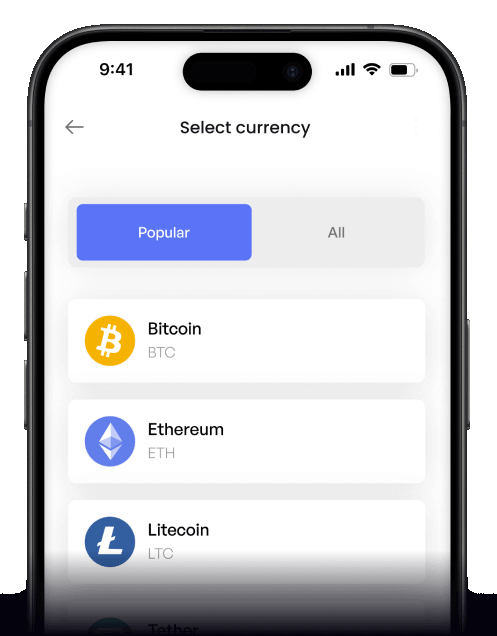
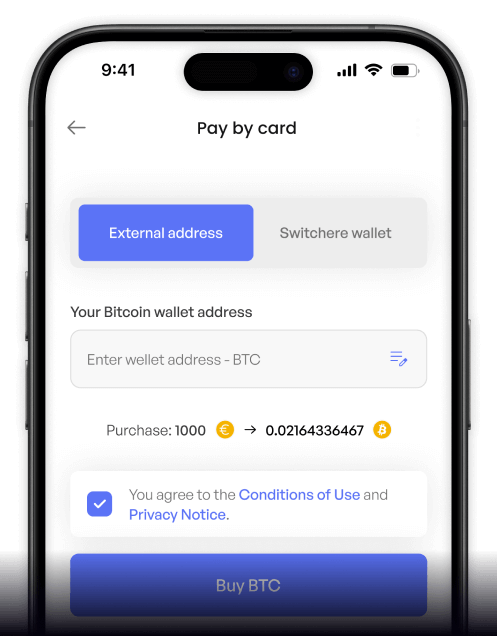
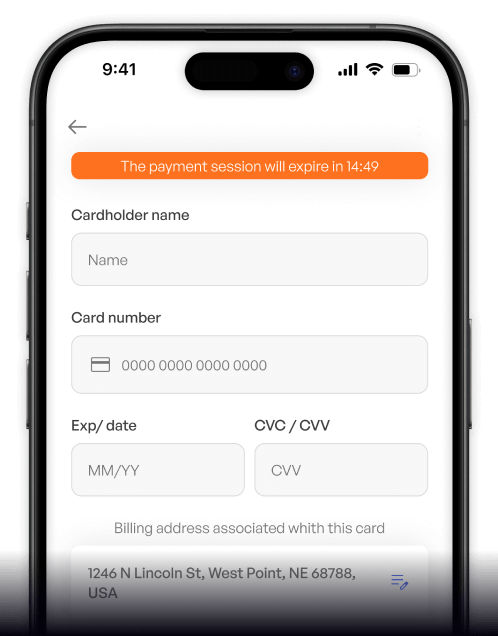
How to Buy The Graph (GRT)
 Step-by-step guidance
 Easy credit card payments
 Streamlined purchase process
 Web
Web
Popular Coins for Dominican Peso (DOP)




Other Coins for Dominican Peso (DOP)









Frequently asked questions
-
What does the DOP/GRT trading pair represent?
The DOP/GRT pair represents the exchange rate between the Data Ownership Protocol (DOP) token and The Graph (GRT) token. It allows traders to swap DOP, a token focused on enabling selective transparency on public blockchains using zk-SNARKs, for GRT, the utility token of the decentralized protocol for indexing and querying blockchain data. -
Why trade between DOP and GRT instead of using a stablecoin?
Trading directly between two crypto assets like DOP and GRT can be more efficient, involving fewer transactions and potentially lower fees compared to a two-step process (e.g., DOP to USD, then USD to GRT). This direct crypto-to-crypto swap is ideal for portfolio rebalancing between different sectors of the Web3 ecosystem—from a user-controlled data privacy project (DOP) to a core data infrastructure protocol (GRT). -
What are the primary platforms for trading the DOP/GRT pair?
The DOP/GRT pair can be traded on cryptocurrency exchanges where both digital assets are listed. These include centralized exchanges (CEXs) that offer deep liquidity and order books, and decentralized exchanges (DEXs) that allow for non-custodial swaps directly from your digital wallet. The availability will depend on which exchanges have chosen to create a market for this specific crypto-to-crypto pair. -
What are the key technical differences between DOP and GRT to consider when trading?
The core difference lies in their utility. DOP is a protocol focused on data privacy, using zero-knowledge proofs (zk-SNARKs) to allow for user-controlled data disclosure on blockchains. GRT, conversely, is the work token for The Graph Network, an indexing protocol that makes public blockchain data easily queryable via subgraphs and GraphQL APIs. Your trade is essentially a shift between a privacy-enhancing technology and a data accessibility infrastructure. -
What are the typical risks associated with a DOP/GRT swap on a DEX?
When swapping DOP for GRT on a decentralized exchange (DEX), key risks include price slippage, where the final execution price differs from the expected price due to market volatility. You also face potential smart contract risks from interacting with the DEX's protocol, and you must pay blockchain transaction fees (gas fees), which can be high during network congestion. Always verify the contract addresses for both DOP and GRT to avoid interacting with fraudulent tokens.

Buy on the go
Anywhere. Anytime.
Buy crypto with your credit card from anywhere. Live rates, transparent fees, and 3D Secure on every order - the full Switchere card-buy experience in your pocket.



Scan to download the app iOS and Android

