


- Accueil
- Convertisseur
- Dominican Peso (DOP) pour EOS (EOS)

Convertissez
Dominican Peso (DOP) en EOS (EOS) instantanément


Achetez EOS (EOS) avec Dominican Peso (DOP) facilement sur Switchere et bénéficiez de transactions rapides et sécurisées.
A propos de
EOS (EOS)
EOS (EOS) est une plateforme blockchain de troisième génération conçue à l'aide du logiciel libre EOSIO, destinée à soutenir le développement, l'hébergement et l'exécution d'applications décentralisées (dApps) à grande échelle. Elle vise à résoudre les problèmes d'évolutivité et de facilité d'utilisation des technologies blockchain antérieures en offrant un débit de transaction élevé et un modèle de gouvernance flexible. Le cœur de son architecture s'articule autour d'un mécanisme de consensus par preuve déléguée (DPoS), où les détenteurs de jetons votent pour les producteurs de blocs (BP) responsables de la validation des transactions et du maintien du réseau décentralisé. Ce système est conçu pour permettre des temps de blocage plus rapides et un nombre de transactions par seconde nettement plus élevé que dans de nombreux réseaux à preuve de travail.
L'une des principales caractéristiques d'EOS est son modèle basé sur les ressources, dans lequel la détention et la mise en jeu de jetons EOS accordent aux utilisateurs et aux développeurs un accès proportionnel aux ressources du réseau telles que le CPU (calcul) et le NET (bande passante), plutôt que d'exiger des frais de gaz par transaction. La mémoire vive, une autre ressource essentielle pour le stockage des données sur la chaîne, est échangée sur un marché ouvert. EOS prend en charge les contrats intelligents écrits en C++ et compilés en WebAssembly (WASM), offrant ainsi un environnement robuste pour le développement de dApp complexes. L'actif numérique EOS remplit de multiples fonctions : il s'agit d'un jeton utilitaire permettant d'accéder aux ressources du réseau, il facilite la gouvernance de la chaîne en votant pour les BP et les modifications du protocole, et il sert de moyen d'échange au sein de son écosystème.
EOS se positionne comme une infrastructure Web3 fondamentale, s'efforçant de fournir une plateforme conviviale pour les développeurs et les entreprises. Bien qu'elle soit confrontée à un paysage concurrentiel, l'accent qu'elle met sur l'évolutivité, l'expérience utilisateur comparable à celle d'une entreprise grâce au jalonnement des ressources et ses capacités établies en matière de contrats intelligents lui permettent de prendre en charge diverses applications DeFi, des plateformes de jeux et d'autres solutions sur la chaîne. Le développement continu du logiciel EOSIO et les initiatives menées par la communauté continuent de façonner son rôle dans l'espace plus large du grand livre numérique, en se concentrant sur l'amélioration des performances et de l'interopérabilité.

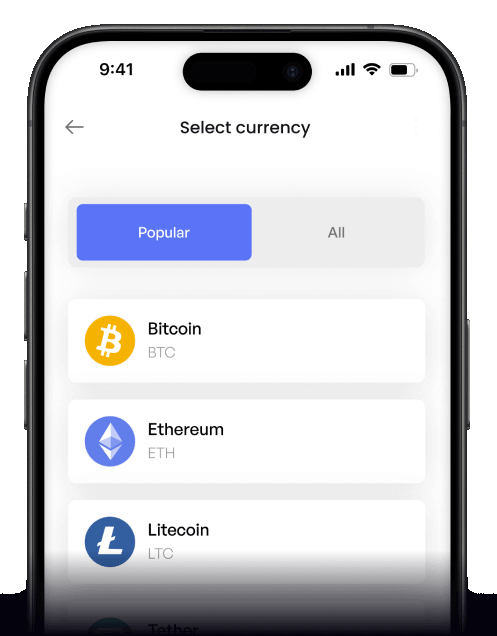
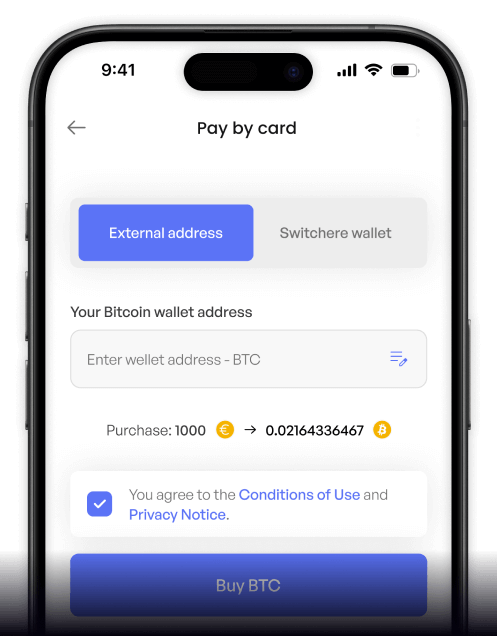
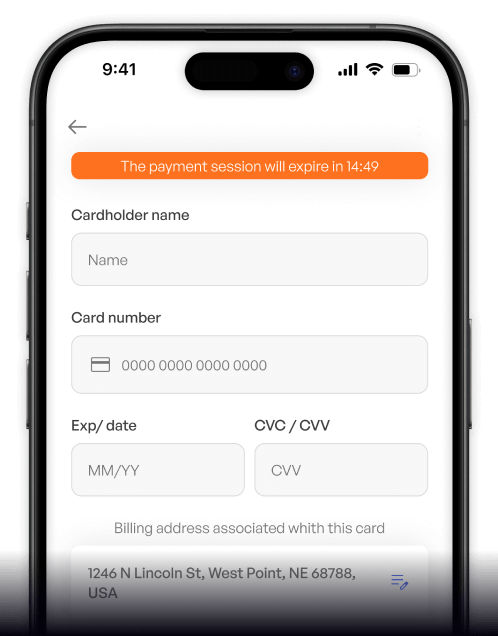
Comment acheter des EOS (EOS)
 Conseils étape par étape
 Paiements faciles par carte de crédit
 Processus d'achat simplifié
 Web
Web
Monnaies populaires pour Dominican Peso (DOP)





Autres pièces pour Dominican Peso (DOP)










Questions fréquemment posées
-
Qu'est-ce que la paire de trading DOP/EOS et que représente-t-elle ?
La paire DOP/EOS représente un marché direct sur une bourse de cryptomonnaies pour échanger le jeton du Data Ownership Protocol (DOP) contre le jeton natif du réseau EOS. Le trading de cette paire vous permet de spéculer sur la valeur relative entre DOP, un protocole utilisant des preuves à divulgation nulle de connaissance pour une transparence flexible des données sur la chaîne, et EOS, une blockchain à haute performance en preuve d'enjeu déléguée (DPoS) conçue pour des applications décentralisées évolutives. -
Quel est l'avantage stratégique de convertir l'EOS en DOP ?
La conversion d'EOS en DOP permet à un investisseur de passer d'un actif de blockchain de couche 1 axé sur la performance et l'infrastructure dApp à un jeton utilitaire centré sur la confidentialité des données et la divulgation sélective. L'avantage principal est d'obtenir une exposition à l'écosystème du Data Ownership Protocol, qui donne aux utilisateurs le contrôle sur leurs données de transaction sur la chaîne. C'est une démarche stratégique pour ceux qui croient en l'importance croissante des technologies améliorant la confidentialité et des preuves à divulgation nulle de connaissance dans l'espace Web3. -
Quelles sont les exigences techniques pour stocker en toute sécurité les jetons DOP et EOS ?
Étant donné que le DOP est un jeton ERC-20 sur Ethereum, vous avez besoin d'un portefeuille numérique compatible avec Ethereum (par exemple, MetaMask, Ledger). Pour EOS, vous avez besoin d'un portefeuille EOS spécifique qui prend en charge le logiciel EOSIO et son système unique de nom de compte et son modèle de ressources (CPU, NET, RAM). Par conséquent, un stockage sécurisé signifie gérer deux clés privées différentes pour deux écosystèmes de blockchain distincts. Bien qu'un portefeuille multi-devises ou une bourse de cryptomonnaies puisse détenir les deux, pour l'auto-garde, il est crucial de sécuriser les informations d'identification distinctes pour chaque réseau. -
Comment la liquidité d'un carnet d'ordres affecte-t-elle le trading DOP/EOS ?
La liquidité est essentielle pour la paire de trading DOP/EOS. Une liquidité élevée, indiquée par un carnet d'ordres profond avec de nombreux ordres d'achat et de vente à des écarts de prix serrés, garantit que les traders peuvent exécuter de grosses transactions sans impacter de manière significative le prix du marché (faible glissement). Inversement, une faible liquidité entraîne des écarts plus larges et un glissement plus élevé, ce qui rend le trading plus coûteux et peut potentiellement provoquer de la volatilité des prix. Un volume de trading élevé est souvent corrélé à une bonne liquidité, offrant une expérience de trading plus fluide. -
Y a-t-il des frais de transaction associés aux réseaux DOP et EOS lors du trading ?
Oui, mais ils fonctionnent différemment. Pour le DOP, en tant que jeton ERC-20, tout transfert sur la chaîne (comme un dépôt sur une bourse) nécessite le paiement de frais de gaz en ETH. Le réseau EOS a un modèle de ressources unique. Au lieu de frais de transaction directs, les utilisateurs mettent en jeu des EOS pour accéder aux ressources réseau (CPU et NET) nécessaires aux transactions. Bien que souvent décrit comme « sans frais », cela signifie que vous devez disposer de ressources suffisantes allouées à votre compte EOS pour effectuer des transactions. De plus, la plateforme de trading elle-même facturera ses propres frais de trading pour l'exécution de l'échange.

Achetez où que vous soyez
Où que vous soyez. À tout moment.
Achetez des cryptomonnaies avec votre carte bancaire où que vous soyez. Taux de change en temps réel, frais transparents et 3D Secure pour chaque commande : toute l'expérience d'achat par carte Switchere à portée de main.



Scannez le code pour télécharger l'application sur iOS et Android

