


Convert
Dominican Peso (DOP) to Celsius (CEL) Instantly


Purchase Celsius (CEL) with Dominican Peso (DOP) easily at Switchere and benefit from fast, secure transactions.
About
Celsius (CEL)
Celsius Network, with its native CEL token, emerged as a major centralized finance (CeFi) platform designed to bridge the gap between traditional banking and the world of digital assets. Its primary function was to offer users the ability to earn yield on their cryptocurrency holdings and to take out crypto-collateralized loans. The platform operated on a custodial basis, managing user funds to generate interest income through lending activities to institutional borrowers. This model positioned it as a user-friendly alternative for crypto holders seeking to put their assets to work without navigating complex DeFi protocols.
The CEL token was the core of its loyalty and rewards system. As a utility token, holding and using CEL provided tangible benefits within the Celsius ecosystem, such as preferential interest rates for both earning and borrowing. Users could receive higher yields on their deposited assets and lower rates on loans, with rewards often distributed weekly in the form of CEL. This tokenomics structure was designed to incentivize user loyalty and drive demand for the native asset. However, the platform faced significant operational challenges and market pressures, which ultimately led to a Chapter 11 bankruptcy filing, profoundly impacting its users and reshaping the narrative around risk in the CeFi lending industry.

How to Buy Celsius (CEL)
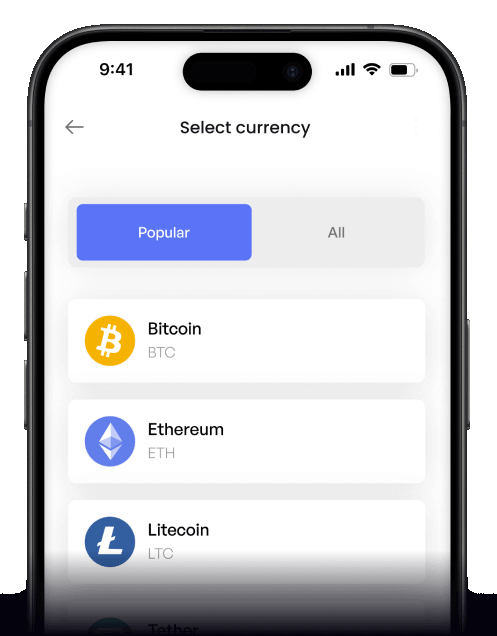
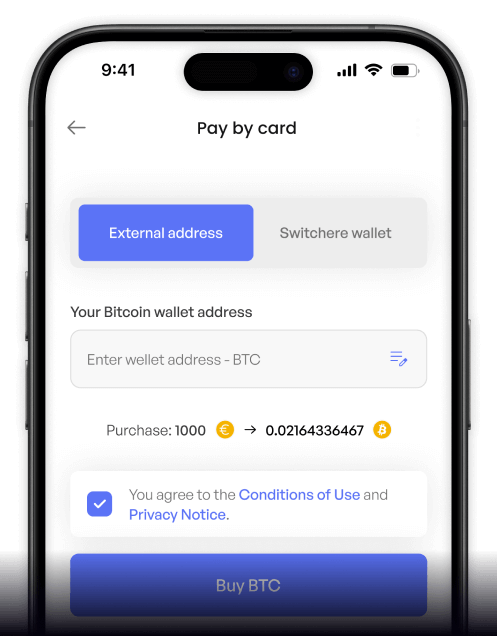
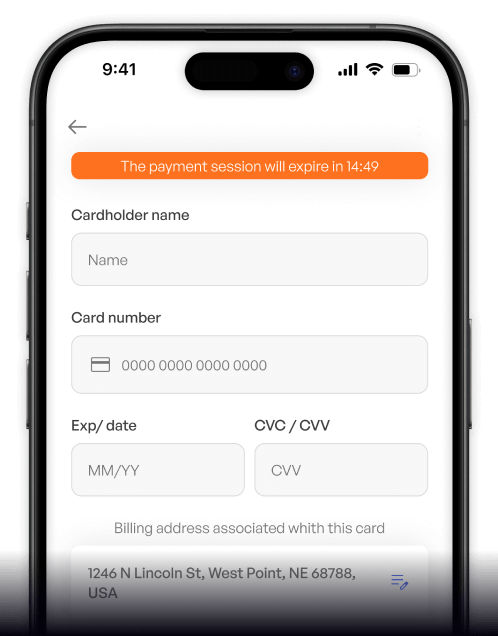
 Step-by-step guidance
 Easy credit card payments
 Streamlined purchase process
 Web
Web
Popular Coins for Dominican Peso (DOP)




Other Coins for Dominican Peso (DOP)









Frequently asked questions
-
What does the DOP/CEL trading pair represent in the digital asset market?
The DOP/CEL pair represents a crypto-to-crypto exchange rate between the Data Ownership Protocol (DOP) token and the Celsius (CEL) token. Trading this pair means you are swapping DOP, a token utilized for selective on-chain data transparency via ZK-proofs, for CEL, the utility token of the Celsius Network. This type of transaction is typically executed on a decentralized exchange (DEX) where users can directly trade digital assets from their non-custodial wallets. -
What are the common platforms for swapping DOP tokens for CEL tokens?
A direct DOP/CEL swap is most likely to be found on a decentralized exchange (DEX) that supports tokens from the Ethereum blockchain (as both are primarily ERC-20 tokens). Platforms like Uniswap or SushiSwap might have a liquidity pool for this pair if created by the community. You would need a compatible Web3 digital wallet, such as MetaMask, to connect to the DEX and execute the blockchain transaction, paying gas fees in ETH. -
What are the primary risks when trading the DOP/CEL digital asset pair?
The primary risks include high volatility and low liquidity, as DOP/CEL is a niche pairing. Low liquidity can lead to significant price slippage during swaps. Additionally, there's smart contract risk if trading on a DEX. Specific to CEL, its value is heavily influenced by the ongoing Celsius Network bankruptcy proceedings, making it highly speculative. For DOP, as a newer project, there are inherent risks associated with its technology adoption and mainnet development. -
What are the core technical functions of the DOP and CEL tokens in their respective ecosystems?
DOP's core function is to facilitate the Data Ownership Protocol, enabling users to perform encrypted transactions and selectively disclose asset holdings using zero-knowledge proofs (ZK-proofs). It's designed for on-chain privacy and data control. Conversely, CEL was the utility token for the Celsius Network's CeFi platform, used for earning higher yields, getting loan discounts, and making payments within that ecosystem. Its future utility is now subject to the company's restructuring plan. -
How are blockchain transaction fees (gas) handled when swapping DOP for CEL?
When swapping ERC-20 tokens like DOP and CEL on a decentralized exchange on Ethereum, you must pay gas fees in Ethereum's native currency, ETH. This fee compensates network validators for processing and securing your transaction on the blockchain. The gas fee amount fluctuates based on network congestion. A successful swap typically involves two transactions: one to approve the DEX to spend your DOP, and a second for the actual swap to CEL, both requiring gas.

Buy on the go
Anywhere. Anytime.
Buy crypto with your credit card from anywhere. Live rates, transparent fees, and 3D Secure on every order - the full Switchere card-buy experience in your pocket.



Scan to download the app iOS and Android

