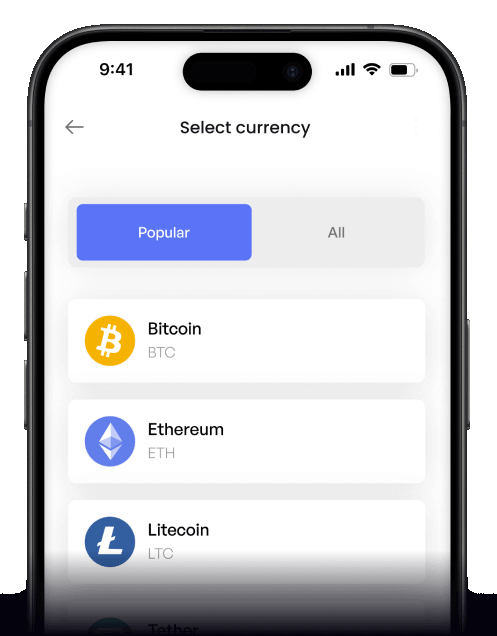
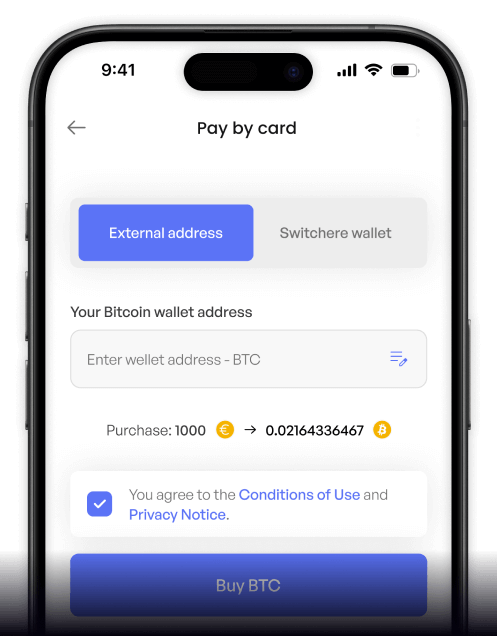
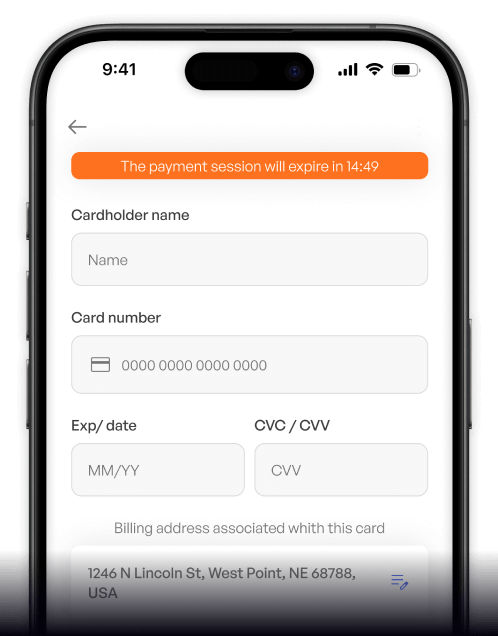
Purchase EOS (EOS) with United Arab Emirates dirham (AED) easily at Switchere and benefit from fast, secure transactions.
EOS (EOS) is a third-generation blockchain platform engineered using the EOSIO open-source software, designed to support the development, hosting, and execution of decentralized applications (dApps) at scale. It aims to solve the scalability and usability challenges prevalent in earlier blockchain technology by offering high transaction throughput and a flexible governance model. The core of its architecture revolves around a Delegated Proof-of-Stake (DPoS) consensus mechanism, where token holders vote for Block Producers (BPs) responsible for validating transactions and maintaining the decentralized network. This system is designed to enable faster block times and significantly higher transactions per second compared to many proof-of-work networks.
A key distinguishing feature of EOS is its resource-based model, where holding and staking EOS tokens grants users and developers proportional access to network resources like CPU (computation) and NET (bandwidth), rather than requiring per-transaction gas fees. RAM, another critical resource for storing on-chain data, is traded on an open market. EOS supports smart contracts written in C++ and compiled to WebAssembly (WASM), providing a robust environment for complex dApp development. The EOS digital asset serves multiple functions: it's a utility token for accessing network resources, facilitates on-chain governance through voting for BPs and protocol amendments, and acts as a medium of exchange within its ecosystem.
EOS positions itself as a foundational Web3 infrastructure, striving to provide a developer-friendly and enterprise-grade platform. While facing a competitive landscape, its emphasis on scalability, a feeless-like user experience through resource staking, and its established smart contract capabilities allow it to support diverse DeFi applications, gaming platforms, and other on-chain solutions. The ongoing development of the EOSIO software and community-led initiatives continue to shape its role within the broader digital ledger space, focusing on enhancing performance and interoperability.
The most common method to acquire EOS with AED is through a regulated cryptocurrency exchange that serves the UAE market. These platforms act as a fiat on-ramp, typically requiring users to complete KYC/AML compliance. After verification, you can fund your account using a local UAE bank transfer or a debit/credit card to proceed with the digital asset purchase on the AED/EOS order book.
EOS is known for its unique resource model which eliminates traditional per-transaction fees. Instead of paying a gas fee, users stake a small amount of EOS tokens to reserve network resources (CPU and NET). RAM, used for account storage, is purchased. For the average user, this means you can perform a certain number of transactions 'for free' based on your staked EOS, making it highly efficient for dApp interactions and transfers after your initial digital asset purchase.
Developers in the UAE region might use an AED fiat on-ramp to acquire EOS because it's a high-performance blockchain designed for scalable decentralized applications (dApps). The EOSIO software supports smart contracts written in languages like C++ which are then compiled to WebAssembly (WASM). This, combined with the resource-based fee model and fast transaction finality, makes EOS an attractive platform for building complex and high-usage dApps, ranging from gaming to finance.
EOS utilizes a Delegated Proof-of-Stake (DPoS) consensus mechanism where a limited number of elected Block Producers (BPs) validate transactions. This architecture allows for significantly higher throughput and faster block confirmation times (around 0.5 seconds) compared to many other blockchains. For a user, this means that once your AED to EOS purchase is complete, withdrawing the EOS to a personal digital wallet is an extremely fast blockchain transaction.
After completing your AED to EOS digital asset purchase on an exchange, the most critical security step is to transfer your EOS to a personal, non-custodial digital wallet. This ensures you have full control over your private keys. For significant holdings, using a hardware wallet is highly recommended for secure, offline storage. Always double-check the recipient address before sending and never share your private keys or seed phrase with anyone.
The AED/EOS trading pair is considered more of a regional or exotic pair, meaning its liquidity and trading volume might be lower than pairs like USD/EOS or EUR/EOS. When making a large digital asset purchase, it's important to check the order book depth on your chosen cryptocurrency exchange. Lower liquidity can lead to a wider bid-ask spread and potentially higher slippage, meaning the execution price may differ from the expected price. For large transactions, consider breaking them into smaller orders.