Convert
AED to LINK Instantly
United Arab Emirates dirham to Chainlink (ERC20) at the real-time exchange rate


Purchase LINK (ERC20) with United Arab Emirates dirham (AED) easily at Switchere and benefit from fast, secure transactions.
About
LINK (ERC20)
Monitoring the LINK to AED rate is essential for users in the United Arab Emirates seeking to bridge local fiat with decentralized oracle networks. As an efficient fiat on-ramp, an AED to LINK converter reflects real-time market dynamics influenced by Chainlink’s liquidity, the UAE Dirham’s peg to the US Dollar, and broader cryptocurrency volatility.
When you buy Chainlink with AED, the transaction typically involves strict KYC/AML compliance via regional platforms. Popular payment methods include local UAE bank transfers, credit and debit cards, or international wire transfers, each affecting processing times and fees. Because LINK is primarily an ERC-20 token operating on the Ethereum blockchain, receiving the asset requires a compatible wallet address. Users should also factor in Ethereum network gas fees and confirmation times, which can fluctuate based on network congestion.
This conversion pair is primarily utilized by UAE residents, tech developers, and institutional participants looking to access or provide data feeds for smart contracts. Understanding the exchange rate nuances ensures a smoother transition between the Dirham and the Chainlink ecosystem, optimizing the overall digital asset acquisition strategy.

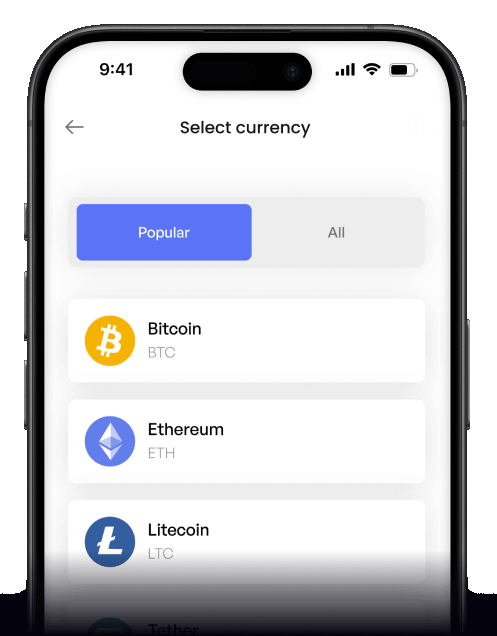
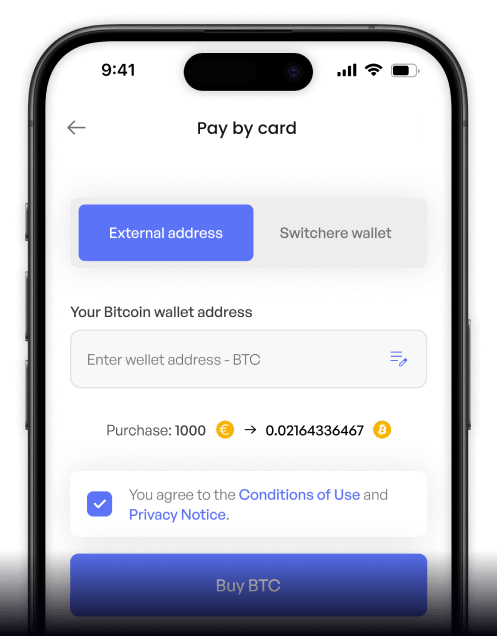
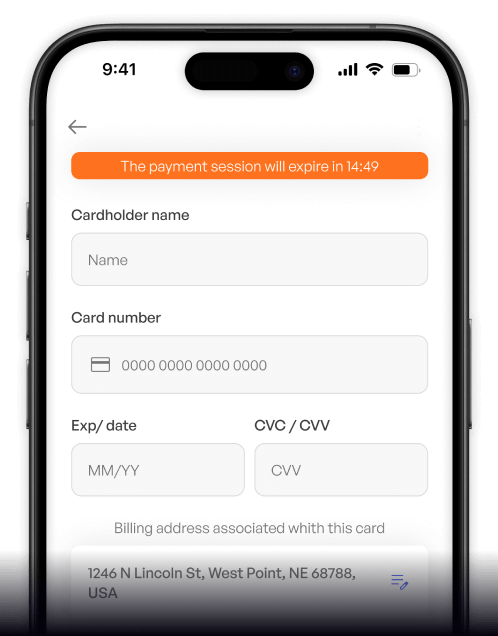
How to Buy LINK (ERC20)
 Step-by-step guidance
 Easy credit card payments
 Streamlined purchase process
 Web
Popular Coins for United Arab Emirates dirham (AED)


Other Coins for United Arab Emirates dirham (AED)


Frequently asked questions
-
What is the primary method for purchasing Chainlink (LINK) with UAE Dirham (AED)?
The most common method is using a centralized cryptocurrency exchange that offers a direct AED/LINK trading pair or supports AED deposits. This process typically involves creating an account, completing KYC/AML compliance, funding your account with UAE Dirham via bank transfer or debit card, and then executing a digital asset purchase on the exchange's order book. This serves as a primary fiat on-ramp for acquiring LINK in the UAE. -
Why is Chainlink's decentralized oracle network relevant for smart contracts when buying with AED?
Acquiring LINK with AED gives you access to the fuel for Chainlink's decentralized oracle network. This network is crucial because it allows smart contracts on various blockchains to securely connect to real-world data and off-chain computation. For developers in the UAE's growing tech hub, this enables the creation of hybrid smart contracts for complex applications in DeFi, insurance, and supply chain, directly linking on-chain logic with external data feeds. -
What are the common fees associated with an AED to LINK transaction?
When converting AED to LINK, expect several potential fees. First, a deposit fee for funding your exchange account with AED, which varies by method (bank transfers are often cheaper than cards). Second, a trading fee, typically a small percentage of the transaction value, charged by the exchange for executing the trade. Finally, a withdrawal fee may apply if you move your LINK from the exchange to a secure, private digital wallet. Always check the fee schedule of your chosen cryptocurrency exchange. -
How does Dubai's virtual asset regulation impact buying LINK with AED?
Dubai's progressive virtual asset regulation, overseen by the Virtual Assets Regulatory Authority (VARA), provides a structured environment for AED to LINK transactions. It mandates that cryptocurrency exchanges operating in the region adhere to strict KYC/AML and consumer protection standards. This regulatory clarity fosters a safer trading environment, encouraging secure fiat on-ramps and potentially increasing liquidity for pairs like AED/LINK on licensed platforms. -
After purchasing LINK with AED, what is the best practice for storing the digital asset?
For secure trading and long-term holding, it is highly recommended to move your LINK tokens from the exchange to a personal digital wallet where you control the private keys. Options include software wallets for convenience or hardware wallets (cold storage) for maximum security against online threats. This practice of self-custody ensures that you have full, sovereign control over your Chainlink assets, independent of any third-party custodian.

Buy on the go
Anywhere. Anytime.
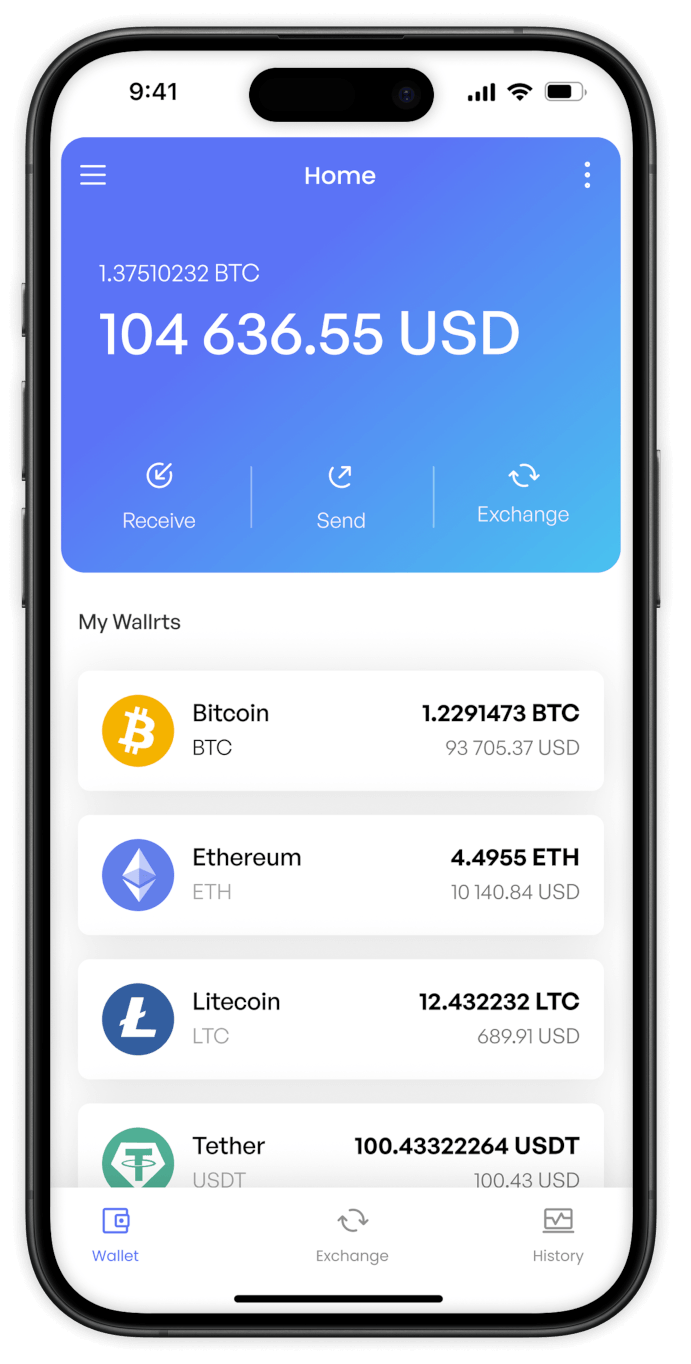
Buy crypto with your credit card from anywhere. Live rates, transparent fees, and 3D Secure on every order - the full Switchere card-buy experience in your pocket.



Scan to download the app iOS and Android