

Convert
United Arab Emirates dirham (AED) to Litecoin (LTC) Instantly
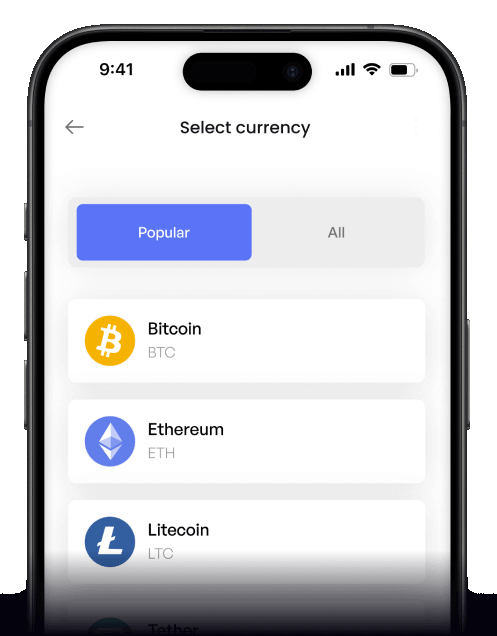
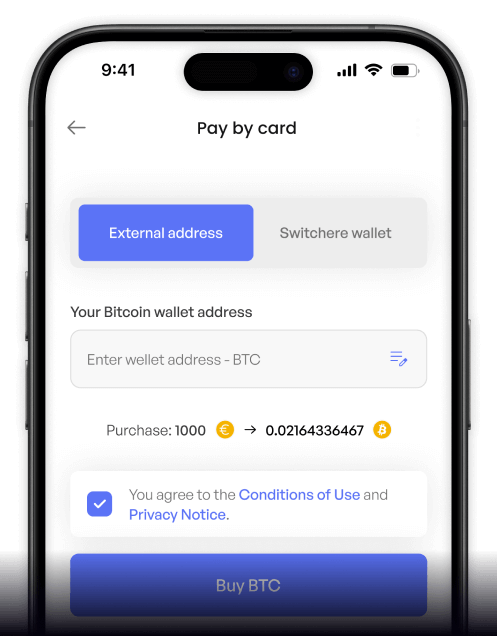
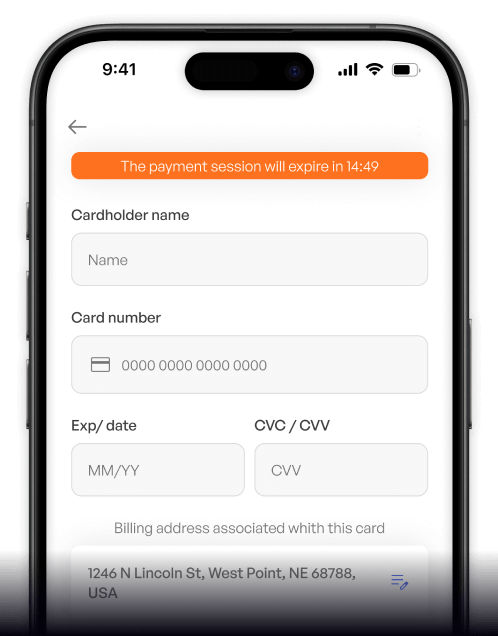
Purchase Litecoin (LTC) with United Arab Emirates dirham (AED) easily at Switchere and benefit from fast, secure transactions.
About
Litecoin (LTC)
Litecoin (LTC) stands as one of the earliest and most established cryptocurrencies, often referred to as the 'silver to Bitcoin's gold.' Launched in 2011 as a fork of the Bitcoin Core client, its primary purpose was to create a faster and lighter version of Bitcoin, suitable for everyday transactions. This digital asset operates on a decentralized network utilizing a Proof-of-Work (PoW) consensus mechanism, but distinguishes itself with the Scrypt hashing algorithm. This choice was initially aimed at allowing CPU and GPU miners to participate more effectively, though specialized Scrypt ASICs have since become dominant for mining this cryptographic security-focused coin.
Key distinguishing features of Litecoin include its faster block generation time, approximately 2.5 minutes compared to Bitcoin's 10 minutes, leading to quicker transaction confirmations. The LTC token serves as the native currency for paying transaction fees on its blockchain technology and is widely accepted as a medium of exchange and a store of value. Litecoin has historically been a pioneer in adopting new technologies, such as Segregated Witness (SegWit) which improves transaction throughput, and more recently, the MimbleWimble Extension Blocks (MWEB) upgrade, offering users opt-in privacy and enhanced fungibility for on-chain transactions. Its longevity and consistent development have solidified Litecoin's position as a significant and reliable peer-to-peer digital currency within the broader Web3 infrastructure and digital ledger ecosystem.
How to Buy Litecoin (LTC)
Popular Coins for United Arab Emirates dirham (AED)
Other Coins for United Arab Emirates dirham (AED)
Frequently asked questions
-
What are the common methods for purchasing Litecoin (LTC) with United Arab Emirates Dirham (AED)?
To purchase LTC with AED, you typically use a regulated cryptocurrency exchange that operates in the UAE. The primary methods include direct bank transfers from a UAE-based bank account, debit card purchases, and sometimes credit card payments. These platforms act as a fiat on-ramp, requiring users to complete KYC/AML compliance checks before they can deposit AED and place an order for this digital asset on the LTC/AED order book. -
Technically, how does Litecoin's Scrypt algorithm benefit AED traders compared to Bitcoin's SHA-256?
Litecoin utilizes the Scrypt proof-of-work algorithm, which is more memory-intensive than Bitcoin's SHA-256. Historically, this aimed to resist specialized ASIC mining hardware, promoting a more decentralized mining network. For an AED trader, this foundational difference contributes to Litecoin's faster block generation time of approximately 2.5 minutes versus Bitcoin's 10 minutes. This results in quicker transaction confirmations, which can be advantageous for arbitrage and faster settlement when moving LTC from an exchange to a secure digital wallet. -
What are the security best practices for storing Litecoin (LTC) after a direct purchase with AED?
After acquiring LTC via an AED fiat gateway, it is critical to transfer the coins off the exchange into a personal digital wallet where you control the private keys. For maximum security, a hardware wallet (cold storage) is recommended as it keeps your keys offline, away from potential online threats. For smaller amounts, a non-custodial software wallet can be used. Always back up your seed phrase securely and never share it. Avoid leaving significant balances on exchanges to mitigate counterparty risk. -
What kind of fees should I expect when trading the AED/LTC pair on a crypto platform?
Trading AED for LTC involves several potential fees. First, there's a deposit fee for funding your account with AED, which varies depending on the method (bank transfers are often cheaper than card payments). Second, the cryptocurrency exchange will charge a trading fee, typically a small percentage of the transaction value, which can differ for market 'makers' and 'takers'. Finally, when you withdraw your LTC to a private wallet, you will pay a network fee, which is a small amount of LTC required to process the blockchain transaction. -
Can I use Litecoin's MimbleWimble (MWEB) feature for transactions after an AED purchase?
Yes. Once you have purchased LTC with AED and withdrawn it to a personal, MWEB-compatible digital wallet, you can utilize the MimbleWimble Extension Block feature. MWEB enhances fungibility and privacy by enabling confidential transactions. The origin of the funds (i.e., purchased with AED) does not impact your ability to use core protocol features like MWEB, provided your wallet software supports it. However, be aware that some exchanges may not support direct deposits from MWEB addresses.