Convert
AED to AAVE Instantly
United Arab Emirates dirham to Aave (ERC20) at the real-time exchange rate


Purchase AAVE (ERC20) with United Arab Emirates dirham (AED) easily at Switchere and benefit from fast, secure transactions.
About
AAVE (ERC20)
Tracking the AAVE to AED rate is essential for UAE residents looking to participate in decentralized finance. As the governance token of a leading DeFi lending protocol, Aave's value fluctuates based on market liquidity and platform adoption. Meanwhile, because the Emirati Dirham is pegged to the US Dollar, the exchange rate primarily reflects AAVE's market volatility against the dollar rather than domestic currency fluctuations. Utilizing a reliable AED to AAVE converter helps investors gauge the exact cost of entering this decentralized ecosystem directly from their local fiat currency.
To buy AAVE with AED, users typically rely on regulated fiat on-ramp platforms operating within the Emirates. Local bank transfers, credit cards, and debit cards are standard payment methods, all requiring strict adherence to regional KYC and AML compliance. Once the transaction is finalized, the purchased tokens must be routed to a secure wallet. Since AAVE operates heavily as an ERC-20 token on the Ethereum network, buyers need to factor in blockchain gas fees and standard confirmation times. Understanding these technical dynamics ensures a highly efficient transition from traditional Emirati banking to borderless Web3 lending markets.

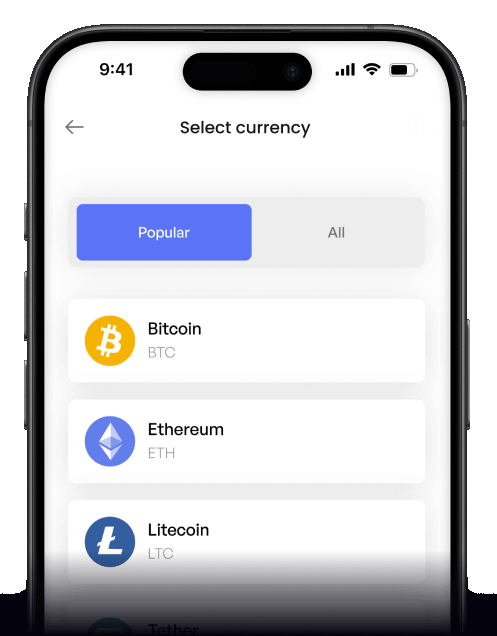
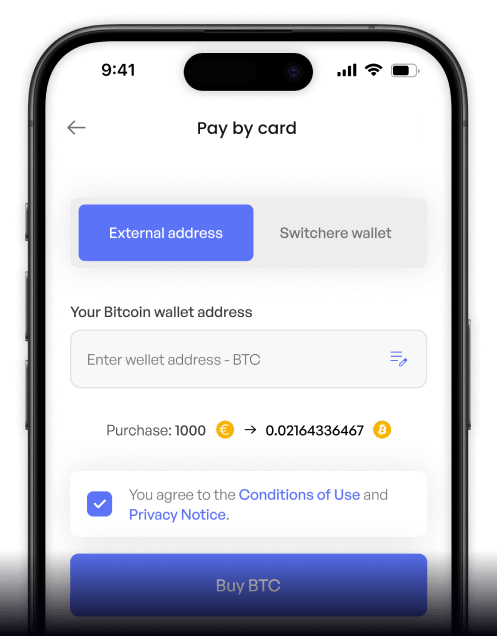
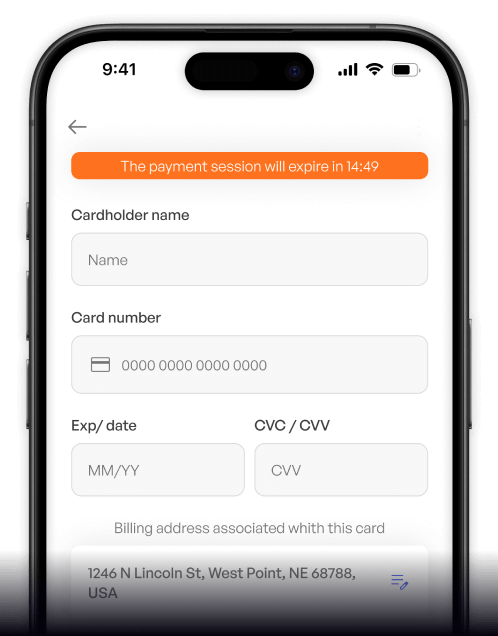
How to Buy AAVE (ERC20)
 Step-by-step guidance
 Easy credit card payments
 Streamlined purchase process
 Web
Popular Coins for United Arab Emirates dirham (AED)


Other Coins for United Arab Emirates dirham (AED)


Frequently asked questions
-
What is the best way to convert AED to AAVE?
To convert UAE Dirham (AED) to AAVE, you should use a regulated cryptocurrency exchange that serves the UAE market. These platforms act as a fiat on-ramp, allowing you to make a digital asset purchase using local payment methods like bank transfers. After completing the mandatory KYC/AML compliance checks, you can deposit AED, place an order on the AED/AAVE order book, and execute the trade. Always ensure the platform is compliant with local regulations, such as those set by VARA or ADGM. -
What is the core function of the AAVE token within its DeFi protocol?
The AAVE token is fundamental to the Aave Protocol, a decentralized liquidity market. Its primary functions are governance and security. AAVE holders can participate in Aave Governance to vote on proposals and changes to market risk parameters. Additionally, users can stake AAVE in the protocol's 'Safety Module' to act as a backstop in case of a shortfall event, earning rewards for helping secure the lending and borrowing platform. -
How do aTokens work within the Aave lending pools?
When you deposit a crypto asset into an Aave lending pool, you receive a corresponding amount of aTokens, which are interest-bearing tokens. For example, depositing DAI will mint aDAI. These aTokens are pegged 1:1 to the value of the underlying asset you deposited. They accrue interest in real-time directly in your digital wallet, representing your claim on the deposited assets and the variable interest earned from borrowers on the Aave Protocol. -
What are the security best practices for handling a new AED to AAVE transaction?
For secure trading of AED to AAVE, first use a reputable fiat gateway with strong regulatory compliance. After purchasing your AAVE, it is critical to transfer it from the exchange to a personal, non-custodial digital wallet where you control the private keys. This minimizes risk from exchange-related hacks. Always enable two-factor authentication (2FA) on your exchange account and be wary of phishing scams. Never share your wallet's private keys or seed phrase. -
Why is the AED/AAVE pair significant for accessing DeFi from the UAE?
The AED/AAVE pairing provides a direct fiat gateway for investors in the United Arab Emirates to enter one of the foundational DeFi protocols. It allows for the direct conversion of UAE Dirham into a token that grants access to decentralized lending, borrowing, and governance participation. This bypasses the need for intermediate blockchain transactions (e.g., AED to BTC, then BTC to AAVE), potentially reducing fees and simplifying entry into the broader DeFi ecosystem built on Ethereum.

Buy on the go
Anywhere. Anytime.
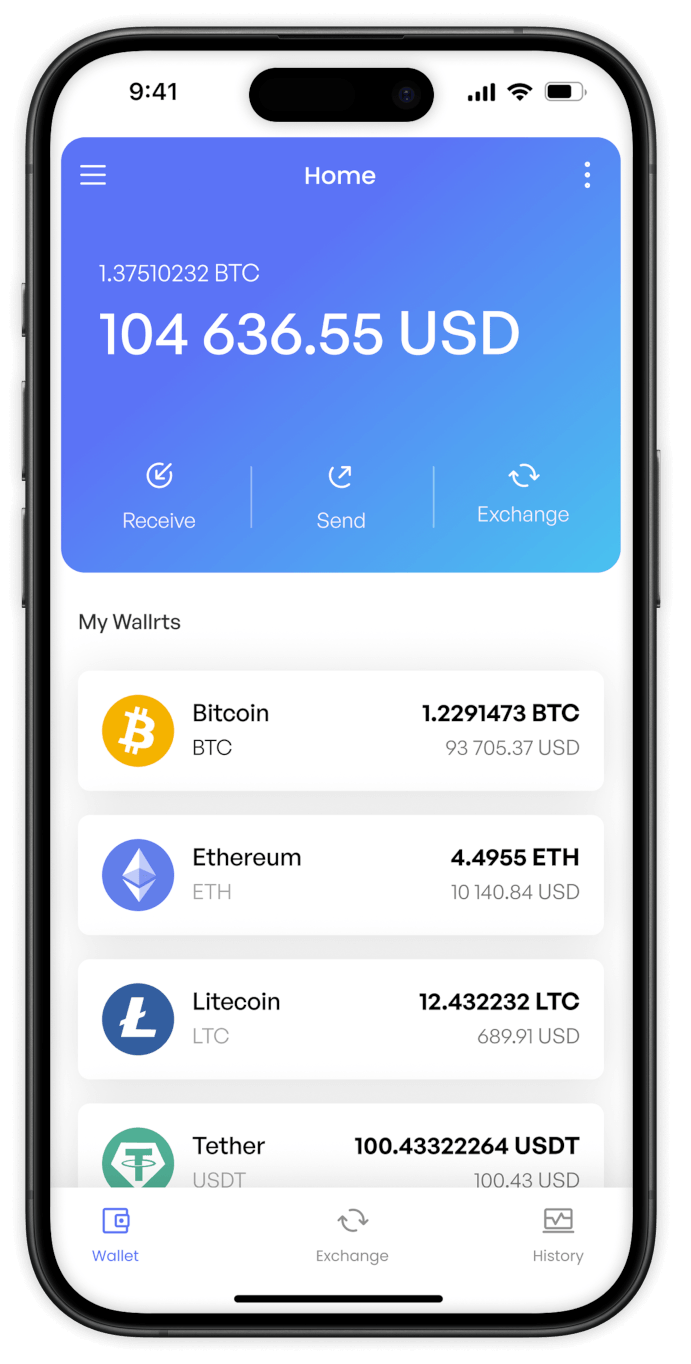
Buy crypto with your credit card from anywhere. Live rates, transparent fees, and 3D Secure on every order - the full Switchere card-buy experience in your pocket.



Scan to download the app iOS and Android