


Convert
United Arab Emirates dirham (AED) to Polkadot (DOT) Instantly


Purchase Polkadot (DOT) with United Arab Emirates dirham (AED) easily at Switchere and benefit from fast, secure transactions.
About
Polkadot (DOT)
Polkadot (DOT) emerges as a next-generation blockchain protocol, engineered to facilitate unprecedented cross-chain communication and interoperability within a scalable, secure, multi-chain architecture. Its primary purpose is to enable different blockchains, known as parachains, to exchange information and transactions trustlessly. This addresses the significant challenge of blockchain siloing, where individual networks operate in isolation. Polkadot's core technology revolves around a central Relay Chain, which provides shared security and consensus to connected parachains. These parachains can be customized for specific use cases, built using the flexible Substrate framework, fostering a diverse ecosystem of specialized chains.
The native DOT token plays several crucial roles within this digital asset ecosystem. It is utilized for network governance, allowing holders to participate in decision-making regarding protocol upgrades and treasury allocations. DOT is also essential for staking within Polkadot's Nominated Proof-of-Stake (NPoS) consensus mechanism, where nominators back validators to secure the network and earn rewards. Furthermore, DOT tokens are bonded by projects to lease parachain slots through an auction mechanism, enabling them to connect to the Relay Chain and benefit from its pooled security and interoperability features. This tokenomics model ensures active participation and alignment with the network's long-term health, positioning Polkadot as a foundational Web3 infrastructure for a truly interconnected digital ledger system.

How to Buy Polkadot (DOT)
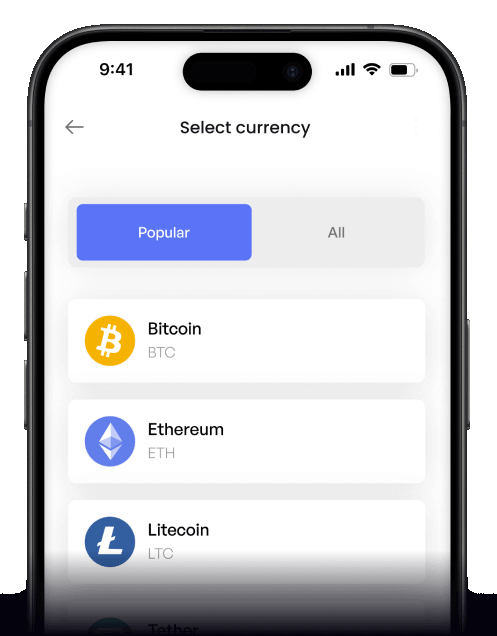
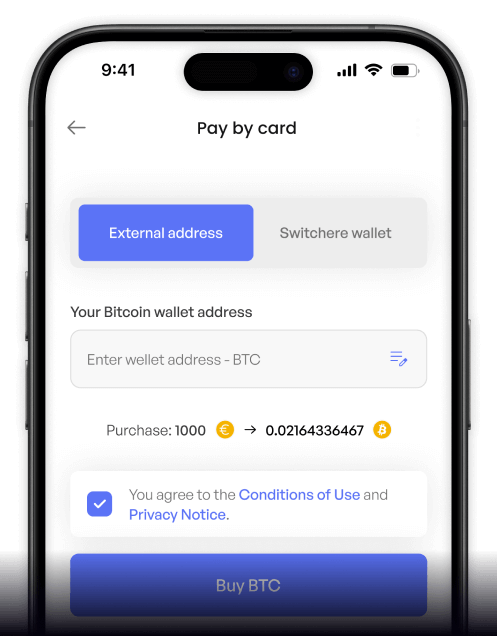
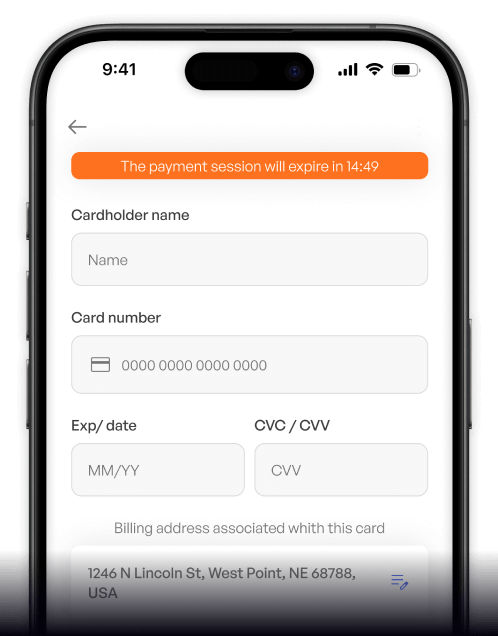
 Step-by-step guidance
 Easy credit card payments
 Streamlined purchase process
 Web
Web
Popular Coins for United Arab Emirates dirham (AED)





Other Coins for United Arab Emirates dirham (AED)





Frequently asked questions
-
What is the most direct way to buy Polkadot (DOT) with UAE Dirham (AED)?
The most direct method is using a regulated cryptocurrency exchange that offers an AED/DOT trading pair or a direct fiat on-ramp. These platforms, often licensed by UAE's VARA or ADGM, allow you to deposit AED via local bank transfer or debit card. After completing KYC/AML compliance checks, you can purchase DOT directly, providing a seamless entry into Polkadot's cross-chain interoperability ecosystem. -
What are the core technical functions of Polkadot (DOT) I should know before an AED purchase?
Polkadot is a multi-chain platform enabling cross-chain interoperability. Key components include the Relay Chain, which provides shared security to the network, and parachains, which are sovereign blockchains that can have their own tokens and governance. The DOT token is crucial for staking within its Nominated Proof-of-Stake (NPoS) consensus, participating in on-chain governance, and bonding to secure a parachain slot. Understanding this Substrate-based framework is vital. -
Are there typical fees associated with AED to DOT blockchain transactions?
Yes, there are two main types of fees. First, the cryptocurrency exchange will charge a trading fee for executing the AED/DOT order, and potentially a deposit fee for your AED bank transfer. Second, when you move your DOT from the exchange to a private digital wallet, you will pay a Polkadot network transaction fee. This fee is dynamic and used to process actions on the Relay Chain, ensuring the security of the blockchain transaction. -
How does DOT staking work after acquiring it with AED?
After purchasing DOT, you can participate in Polkadot's Nominated Proof-of-Stake (NPoS) system. This allows you to 'stake' your DOT by nominating validators who are responsible for securing the Relay Chain. In return for helping secure the network, both validators and nominators receive staking rewards. This process is integral to Polkadot's shared security model and can be managed through a compatible digital wallet. -
What are the security best practices when converting AED to DOT and storing it?
Always use a reputable, regulated exchange for the initial AED to DOT purchase and enable Two-Factor Authentication (2FA) on your account. For long-term storage of your digital asset, it is highly recommended to withdraw your DOT from the exchange to a non-custodial wallet, preferably a hardware wallet. This gives you full control over your private keys, protecting your holdings from exchange-related security risks.

Buy on the go
Anywhere. Anytime.
Buy crypto with your credit card from anywhere. Live rates, transparent fees, and 3D Secure on every order - the full Switchere card-buy experience in your pocket.



Scan to download the app iOS and Android

