Convert
United Arab Emirates dirham (AED) to Injective Protocol (INJ) Instantly
Purchase Injective Protocol (INJ) with United Arab Emirates dirham (AED) easily at Switchere and benefit from fast, secure transactions.
About
Injective Protocol (INJ)
Injective Protocol (INJ) is a specialized Layer-1 blockchain built to power the next generation of decentralized finance (DeFi) applications. Engineered using the Cosmos SDK and a Tendermint-based Proof-of-Stake (PoS) consensus mechanism, Injective offers a highly interoperable, scalable, and MEV-resistant infrastructure optimized for financial primitives. Its core distinguishing feature is the industry's first fully on-chain order book module, which allows developers to build sophisticated decentralized exchanges (DEXs), prediction markets, and derivatives platforms with unparalleled speed and efficiency. This architecture provides the user experience of centralized finance within a completely decentralized network.
As a key component of the Cosmos ecosystem, Injective leverages the Inter-Blockchain Communication (IBC) protocol, enabling seamless cross-chain transactions and asset transfers with other IBC-enabled blockchains. The native utility token, INJ, is central to the protocol's operation. It is used for governance, allowing holders to vote on network upgrades, as a utility token for paying transaction fees, and for staking to secure the network. A unique tokenomic feature is the weekly token burn auction, where 60% of exchange fees are auctioned off and subsequently burned, creating a deflationary mechanism for the digital asset.
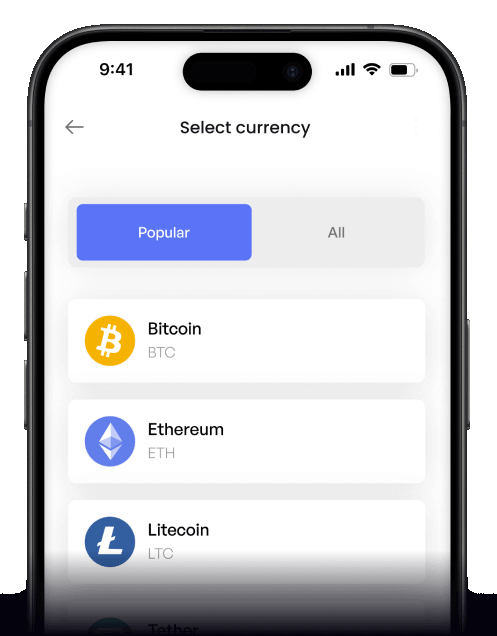
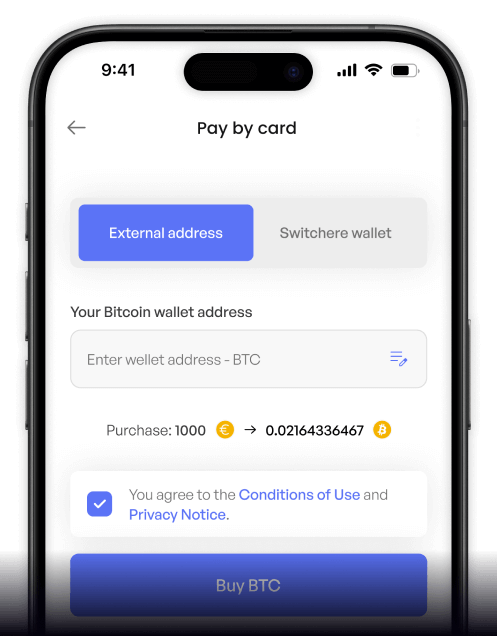
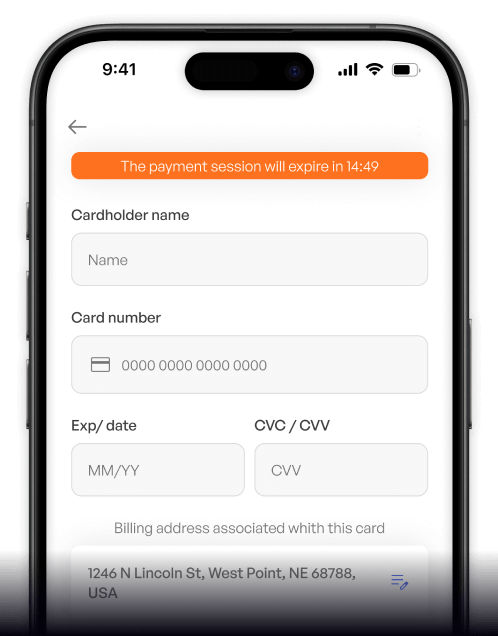
How to Buy Injective Protocol (INJ)
Popular Coins for United Arab Emirates dirham (AED)
Other Coins for United Arab Emirates dirham (AED)
Frequently asked questions
-
What are the common methods for buying Injective (INJ) with UAE Dirham (AED)?
To buy the digital asset Injective (INJ) with AED, the most common method is using a regulated cryptocurrency exchange that offers a direct AED fiat on-ramp. Users typically need to complete KYC/AML compliance, link a UAE-based bank account for AED deposits via bank transfer, and then use the platform's order book to trade the AED/INJ pair. This process provides a secure gateway to Injective's financial dApps ecosystem built on the Cosmos SDK. -
What makes Injective's decentralized order book model unique when trading from AED?
Unlike typical AMM-based DEXs, Injective features a fully on-chain decentralized order book. For traders converting AED to INJ, this provides a familiar CEX-like experience with limit and market orders, offering greater control over execution price. Its Tendermint-based consensus and Frequent Batch Auctioning (FBA) model also help mitigate front-running, a common issue on other blockchains, ensuring a fairer trading environment for all participants. -
After buying INJ with AED, can I participate in staking?
Yes. Once you have acquired INJ tokens via an AED transaction, you can transfer them from the exchange to a compatible digital wallet, such as Keplr or MetaMask. From your wallet, you can delegate your INJ to a network validator. Staking INJ contributes to the security of the Injective network, which uses a Proof-of-Stake consensus mechanism, and allows you to earn staking rewards in return. -
What are the typical fees when purchasing Injective Protocol with UAE Dirham?
When executing an AED to INJ transaction, several fees may apply. First, there could be a deposit fee for funding your exchange account with AED, although local bank transfers are often low-cost. Second, the exchange will charge a trading fee, typically a small percentage of the transaction value based on a maker-taker model. Finally, if you move your INJ to an external digital wallet, a blockchain transaction fee (network fee) will be incurred to process the withdrawal. -
How does Injective's interoperability with Cosmos and Ethereum benefit AED investors?
Injective's native interoperability is a key feature for those acquiring it with AED. Built with the Cosmos SDK, it connects seamlessly with other IBC-enabled blockchains, allowing for fluid asset transfers. Furthermore, its connection to Ethereum allows access to the vast ERC-20 token ecosystem. For an AED investor, this means their INJ holding is not siloed but is a gateway to interacting with assets and DeFi applications across two of the largest blockchain ecosystems.