


Convert
Indian Rupee (INR) to USDT (Polygon) Instantly


Purchase USDT (Polygon) with Indian Rupee (INR) easily at Switchere and benefit from fast, secure transactions.
About
USDT (Polygon)
Tether (USDT) on the Polygon network represents a significant deployment of the world's most widely used stablecoin, engineered to provide price stability by maintaining a 1:1 peg with the US dollar. Its core purpose is to offer a digital asset that mirrors traditional fiat currency, thereby mitigating volatility and serving as a reliable medium of exchange and store of value within the broader blockchain technology space. USDT facilitates efficient value transfer and acts as a foundational building block for numerous DeFi applications, bridging traditional finance with decentralized networks.
Operating on Polygon, an Ethereum Layer 2 scaling solution, USDT benefits immensely from Polygon's Proof-of-Stake (PoS) consensus mechanism and its EVM-compatible architecture. This integration translates to substantially reduced transaction costs (gas fees) and significantly faster settlement times compared to direct Ethereum mainnet operations. The Polygon PoS chain offers a robust platform for USDT, enhancing its utility token function for high-frequency trading, micro-transactions, and participation in Polygon’s burgeoning DeFi ecosystem. As a result, USDT on Polygon is pivotal for users seeking efficient on-chain stablecoin operations, supporting activities like liquidity provision, yield farming, and powering diverse dApps, establishing it as a cornerstone digital ledger asset within this scalable Web3 infrastructure, all secured by robust cryptographic security.

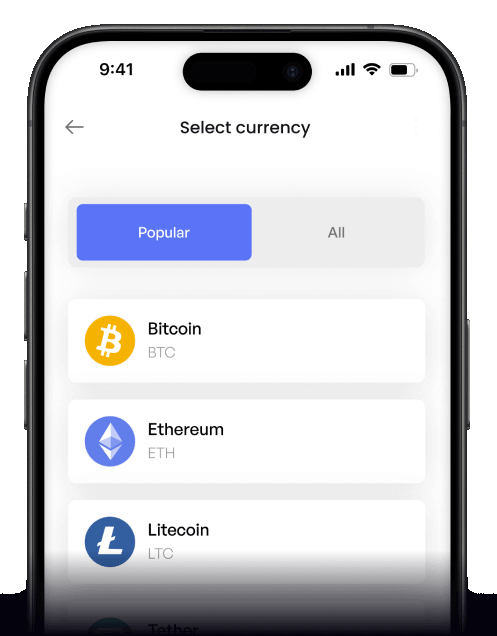
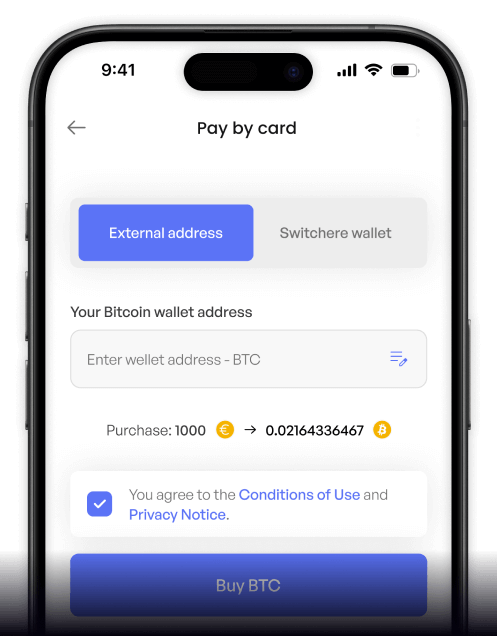
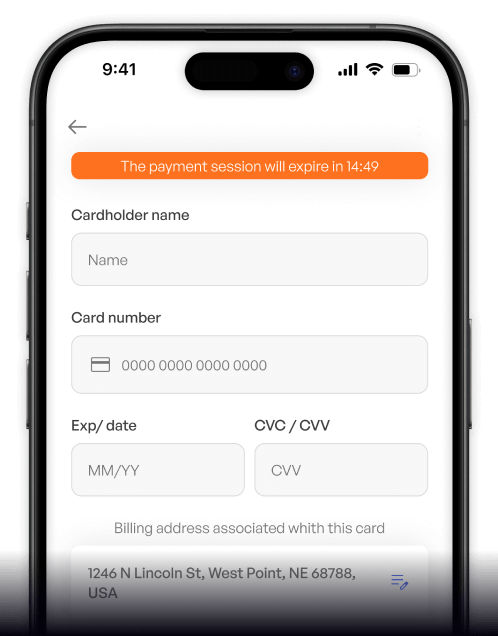
How to Buy USDT (Polygon)
 Step-by-step guidance
 Easy credit card payments
 Streamlined purchase process
 Web
Web
Popular Coins for Indian Rupee (INR)




Other Coins for Indian Rupee (INR)





Frequently asked questions
-
What is the most efficient way to buy USDT on the Polygon network using INR?
The most efficient method for purchasing USDT (Polygon) with Indian Rupees (INR) is typically through compliant fiat on-ramps or Peer-to-Peer (P2P) platforms on major cryptocurrency exchanges. Users can fund their accounts using UPI, IMPS, or NEFT transfers. By selecting the Polygon (MATIC) network during the withdrawal process, traders benefit from low gas fees and fast transaction finality compared to the Ethereum mainnet. -
Are there specific KYC or tax requirements when trading INR for USDT in India?
Yes, trading INR for any digital asset, including USDT, requires strict KYC/AML compliance on FIU-registered exchanges. Furthermore, Indian regulations mandate a 1% Tax Deducted at Source (TDS) on crypto transactions and a 30% tax on digital asset gains. Always ensure your chosen fiat gateway complies with local regulatory frameworks before initiating an INR deposit. -
Why choose USDT on Polygon over other networks when depositing INR?
Purchasing USDT native to the Polygon PoS chain is highly cost-effective. While bridging stablecoins across Layer-1 networks can incur high network costs, Polygon offers fractional cent gas fees and rapid block times. This makes it an ideal fiat-to-crypto gateway for users looking to quickly deploy their INR capital into decentralized finance (DeFi) protocols or Web3 applications without heavy overhead. -
Can I directly withdraw USDT (Polygon) to my self-custody wallet after buying with INR?
Absolutely. Once your INR to USDT order is executed on the exchange's order book, you can withdraw the tokens directly to a self-custody digital wallet like MetaMask or Trust Wallet. Ensure you select the 'Polygon' network and have the corresponding RPC configured in your wallet. The ERC-20 compatible standard of Polygon ensures seamless integration with Ethereum-based tools. -
How does P2P trading work for the INR/USDT pair?
In a Peer-to-Peer (P2P) marketplace, buyers and sellers trade directly. You transfer INR directly to the seller's bank account via UPI or IMPS, and the exchange acts as an escrow service for the USDT. Once the seller confirms receipt of the fiat currency, the Tether is released into your spot wallet. From there, it can be withdrawn via the Polygon network.

Buy on the go
Anywhere. Anytime.
Buy crypto with your credit card from anywhere. Live rates, transparent fees, and 3D Secure on every order - the full Switchere card-buy experience in your pocket.



Scan to download the app iOS and Android

