


Convert
Indian Rupee (INR) to ssv.network (SSV) Instantly


Purchase ssv.network (SSV) with Indian Rupee (INR) easily at Switchere and benefit from fast, secure transactions.
About
ssv.network (SSV)
ssv.network (SSV) is a fully decentralized, open-source protocol designed to enhance the security and resilience of Ethereum staking. It achieves this through Distributed Validator Technology (DVT), a groundbreaking cryptographic framework that splits an Ethereum validator key into multiple KeyShares. These shares are then distributed across a decentralized network of independent node operators. This innovative approach allows multiple nodes to jointly operate a single validator, significantly reducing slashing risks and maximizing uptime.
The native SSV token functions as the core utility token and governance token powering this vital Web3 infrastructure. Within the ssv.network ecosystem, stakers utilize the digital asset to compensate node operators for managing their KeyShares and executing consensus duties. Additionally, SSV facilitates on-chain governance, enabling token holders to vote on protocol upgrades, fee structures, and treasury allocations.
By eliminating single points of failure, ssv.network provides a robust, non-custodial, and fault-tolerant infrastructure. It acts as a foundational layer for liquid staking protocols, institutional stakers, and solo operators within the Proof-of-Stake (PoS) landscape. As Ethereum continues to scale, ssv.network cements its position as a critical player in securing the decentralized digital ledger and fostering a more resilient consensus mechanism for the broader decentralized finance (DeFi) ecosystem.

How to Buy ssv.network (SSV)
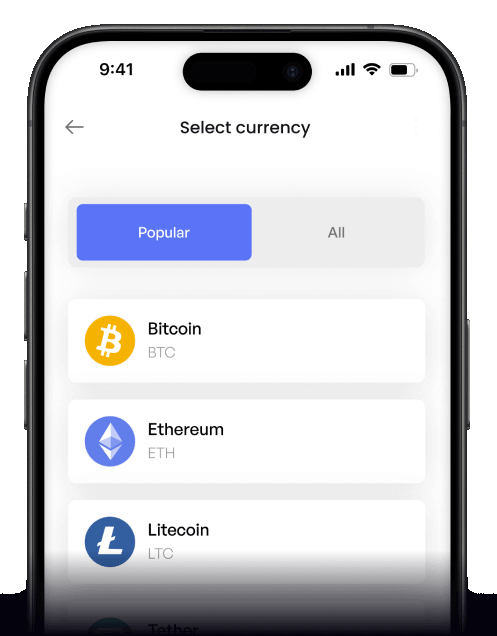
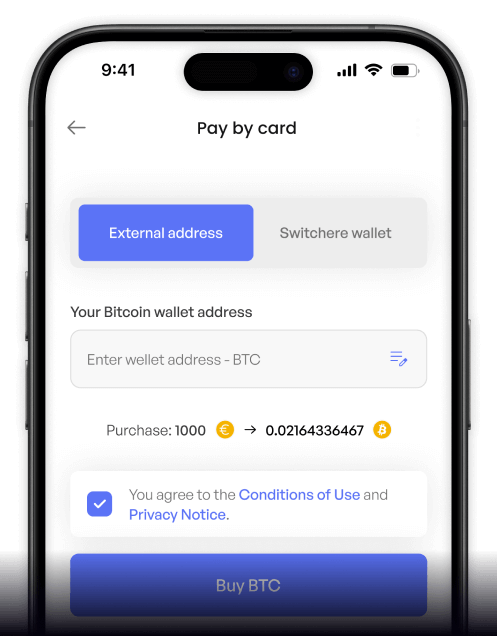
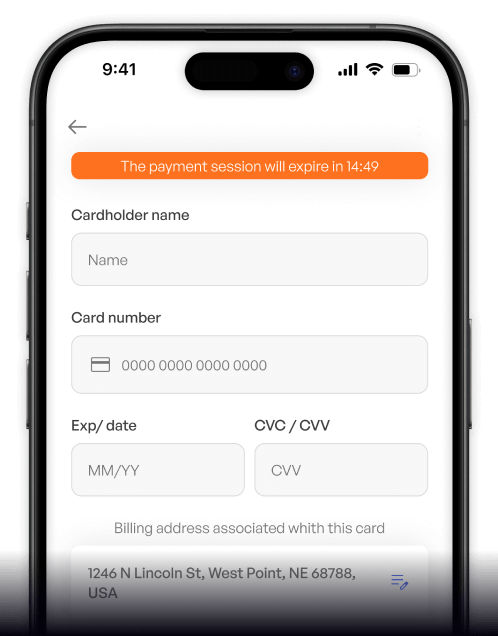
 Step-by-step guidance
 Easy credit card payments
 Streamlined purchase process
 Web
Web
Popular Coins for Indian Rupee (INR)




Other Coins for Indian Rupee (INR)





Frequently asked questions
-
How can I securely buy ssv.network (SSV) using Indian Rupees (INR) via a fiat on-ramp?
To purchase SSV tokens with INR, you can use a regulated cryptocurrency exchange offering an INR fiat gateway. Typically, you deposit Indian Rupees using local payment methods like UPI, IMPS, or NEFT. Once your fiat balance is funded and KYC/AML compliance is verified, you can execute a digital asset purchase on the INR/SSV trading pair, accessing the governance token of the Secret Shared Validator network. -
What is the primary utility of acquiring SSV tokens, and how does it relate to Distributed Validator Technology (DVT)?
Purchasing the SSV token provides access to the ssv.network, a decentralized infrastructure leveraging Distributed Validator Technology (DVT) for Ethereum staking. SSV acts as the native payment and governance token. Stakers use SSV to compensate node operators for securely managing their fragmented validator keys, ensuring high fault tolerance and active non-custodial staking within the Ethereum ecosystem. -
Which INR payment methods offer the fastest liquidity when funding my digital wallet to trade the INR/SSV pair?
For rapid liquidity when preparing to trade the INR to SSV order book, UPI (Unified Payments Interface) and IMPS (Immediate Payment Service) are highly recommended. These methods provide near-instant fiat deposits on most Indian crypto trading platforms. NEFT and RTGS are also viable for larger block trades but may involve standard banking hours processing times before you can acquire the DVT-focused asset. -
What are the security best practices for storing SSV after a successful INR to crypto transaction?
After executing an INR to SSV trade on a cryptocurrency exchange, it is advisable to withdraw your digital assets to a secure, non-custodial digital wallet. Since SSV is an ERC-20 token integral to secure Ethereum node operation, using a hardware wallet provides offline cold storage, protecting your validator network assets from potential online exchange vulnerabilities and ensuring absolute control over your private keys. -
Are there specific fees or local regulations to consider when executing an INR to ssv.network (SSV) transaction?
Yes, when utilizing an INR fiat gateway, you will encounter exchange trading fees and potential deposit charges depending on the platform. Furthermore, in India, digital asset purchases and transfers are subject to Virtual Digital Asset (VDA) regulations, including a 1 percent TDS (Tax Deducted at Source) on the transaction value, and potential capital gains tax on profits. Always ensure your chosen secure trading venue is FIU-compliant.

Buy on the go
Anywhere. Anytime.
Buy crypto with your credit card from anywhere. Live rates, transparent fees, and 3D Secure on every order - the full Switchere card-buy experience in your pocket.



Scan to download the app iOS and Android

